
Speak To An Expert
Get clear, personalised advice for your situation.
Jot down a few questions to make the most of your conversation.
Understanding Nettle Rash and Its Duration
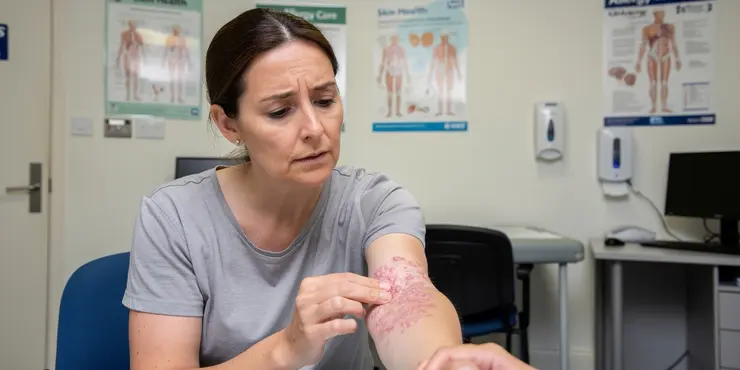
Nettle rash, also known as urticaria or hives, is a common skin condition characterized by itchy, raised welts. It often appears suddenly and can be triggered by various factors, including contact with nettles, certain foods, medications, stress, or environmental factors. Understanding the duration and management of nettle rash is essential for those experiencing this uncomfortable condition.
Typical Duration
Acute nettle rash typically lasts for a short period. Most cases resolve within 24 to 48 hours, although some may persist for up to a week. Each individual welt generally fades within a day but can be replaced by new ones, extending the overall duration. The severity and duration can vary based on the underlying cause and individual skin sensitivity.
Factors Influencing Duration
Several factors can influence how long nettle rash lasts: - **Cause**: Contact with nettles usually results in a short-lived rash, whereas allergic reactions might persist longer. - **Severity**: More intense allergic reactions or ongoing exposure to the allergen can prolong symptoms. - **Treatment**: Effective treatment, such as antihistamines, can significantly reduce symptom duration and severity.
When to Seek Medical Advice
While most nettle rash cases are benign and resolve with minimal intervention, some scenarios warrant medical advice: - **Chronic Symptoms**: If hives persist beyond six weeks, it may signify chronic urticaria requiring medical evaluation. - **Severe Reactions**: Difficulty breathing, swelling of the face or throat, or widespread rash necessitates immediate medical attention.
Conclusion
In most cases, nettle rash is a self-limiting condition resolving within a few days. Identifying and avoiding triggers can help prevent recurrence while over-the-counter treatments alleviate symptoms. Persistent or severe cases should be evaluated by a healthcare professional to rule out underlying conditions and ensure appropriate care.
Understanding Nettle Rash and How Long It Lasts
Nettle rash, also called hives, is a skin problem. It makes your skin itchy with raised bumps. It can happen quickly and might be caused by touching nettles, eating certain foods, taking some medicines, stress, or other things around you. Knowing how long nettle rash lasts and how to manage it is important if you have this itchy problem.
How Long Does It Usually Last?
Nettle rash often goes away fast. Most of the time, it lasts between 1 to 2 days. Sometimes, it might last up to a week. Each bump usually goes away in a day, but new ones can appear, which makes it last longer overall. How bad and how long it lasts depends on what caused it and how sensitive your skin is.
What Can Make It Last Longer?
Here are some things that can affect how long nettle rash stays: - **What Caused It**: Touching nettles usually makes it go away quickly, but allergies might make it last longer. - **How Severe It Is**: Strong allergies or being around the thing causing it for a long time can make it last longer. - **Treatment**: Medicines like antihistamines can make it go away faster and make it less itchy.
When to See a Doctor
Most of the time, nettle rash goes away without needing a doctor. But sometimes you should see a doctor: - **Lasts a Long Time**: If you have hives for more than six weeks, you should see a doctor. - **Serious Symptoms**: If you have trouble breathing, your face or throat swells up, or you have a rash all over, get help right away.
Conclusion
Usually, nettle rash goes away on its own in a few days. Finding out what causes it and staying away from these things can help stop it from coming back. Medicines from the store can help with the itch. If it doesn't go away or if it is very bad, see a doctor to make sure there is no other problem.
Frequently Asked Questions
Nettle rash, also known as urticaria or hives, usually lasts for a few hours to a couple of days.
In some cases, nettle rash can last up to six weeks, which is considered chronic urticaria. If it persists longer, a doctor's advice is recommended.
Nettle rash is often caused by an allergic reaction, stress, infections, or exposure to cold or heat.
No, nettle rash is not contagious and cannot be spread from person to person.
Symptoms include red, raised bumps or welts on the skin, itching, and sometimes a stinging sensation.
Antihistamine tablets can help relieve itching. Cool compresses and soothing lotions may also provide relief.
If the rash is persistent, severe, or accompanied by other symptoms like difficulty breathing, seek medical attention.
Applying a cold pack, taking an oatmeal bath, or using aloe vera gel may help soothe the skin.
Yes, stress can trigger or worsen urticaria, leading to a nettle rash.
Yes, some people may experience a rash after consuming foods they are allergic to, such as nuts, shellfish, or eggs.
Antihistamines such as cetirizine or loratadine can help reduce symptoms of nettle rash.
Yes, but it is always best to consult with a healthcare professional to ensure the appropriate dosage for children.
Yes, some people may experience recurrent episodes of nettle rash, especially if the underlying cause isn't identified or avoided.
In some individuals, sun exposure can trigger a type of nettle rash known as solar urticaria.
If OTC treatments are ineffective, consult with a doctor for further evaluation and a possible prescription treatment.
Nettle rash is also called urticaria or hives. It usually goes away in a few hours or a couple of days.
Sometimes, nettle rash can last a long time, up to six weeks. This is called chronic urticaria. If the rash doesn't go away after six weeks, you should talk to a doctor.
Nettle rash often happens because of allergies, feeling stressed, being sick, or being too cold or hot.
No, nettle rash does not spread from one person to another. You cannot catch it from someone else.
You might see red bumps on your skin. These bumps can be itchy and sometimes they sting.
Medicine tablets can help to stop itching. You can also use cold cloths or gentle creams to feel better.
If the rash does not go away, is very bad, or you have other signs like trouble breathing, go see a doctor.
To help your skin feel better, try these things:
- Put a cold pack on your skin.
- Take a bath with oatmeal in it.
- Use aloe vera gel on your skin.
Yes, stress can make your skin itchy and cause a nettle rash.
Yes, some people can get a rash when they eat foods they are allergic to. This can happen with nuts, shellfish, or eggs.
If you think you have a food allergy, talk to a doctor. They can help you find out what foods to avoid.
It might help to keep a diary of what you eat and any reactions you have. This can help you and your doctor understand your allergies better.
Medicines called antihistamines, like cetirizine or loratadine, can help make nettle rash better.
Yes, but it's a good idea to talk to a doctor or nurse to check how much is right for children.
Yes, some people might keep getting nettle rash. This can happen if they don't know what is causing it or if they keep coming into contact with the cause.
For some people, being in the sun can cause a kind of rash. This rash is called solar urticaria.
If the treatments you bought at the store don't work, talk to a doctor. They can check what's going on and might give you medicine you need a doctor's note for.

Ergsy Search Results
This website offers general information and is not a substitute for professional advice.
Always seek guidance from qualified professionals.
If you have any medical concerns or need urgent help, contact a healthcare professional or emergency services immediately.
Some of this content was generated with AI assistance. We've done our best to keep it accurate, helpful, and human-friendly.
- Ergsy carefully checks the information in the videos we provide here.
- Videos shown by Youtube after a video has completed, have NOT been reviewed by ERGSY.
- To view, click the arrow in centre of video.
- Most of the videos you find here will have subtitles and/or closed captions available.
- You may need to turn these on, and choose your preferred language.
- Go to the video you'd like to watch.
- If closed captions (CC) are available, settings will be visible on the bottom right of the video player.
- To turn on Captions, click settings.
- To turn off Captions, click settings again.