
Get Answers
Typical lifespan of an air source heat pump
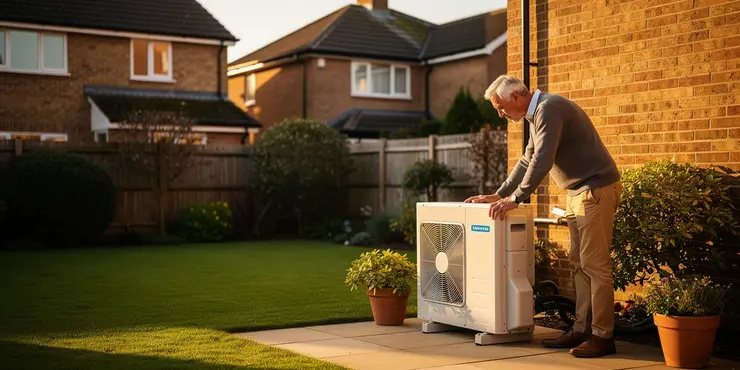
For most UK homeowners, an air source heat pump will typically last around 15 to 20 years. In some cases, a well-installed and well-maintained system can last even longer. Like any heating system, its lifespan depends on how heavily it is used and how well it is looked after.
The outdoor unit works hard throughout the year, especially in colder months. Because of this, the quality of the equipment and the standard of installation make a big difference. A properly sized system is more likely to run efficiently and avoid unnecessary wear.
What affects how long it lasts?
Installation quality is one of the biggest factors. If the heat pump is too large, too small, or poorly positioned, it may cycle on and off too often, which can shorten its life. A qualified installer will assess your home’s insulation, heat demand, and layout before fitting the system.
Regular servicing also matters. Annual checks help spot issues early, such as low refrigerant levels, blocked filters, or problems with controls and pumps. Small faults left untreated can cause bigger failures over time.
Weather and location can play a role too. In exposed areas, the outdoor unit may face more dirt, debris, or heavy frost. Keeping the unit clear and well protected helps it work more reliably for longer.
Signs your heat pump may be nearing the end
If your system is becoming noisier, less efficient, or slower to heat the home, it may be showing signs of age. You might also notice higher electricity bills without a clear reason. These changes do not always mean the unit needs replacing, but they are worth checking.
Frequent repairs are another warning sign. If call-outs are becoming more common or parts are difficult to source, it may be more cost-effective to replace the unit. In older systems, performance can also decline gradually rather than fail all at once.
How to make your heat pump last longer
Routine maintenance is the best way to extend lifespan. Arrange an annual service and keep the outdoor unit clean, with leaves, snow, and debris removed safely. Make sure airflow around the unit is not blocked by fencing, plants, or stored items.
Good home insulation can also help. If your property holds heat well, the heat pump does not need to work as hard. That usually means less strain on the system and better long-term reliability.
When replacement may be worth considering
Once a heat pump reaches around 15 years old, it is sensible to start planning ahead. Newer models are often more efficient and may offer better performance in colder weather. Replacing an ageing system before it fails can also help avoid disruption during winter.
For UK homeowners, the key is to think in terms of both age and condition. A heat pump that is well maintained may continue working effectively for many years. With the right care, it can remain a dependable part of a low-carbon home heating setup.
Frequently Asked Questions
The typical air source heat pump lifespan for homeowners is often about 15 to 20 years, though some systems last longer with good installation, regular maintenance, and appropriate sizing.
The air source heat pump lifespan for homeowners is affected by installation quality, climate, usage patterns, maintenance frequency, system sizing, and the quality of the equipment itself.
Homeowners can extend the air source heat pump lifespan for homeowners by scheduling regular professional maintenance, changing or cleaning filters, keeping the outdoor unit clear, and addressing repairs quickly.
Maintenance has a major impact on the air source heat pump lifespan for homeowners because clean components, proper refrigerant levels, and efficient airflow reduce wear and help prevent breakdowns.
Yes, climate can change the air source heat pump lifespan for homeowners. Systems in harsher climates may work harder and experience more wear, while moderate climates often place less strain on equipment.
Yes, poor installation can shorten the air source heat pump lifespan for homeowners by causing inefficiency, frequent cycling, refrigerant issues, and avoidable strain on key components.
Signs that the air source heat pump lifespan for homeowners may be nearing its end include rising energy bills, frequent repairs, uneven heating or cooling, unusual noises, and declining performance.
Homeowners should typically service the air source heat pump lifespan for homeowners at least once a year, and in some cases twice a year, to help keep the system reliable and efficient.
Air source heat pump warranties can give clues about expected durability, but they do not exactly equal the air source heat pump lifespan for homeowners. A warranty period is usually shorter than the system's total service life.
Higher usage can reduce the air source heat pump lifespan for homeowners because the system runs more often and experiences more wear, while moderate use may help components last longer.
Yes, outdoor unit placement can affect the air source heat pump lifespan for homeowners. A location with good airflow, protection from debris, and minimal exposure to damage can help the system last longer.
Clean filters support the air source heat pump lifespan for homeowners by improving airflow, reducing strain on the blower, and helping the system operate more efficiently.
Yes, oversizing or undersizing can affect the air source heat pump lifespan for homeowners. An improperly sized system may short cycle, run excessively, or perform inefficiently, all of which can shorten its life.
Common repairs during the air source heat pump lifespan for homeowners can include fan motor replacement, refrigerant leak repair, control board issues, sensor replacement, and compressor-related service.
Newer models may improve the air source heat pump lifespan for homeowners because they can be more efficient and better designed, but longevity still depends heavily on maintenance and installation quality.
Thermostat behavior can affect the air source heat pump lifespan for homeowners because frequent large temperature changes or constant adjustment may increase cycling and wear on the system.
Homeowners should consider replacement rather than repair when the air source heat pump lifespan for homeowners is near the end, repairs are frequent or expensive, and efficiency has noticeably declined.
Yes, regular cleaning can improve the air source heat pump lifespan for homeowners by removing dirt and debris from coils, fans, and filters, which helps the system run smoothly and reduces strain.
Rising energy costs can be a warning sign that the air source heat pump lifespan for homeowners is declining, because an aging or inefficient system often uses more electricity to provide the same comfort.
The best way to maximize the air source heat pump lifespan for homeowners is to choose a properly sized system, ensure professional installation, schedule routine maintenance, keep the unit clean, and fix problems early.

Ergsy Search Results
This website offers general information and is not a substitute for professional advice.
Always seek guidance from qualified professionals.
If you have any medical concerns or need urgent help, contact a healthcare professional or emergency services immediately.
Some of this content was generated with AI assistance. We've done our best to keep it accurate, helpful, and human-friendly.
- Ergsy carefully checks the information in the videos we provide here.
- Videos shown by Youtube after a video has completed, have NOT been reviewed by ERGSY.
- To view, click the arrow in centre of video.
- Most of the videos you find here will have subtitles and/or closed captions available.
- You may need to turn these on, and choose your preferred language.
- Go to the video you'd like to watch.
- If closed captions (CC) are available, settings will be visible on the bottom right of the video player.
- To turn on Captions, click settings.
- To turn off Captions, click settings again.