
Get Answers
Understanding HIV Diagnosis in the UK
HIV (Human Immunodeficiency Virus) is diagnosed using specific medical tests that identify the presence of the virus or the antibodies produced in response to it. Timely diagnosis of HIV is crucial for managing the virus and improving health outcomes. In the UK, there are several pathways through which HIV can be diagnosed, each tailored to ensure accurate and confidential results.
Initial Screening Tests
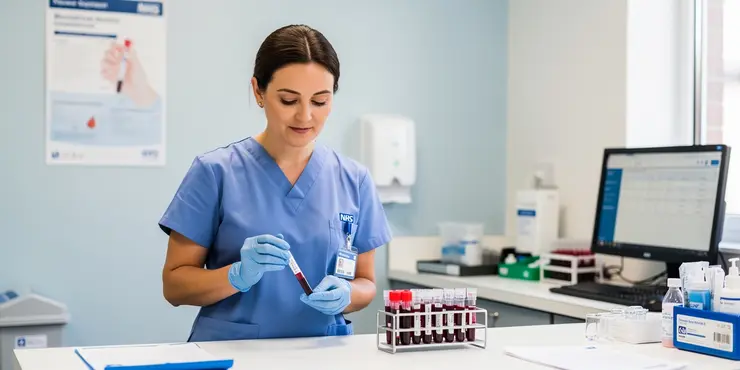
The most common initial test for diagnosing HIV is the HIV antibody test, which looks for antibodies produced by the body in response to the virus. In a typical scenario, a blood sample is taken and tested in a laboratory. Rapid tests are also available, which can use blood from a finger prick or oral fluid to deliver results within minutes. These rapid tests are highly accurate, though a follow-up confirmatory test is usually required.
Window Period
It's important to note the window period when testing for HIV. This is the time between potential exposure to HIV and when a test can reliably detect the virus or antibodies. For most standard antibody tests, the window period can be up to 12 weeks, as it may take this long for antibodies to become present at detectable levels. However, some modern tests can detect HIV earlier by identifying both antibodies and antigens.
Fourth-Generation Tests
Fourth-generation HIV tests, now commonly used in the UK, detect HIV antibodies and the p24 antigen, a part of the virus itself. These tests can typically provide accurate results as soon as two to four weeks after exposure. Fourth-generation tests are usually conducted in laboratories, though some advanced clinics might offer this testing method on-site.
Confirmatory Testing
If an initial HIV test returns a positive result, a follow-up confirmatory test is conducted to ensure accuracy. The second test is often more specific and detailed, further reinforcing the validity of the initial findings. This step is crucial to prevent any false-positive results and verify the presence of the virus.
Access to Testing
In the UK, HIV testing is readily accessible through NHS clinics, sexual health clinics, and some GP surgeries. Additionally, home testing kits are available, allowing individuals to test privately and conveniently. These kits can be ordered online, with results typically provided within a few days of returning the sample.
Importance of Regular Testing
For individuals at higher risk of HIV, regular testing is encouraged. Early detection through regular screening not only helps in managing the virus with effective treatment but also reduces the risk of onward transmission. The UK government and health organizations continuously promote awareness and accessibility to HIV testing as part of public health strategies.
Conclusion
Diagnosing HIV accurately and early plays a crucial role in effective treatment and prevention strategies in the UK. With modern testing methods and widespread availability of testing services, individuals can take proactive steps to know their HIV status and seek early treatment if necessary. Regular and accessible testing remains a cornerstone in combating the HIV epidemic and promoting public health.
Understanding HIV Diagnosis in the UK
HIV stands for Human Immunodeficiency Virus. You can find out if you have HIV by taking special medical tests. These tests look for the virus or the body's response to it. It's very important to find out if you have HIV as soon as possible. This helps doctors take care of your health. In the UK, there are many ways to get tested for HIV. These tests are made to give clear and private results.
Initial Screening Tests
The first test to check for HIV is called the HIV antibody test. This test looks for something called antibodies. Your body makes antibodies when the virus is present. Usually, a doctor will take a blood sample to test in the lab. There are also quick tests that use a small blood sample from your finger or fluid from your mouth. These quick tests can give results in just a few minutes. Most of the time, you will need another test to make sure the results are correct.
Window Period
The window period is the time you have to wait after being exposed to HIV before it shows up in a test. For most tests, this is up to 12 weeks. It can take this long for your body to make enough antibodies to be detected. Some new tests can find the virus sooner by looking for both antibodies and a part of the virus called an antigen.
Fourth-Generation Tests
Fourth-generation HIV tests are used a lot in the UK. They check for both HIV antibodies and something called the p24 antigen. This antigen is part of the virus. These tests can usually show results two to four weeks after you might have been exposed to HIV. Most times, these tests are done in laboratories, but some clinics might have the ability to do them on the spot.
Confirmatory Testing
If your first HIV test says you might have HIV, you'll need another test to be sure. This second test checks carefully to make sure the first test was right. It's very important to do this so there are no mistakes with the results.
Access to Testing
In the UK, it's easy to get an HIV test. You can go to NHS clinics, sexual health clinics, or some GP surgeries. You can also order a test kit to use at home. This lets you test yourself privately. You get the results a few days after you send your sample back.
Importance of Regular Testing
Some people have a higher chance of getting HIV based on their lifestyle or other factors. These people should get tested regularly. Finding HIV early means doctors can treat it better, and it helps stop the spread to others. In the UK, the government and health groups teach people about testing. They want everyone to have access to tests as part of keeping the community healthy.
Conclusion
Finding out if someone has HIV quickly and accurately is very important. It helps people get the right treatment and stops the virus from spreading. With new tests and many ways to get tested, people can easily learn their HIV status. This helps them start treatment early if needed. Testing regularly and making it easy to get tested are key parts of fighting HIV and keeping people healthy.
Frequently Asked Questions
The primary method for diagnosing HIV is through blood tests that detect HIV antibodies or antigens.
Yes, an HIV diagnosis can be made with a saliva test, but it must be confirmed with a blood test.
HIV can generally be detected within 2 to 4 weeks of exposure using an antigen/antibody test.
Types of tests used to diagnose HIV include antibody tests, antigen/antibody tests, and nucleic acid tests (NATs).
A rapid HIV test can provide results in as little as 20 minutes, while a standard test may take several days for results.
Yes, there are home testing kits available for HIV that you can use to test yourself and then send the sample to a lab.
An antigen/antibody test checks for both HIV antibodies and the p24 antigen, which is part of the virus itself.
HIV antibodies are proteins made by the immune system in response to an HIV infection.
A NAT looks for the actual virus in the blood and can identify HIV infection about 7-14 days after exposure.
Yes, especially if the test is taken too soon after exposure during the window period before antibodies are detectable.
It's recommended to test 3 to 4 weeks after exposure and again at 3 months to confirm results.
If an HIV test is positive, additional testing is usually done to confirm the diagnosis.
Acute HIV infection can cause flu-like symptoms, but many people may be asymptomatic for years.
Yes, during the acute phase HIV can be diagnosed using antigen/antibody tests or NATs.
HIV tests are highly accurate, especially when conducted after the window period, but repeat testing is recommended to confirm results.
Yes, informed consent is generally required for HIV testing.
Laws require that HIV test results be kept confidential, and they are only shared with authorized personnel.
They should contact a healthcare provider immediately, as post-exposure prophylaxis (PEP) can reduce the chance of infection if started promptly.
The window period is the time after HIV infection during which the virus is not detectable by tests; it varies by test type.
Follow-up testing is recommended to rule out infection due to the window period, as initial tests may not detect very recent infections.
The main way to find out if someone has HIV is by doing blood tests. These tests look for signs of HIV in the blood.
You can find out if someone has HIV with a spit test, but doctors will need to do a blood test to be sure.
You can usually find HIV in 2 to 4 weeks after you come into contact with it by using a special test. This test looks for signs of the virus in your body.
There are different tests to see if someone has HIV.
One test looks for antibodies in the blood. Antibodies are made by the body to fight germs.
Another test checks for antigens and antibodies at the same time.
A different test is called a nucleic acid test (NAT). This test looks for the virus itself.
A quick HIV test can give you answers in just 20 minutes. A normal test might take a few days to get results.
Yes, you can get test kits for HIV to use at home. You take a sample, like blood or saliva, then send it to a lab for checking.
This test looks for signs of HIV in two ways. First, it checks for things your body makes to fight HIV, called antibodies. Second, it looks for a piece of the virus called the p24 antigen. This helps find the virus early.
When someone has HIV, their body tries to fight it. The body makes special helpers called antibodies to do this.
A NAT test can find the virus that causes HIV in the blood. It can tell if someone has HIV 7 to 14 days after they have been in contact with the virus.
Yes, this can happen. If you take the test too soon, your body might not have made enough antibodies yet. It's like checking too early. You might want to try again later when your body has had more time.
Take the test 3 to 4 weeks after you might have been exposed. Then, take it again at 3 months to be sure of the results.
If an HIV test shows you have the virus, more tests are done to make sure.
When someone first gets HIV, they might feel like they have the flu. But a lot of people don't feel sick at all for a long time.
Yes, when someone first gets HIV, doctors can find it using special tests. These tests are called antigen/antibody tests or NATs.
HIV tests work very well. It is a good idea to get tested again after some time to be really sure about the results.
Yes, you usually need to know and agree before taking an HIV test.
The law says that when you get an HIV test, your results should be kept secret. Only certain people can see your results, like your doctor or nurse.
They should talk to a doctor or nurse right away. Medicine called PEP can help stop getting sick if they start it quickly.
The window period is the time right after a person gets HIV. During this time, you can't find the virus with tests. Different tests have different window periods.
It is a good idea to do more tests later. This is because the first tests might not find new infections right away.

Ergsy Search Results
This website offers general information and is not a substitute for professional advice.
Always seek guidance from qualified professionals.
If you have any medical concerns or need urgent help, contact a healthcare professional or emergency services immediately.
Some of this content was generated with AI assistance. We've done our best to keep it accurate, helpful, and human-friendly.
- Ergsy carefully checks the information in the videos we provide here.
- Videos shown by Youtube after a video has completed, have NOT been reviewed by ERGSY.
- To view, click the arrow in centre of video.
- Most of the videos you find here will have subtitles and/or closed captions available.
- You may need to turn these on, and choose your preferred language.
- Go to the video you'd like to watch.
- If closed captions (CC) are available, settings will be visible on the bottom right of the video player.
- To turn on Captions, click settings.
- To turn off Captions, click settings again.