
Get Answers
Introduction to Growing Daffodils
Daffodils are a beloved spring flower in the UK, known for their bright, cheerful yellow blooms. Growing daffodils is relatively simple and they thrive well in the climate, making them a popular choice for gardeners. This guide will provide you with all the information you need to successfully plant and nurture daffodils in your garden.
Choosing the Right Bulbs
Selecting healthy and robust bulbs is the first step to ensure a good display of daffodils. Choose bulbs that are firm to the touch and free from any signs of mould or damage. Larger bulbs typically produce stronger and more vibrant flowers.
Planting Time and Location
The best time to plant daffodil bulbs in the UK is in autumn, from September to November, before the ground freezes. Select a location that receives plenty of sunlight, although some varieties can tolerate partial shade. Daffodils prefer well-drained soil, so avoid areas where water tends to collect or become waterlogged.
Planting the Bulbs
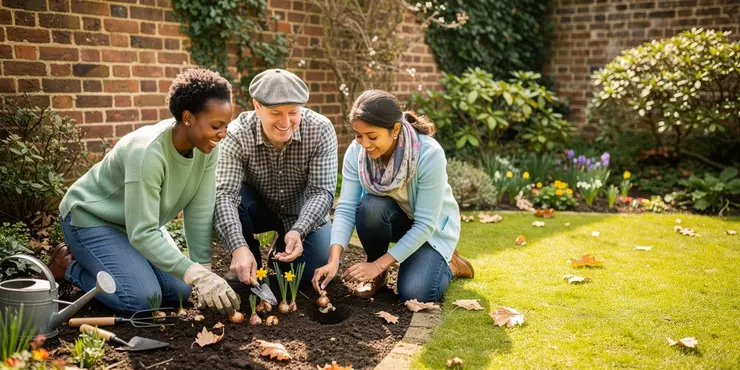
Plant the bulbs to a depth of about three times their height. For most daffodil bulbs, this means planting them about 10-15 cm deep, spaced approximately 10-15 cm apart. Make sure the pointed end of the bulb is facing upwards. If your soil is heavy, consider adding some grit or sand to improve drainage.
Caring for Daffodils
Once planted, daffodils require minimal maintenance. Water them during prolonged dry spells, especially in the spring when they are growing. After flowering, deadhead the blooms to prevent the plants from wasting energy producing seeds. Allow the foliage to die back naturally, as the leaves help to store energy in the bulb for next year’s growth.
Feeding and Fertilizing
Generally, daffodils do not require much feeding. However, applying a balanced fertilizer early in the spring can enhance flowering. Avoid using high-nitrogen fertilizers, as these can result in lush foliage but fewer flowers. Instead, opt for a balanced or slightly higher potash fertilizer to encourage blooming.
Dealing with Pests and Diseases
Daffodils are relatively resistant to pests and diseases. However, they can occasionally be affected by bulb rot or diseases such as Narcissus basal rot. Ensure good planting practices and remove any affected plants promptly. Slugs and snails may eat young shoots, so consider using organic slug pellets if necessary.
Naturalizing Daffodils
For a more natural look, you can naturalize daffodils in lawns or under trees. Scatter the bulbs randomly rather than planting in straight lines. This method mimics their natural growth and can produce stunning displays over the years as they multiply.
Conclusion
By following these simple guidelines, you can enjoy beautiful daffodils in your garden each spring. With their bright, sunny appearance and ease of care, daffodils are a perfect choice for both novice and experienced gardeners in the UK.
Introduction to Growing Daffodils
Daffodils are bright yellow flowers. They bloom in spring and make people happy. In the UK, daffodils are easy to grow. This guide will show you how to plant and take care of daffodils in your garden.
Choosing the Right Bulbs
Start by picking good bulbs. Bulbs are like seeds. Choose bulbs that are hard and not rotten. Big bulbs can grow big, pretty flowers.
Planting Time and Location
Plant daffodil bulbs in autumn, between September and November. Make sure you plant them before the ground gets too hard. Pick a sunny spot in your garden. Some daffodils can also grow in a bit of shade. They like soil that is not too wet.
Planting the Bulbs
Dig a hole three times the height of the bulb. For daffodils, this is about 10-15 cm deep. Plant each bulb 10-15 cm apart. Put the pointy part of the bulb facing up. If the soil is hard, mix in some sand to help water drain.
Caring for Daffodils
After planting, daffodils need little care. Water them if there is no rain for a long time, especially in spring. When flowers fade, take them off. Let the leaves turn brown and die on their own. This helps the bulb get ready for next year.
Feeding and Fertilizing
Daffodils do not need much food. You can add a little plant food in spring. Use a balanced fertilizer. Do not use too much nitrogen. It makes leaves grow more than flowers. Choose a plant food that helps flowers grow.
Dealing with Pests and Diseases
Daffodils are good at staying healthy. But sometimes bulbs can rot. If you see sick plants, take them out quickly. Slugs and snails might eat new shoots. You can use slug pellets to protect them.
Naturalizing Daffodils
For a wild look, plant daffodils in lawns or under trees. Drop the bulbs in random spots, not in a line. This way, they look natural and will spread over time.
Conclusion
Follow these easy steps to grow lovely daffodils every spring. Daffodils make gardens bright and are simple to care for. They are a great choice for anyone who loves gardening.
Frequently Asked Questions
The best time to plant daffodil bulbs is in the fall, about 2 to 4 weeks before the ground freezes.
Daffodil bulbs should be planted about 6 inches deep in the soil.
Daffodils prefer well-drained soil with plenty of organic matter.
Daffodils prefer full sun, but they can tolerate partial shade.
Daffodil bulbs should be planted about 3 to 6 inches apart.
Water daffodils after planting and keep the soil moist, but they do not require much watering once established.
A balanced, slow-release fertilizer applied in early spring is recommended for daffodils.
Daffodils should be divided every 3 to 5 years if they become crowded or bloom poorly.
Yes, daffodils can be grown in containers, using a well-draining potting mix.
Daffodils typically bloom in early to mid-spring.
To prevent pests, keep the area around daffodils clean and free of debris. Use barriers for larger animals and insecticidal soap for small pests.
After blooming, allow the foliage to yellow and die back naturally before removing it.
While it's possible, growing daffodils from seeds is very slow and they are typically propagated using bulbs.
Daffodil bulbs are generally avoided by squirrels and other animals because they are toxic.
To improve drainage, mix in sand or organic matter such as compost into the soil.
Companion plants such as tulips, crocuses, and hyacinths grow well with daffodils.
Yes, daffodils can be forced to bloom indoors by chilling the bulbs in a cool environment before planting them.
Daffodils grow well in USDA hardiness zones 3 through 9.
Daffodils might not bloom due to overcrowding, insufficient sunlight, or nutrient deficiencies.
Daffodil bulbs can last for many years if properly cared for and can even naturalize in a garden.
The best time to plant daffodil bulbs is in the fall. Do this about 2 to 4 weeks before the ground gets too hard.
Put daffodil bulbs in the dirt about 6 inches deep.
Daffodils like soil that is not too wet. It should have lots of good, natural stuff in it.
Daffodils like lots of sunshine, but they can also grow in places with some shade.
Plant daffodil bulbs with space between them. Leave a gap of about 3 to 6 inches.
When you plant daffodils, give them some water. Keep the ground a bit wet. After they start growing, you don't need to water them a lot.
In early spring, it is a good idea to use a special plant food for daffodils. This plant food gives them what they need slowly so they stay healthy.
You should move and split daffodils every 3 to 5 years. Do this when there are too many, or if they do not have many flowers.
Yes, you can grow daffodils in pots. Use potting soil that lets water drain well.
Daffodils are flowers that usually start to open in early to middle spring.
To stop pests from coming, keep the area around daffodils tidy. Clean up any mess. Use fences or nets to keep out big animals. Use special soapy water to get rid of small bugs.
After the flowers bloom, wait for the leaves to turn yellow and die. Then, you can take them away.
Yes, you can grow daffodils from seeds, but it takes a long time. It's easier and faster to grow them from bulbs.
Squirrels and other animals don't eat daffodil bulbs because they are poisonous.
To help water drain away, mix sand or compost into the dirt.
Some plants are good friends with daffodils. These plants are tulips, crocuses, and hyacinths. They grow well together.
Yes, you can make daffodils bloom inside your home. First, keep the bulbs in a cool place before you plant them.
Daffodils are flowers that can grow in special plant areas. These areas are called zones 3 to 9.
Daffodils might not flower if they are too close together, not getting enough sunlight, or not getting the right nutrients.
If you take good care of daffodil bulbs, they can live for many years. They can even spread by themselves in a garden.

Ergsy Search Results
This website offers general information and is not a substitute for professional advice.
Always seek guidance from qualified professionals.
If you have any medical concerns or need urgent help, contact a healthcare professional or emergency services immediately.
Some of this content was generated with AI assistance. We've done our best to keep it accurate, helpful, and human-friendly.
- Ergsy carefully checks the information in the videos we provide here.
- Videos shown by Youtube after a video has completed, have NOT been reviewed by ERGSY.
- To view, click the arrow in centre of video.
- Most of the videos you find here will have subtitles and/or closed captions available.
- You may need to turn these on, and choose your preferred language.
- Go to the video you'd like to watch.
- If closed captions (CC) are available, settings will be visible on the bottom right of the video player.
- To turn on Captions, click settings.
- To turn off Captions, click settings again.