
Get Answers
Understanding spiritual and cultural needs
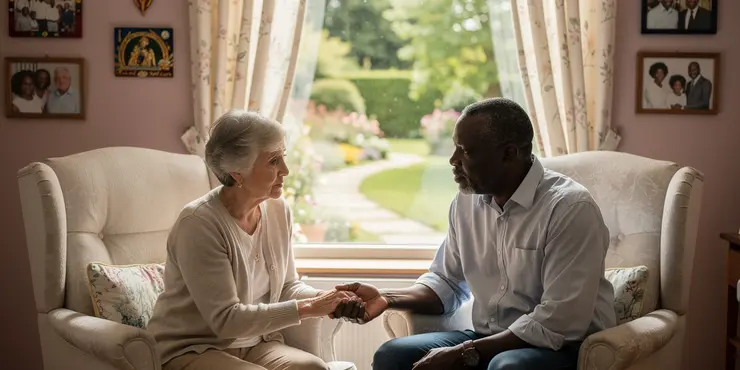
End-of-life care for terminal illness should reflect what matters most to the person, not only their medical needs. In the UK, this often means recognising faith, cultural traditions, family roles, and personal values as part of care planning.
These preferences can influence everything from who is involved in decisions to how pain relief is offered. Good care teams ask respectful questions early so they can support the person in a way that feels right to them.
How care teams make preferences part of the plan
NHS staff, hospice teams, and social care professionals can record spiritual or cultural wishes in advance care plans. This may include preferred prayers, dietary needs, gender preferences for personal care, or rituals around washing and dressing.
When these details are documented, they are easier to follow across different settings, such as hospital, hospice, home, or care home. This helps reduce stress for both the person and their family.
Support for faith and belief
For some people, religion provides comfort, structure, and meaning at the end of life. Care teams can arrange visits from chaplains, faith leaders, or community representatives if the person wants this.
They can also support practices such as prayer, holy readings, quiet time, or sacred objects at the bedside. If a person has no religion, spiritual care may still involve dignity, companionship, reflection, and respect for their wishes.
Respecting cultural practices
Cultural preferences may shape how illness, dying, and death are understood within a family. Some people may prefer that relatives make decisions together, while others want to decide independently.
Care teams should avoid assumptions and ask what is important to the individual and their family. This can include communication style, modesty, food choices, mourning customs, or preferences about the body after death.
Working with families and avoiding conflict
End-of-life decisions can be emotional, especially when spiritual or cultural views differ among relatives. Sensitive communication helps families feel heard while keeping the person’s own wishes central.
If there is uncertainty, staff may involve an advocate, interpreter, chaplain, or palliative care specialist. This can help ensure that care remains respectful, lawful, and person-centred.
Why these choices matter
When spiritual and cultural preferences are honoured, people are more likely to feel safe, valued, and at peace. This can improve trust in care services and reduce distress during a difficult time.
In the UK, person-centred end-of-life care means recognising that comfort is not only physical. It also includes identity, belief, family, and dignity at the end of life.
Frequently Asked Questions
Terminal illness end-of-life care spiritual cultural preferences refer to a person's beliefs, values, rituals, and traditions that should guide care at the end of life. They matter because honoring them can improve comfort, dignity, trust, and family support.
They can be documented in advance care planning forms, chart notes, care conferences, and family discussions. Care teams should record religious practices, language needs, dietary rules, modesty concerns, visitation customs, and preferred decision-makers.
The patient should be involved whenever possible, along with chosen family members, caregivers, chaplains, spiritual leaders, cultural advisors, social workers, nurses, and physicians. The patient’s preferences should remain central.
Some beliefs may influence whether a person wants certain medications, sedation, or alertness preserved for prayer or final conversations. Care teams should discuss comfort goals and adapt treatment to respect the person’s values while relieving suffering.
Supported practices may include prayer, meditation, chanting, scripture reading, sacraments, blessings, fasting accommodations, sacred music, or visits from faith leaders. The exact support should match the individual’s beliefs and wishes.
They can guide who may visit, when visits are appropriate, whether children should be present, and whether privacy is preferred. Some families want many visitors, while others prefer a quiet, private environment.
Common traditions may include specific mourning rituals, body preparation customs, dietary restrictions, clothing preferences, use of symbols, or post-death ceremonies. Care teams should ask rather than assume, because traditions vary widely.
Patients may prefer communication in their primary language or may want a trained interpreter for important conversations. Clear communication reduces misunderstanding and helps ensure that spiritual and cultural values are accurately respected.
The care team should identify the specific conflict, explore safe alternatives, and involve supervisors, chaplains, or cultural liaisons if needed. Many routine practices can be adapted to better fit the person’s preferences.
Beliefs about artificial nutrition, hydration, fasting, and natural dying may differ by culture and faith. The team should explain the medical effects and respect the patient’s goals and values when making decisions.
Yes. Some people prefer to die at home, in hospice, in a hospital, or in a religious or community setting. The preferred setting should be discussed early so care can align with those wishes as much as possible.
They can shape memorial services, mourning periods, condolence practices, and family support after death. Respecting these customs helps families feel acknowledged and supported during grief.
Chaplains can provide spiritual assessment, emotional support, prayer, ritual assistance, and coordination with faith communities. They also help the care team understand and honor the patient’s beliefs and preferences.
The care team should rely on prior statements, advance directives, known beliefs, and input from the legally authorized surrogate. The goal is to honor the person’s established values and preferences as closely as possible.
The care team should focus on the patient’s expressed wishes, advance planning documents, and legally recognized decision-makers. Mediation, ethics consultation, or chaplain support may help resolve disagreements respectfully.
Some beliefs may support continuing treatment, while others may favor comfort-focused care and allowing natural death. Clinicians should explain options clearly and align treatment with the patient’s goals and values.
Direct questions prevent assumptions and make it more likely that care will match the person’s beliefs. People may have unique traditions, hybrid identities, or personal interpretations that are not obvious from background alone.
The team can reduce interruptions, allow meaningful visitors, support prayer or ritual, manage symptoms, and honor privacy or sacred practices. Small adjustments can make the final hours more peaceful and dignified.
Training in cultural humility, spiritual assessment, communication skills, and trauma-informed care helps staff respond respectfully. Ongoing education and access to interpreters and chaplains also improve care.
They should be revisited whenever the patient’s condition, goals, family situation, or beliefs change. Regular review keeps the care plan accurate and ensures preferences remain current and meaningful.

Ergsy Search Results
This website offers general information and is not a substitute for professional advice.
Always seek guidance from qualified professionals.
If you have any medical concerns or need urgent help, contact a healthcare professional or emergency services immediately.
Some of this content was generated with AI assistance. We've done our best to keep it accurate, helpful, and human-friendly.
- Ergsy carefully checks the information in the videos we provide here.
- Videos shown by Youtube after a video has completed, have NOT been reviewed by ERGSY.
- To view, click the arrow in centre of video.
- Most of the videos you find here will have subtitles and/or closed captions available.
- You may need to turn these on, and choose your preferred language.
- Go to the video you'd like to watch.
- If closed captions (CC) are available, settings will be visible on the bottom right of the video player.
- To turn on Captions, click settings.
- To turn off Captions, click settings again.