
Get Answers
Introduction to CBD Production
Cannabidiol (CBD) is a popular wellness supplement derived from the cannabis plant, known for its potential therapeutic effects without the psychoactive properties of THC. Understanding how CBD is made can provide insights into its purity, quality, and effectiveness.
Cultivation of Hemp
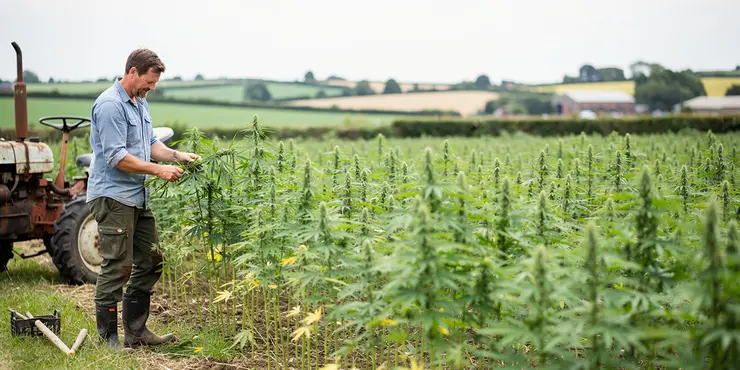
The process of making CBD begins with the cultivation of hemp, a variety of the Cannabis sativa plant selected for high CBD and low THC content. In the UK, hemp must contain less than 0.2% THC to be legally grown. Farmers select hemp strains based on their high CBD yield, and these are typically grown in controlled, organic environments to ensure quality and compliance with regulations.
Harvesting and Drying
Once the hemp plants have matured, they are harvested. This involves cutting the plants and drying them to preserve their compounds and prevent mould. The drying process is crucial as it prepares the plant material for extraction while maintaining the integrity of its cannabinoids and terpenes.
Extraction Methods
After drying, the CBD is extracted from the hemp. Several techniques can be used, each affecting the final product's purity and quality. The most common methods are CO2 extraction, ethanol extraction, and oil infusion.
CO2 Extraction
CO2 extraction is regarded as the gold standard for CBD production. This method uses supercritical carbon dioxide to pull CBD and other beneficial compounds from the hemp plant. It is highly efficient and produces a pure product free of chlorophyll and other impurities.
Ethanol Extraction
Ethanol extraction uses high-proof alcohol to dissolve plant waxes, releasing the CBD and other cannabinoids. This method is cost-effective and can produce high-quality CBD oil. However, it requires careful purging of the ethanol to ensure no residual solvent remains in the product.
Oil Infusion
Oil infusion is one of the oldest and simplest methods of extraction. It involves heating the plant material in a carrier oil, such as olive or coconut oil, which absorbs the cannabinoids. This method is safe and accessible, but it often results in products with lower potency compared to other methods.
Distillation and Refinement
After extraction, the crude oil undergoes further processing to isolate and purify the CBD. Distillation methods can refine the oil, removing unwanted plant matter, fats, and lipids. Through chromatography, the product can be further refined to produce broad-spectrum or CBD isolate, depending on the desired end product.
Testing and Quality Assurance
In the UK, stringent testing ensures that CBD products are safe and of the highest quality. Third-party labs test for cannabinoid content, potency, and the presence of contaminants, such as heavy metals and pesticides. Certification and verification are crucial to maintaining consumer trust and compliance with legal standards.
Conclusion
Producing CBD is a complex process that involves careful cultivation, precise extraction, and rigorous testing. By understanding these steps, consumers can make informed decisions about the CBD products they choose to incorporate into their wellness routines.
Introduction to CBD Production
Cannabidiol, or CBD, is a supplement that helps people feel better. It comes from a plant called cannabis. CBD does not make you feel high, like another part of cannabis called THC. Learning how CBD is made can help you know if it is good and safe to use.
Growing Hemp Plants
CBD comes from hemp plants. These plants are special because they have a lot of CBD and not much THC. In the UK, hemp can only have a very tiny amount of THC to be grown. Farmers pick the best hemp plants that make a lot of CBD. They grow them in special places where they can watch them closely to make sure the plants are healthy and follow the rules.
Harvesting and Drying
When the hemp plants are ready, farmers cut them down. Then they dry the plants to keep them from getting moldy. Drying is important because it keeps the plant parts, called cannabinoids and terpenes, safe and ready for the next step.
Getting CBD Out
After drying, CBD is taken out of the hemp plants. There are different ways to do this, and each way changes how clean and good the CBD is. The most common ways are CO2 extraction, ethanol extraction, and oil infusion.
CO2 Extraction
CO2 extraction is a popular way to get CBD. It uses a special gas to take out CBD and other good parts from the plant. This way is very good at making pure CBD without bad stuff.
Ethanol Extraction
Ethanol extraction uses strong alcohol to get CBD out of the plant. It does not cost much and can make good CBD oil. But it's important to remove all the alcohol from the CBD after using it.
Oil Infusion
Oil infusion is an old and easy way to get CBD. The hemp is put in a warm oil, like olive or coconut oil, which soaks up the CBD. This method is safe and simple but doesn’t make as strong CBD as other ways.
Cleaning and Purifying CBD
After getting the CBD out, it needs more cleaning to remove unwanted things. Distillation helps make the CBD oil cleaner by taking out plant bits and fats. Sometimes, CBD is further refined to make it pure.
Testing for Quality
In the UK, CBD products are tested to make sure they are safe and good. Special labs check how strong the CBD is and if there are any bad chemicals in it. These tests are important for keeping people’s trust in CBD products.
Conclusion
Making CBD involves growing plants, getting the CBD out, and testing it carefully. When you know this, you can choose the best CBD products for your health.
Frequently Asked Questions
CBD is primarily extracted from the flowers, leaves, and stalks of the hemp plant.
The first step is harvesting the hemp plants when they reach full maturity.
The harvested hemp is dried and then ground into a fine powder to prepare for extraction.
Two common methods are CO2 extraction and solvent extraction using ethanol or other solvents.
CO2 extraction uses pressurized carbon dioxide to pull CBD and other cannabinoids from the plant material.
CO2 extraction is popular because it is safe, efficient, and results in a pure product without harmful residues.
Solvent extraction uses solvents like ethanol to dissolve cannabinoids, which are then separated from the solvent.
Yes, if done properly, but it requires careful removal of solvents to ensure no harmful residues remain.
Winterization is a process that removes impurities like fats and waxes by mixing the crude extract with alcohol and freezing it.
Winterization improves the purity and quality of the final CBD product by removing unwanted compounds.
After extraction, the CBD oil is tested for purity and potency and may undergo further refinement.
Decarboxylation is a process that activates cannabinoids by heating the raw extract, converting CBDA to CBD.
CBD isolate is a pure form of CBD that has been refined to remove all other cannabinoids and compounds.
Full spectrum CBD contains CBD along with other cannabinoids, terpenes, and nutrients from the hemp plant.
Broad spectrum CBD contains multiple cannabinoids and terpenes but has the THC removed.
CBD oil is batch-tested in labs for potency, purity, and the presence of harmful substances.
Equipment includes CO2 extractors, rotary evaporators, and chromatography systems for refining CBD.
The extraction process can vary but typically takes a few hours to a couple of days depending on methods.
While it's possible to make CBD oil at home, it's not as pure or safe as commercial production.
It ensures the safety, quality, and accurate labeling of CBD products by providing unbiased verification.
CBD comes from the flowers, leaves, and stalks of hemp plants.
First, we pick the hemp plants when they are fully grown.
First, the hemp is picked. Then, it is dried. After drying, it is crushed into a soft powder. This gets it ready for the next step.
Tip: You can use tools like text-to-speech or audio books to help with reading and understanding.
There are two common ways to do this. One way is using a gas called CO2. The other way is using a liquid like ethanol, which is a type of alcohol, or other similar liquids.
CO2 extraction uses a special gas called carbon dioxide. It pushes this gas on the plant to get CBD and other things from it.
People like using CO2 extraction because it is safe and works well. It makes a clean product that doesn't have bad stuff in it.
Solvent extraction helps get things from plants. It uses liquids called solvents, like ethanol. Ethanol mixes with cannabinoids, which then separate out.
Yes, we can do this, but we need to do it carefully. We must make sure to take out all the liquids that can be dangerous if left inside.
Winterization is a way to clean a liquid by taking out things like fats and waxes. To do this, you mix the liquid with alcohol and make it very cold. This helps get rid of the unwanted stuff.
Tools that can help with reading and understanding:
- Reading Aloud Apps: Use apps that read text out loud. This can help you understand better.
- Highlighting: Highlight or underline important words or parts to make them stand out.
- Break it Down: If a sentence is long, try reading it in smaller parts.
Winterization makes the CBD product better and cleaner by taking out things we don't want.
After we take the CBD oil out, we check it to make sure it is clean and strong. Sometimes, it goes through more cleaning to make it better.
Decarboxylation is a way to make cannabinoids work better. We heat the raw extract to change CBDA into CBD.
CBD isolate is a very pure type of CBD. It is made by taking out all other parts and chemicals, leaving only CBD.
Full spectrum CBD has CBD and other parts from the hemp plant. This includes different plant parts like cannabinoids, terpenes, and nutrients.
Broad spectrum CBD has many helpful parts from the cannabis plant. But it does not have THC, which is the part that can make you feel "high."
CBD oil is checked in labs to make sure it is strong, clean, and safe.
The tools used are CO2 extractors, rotary evaporators, and chromatography systems to make CBD better.
Taking something out can take a few hours or a few days. It depends on how you do it.
You can make CBD oil at home, but it might not be as clean or safe as the kind you buy in stores.
It makes sure CBD products are safe, good quality, and have correct labels by checking them in a fair way.

Ergsy Search Results
This website offers general information and is not a substitute for professional advice.
Always seek guidance from qualified professionals.
If you have any medical concerns or need urgent help, contact a healthcare professional or emergency services immediately.
Some of this content was generated with AI assistance. We've done our best to keep it accurate, helpful, and human-friendly.
- Ergsy carefully checks the information in the videos we provide here.
- Videos shown by Youtube after a video has completed, have NOT been reviewed by ERGSY.
- To view, click the arrow in centre of video.
- Most of the videos you find here will have subtitles and/or closed captions available.
- You may need to turn these on, and choose your preferred language.
- Go to the video you'd like to watch.
- If closed captions (CC) are available, settings will be visible on the bottom right of the video player.
- To turn on Captions, click settings.
- To turn off Captions, click settings again.