
Get Answers
Understanding Rabies in the UK
Rabies is a viral disease that primarily affects mammals. It spreads through the bite or scratch of an infected animal.
While the UK is free from rabies in land animals, the risk remains from imported animals. Bat rabies, though rare, can also be a concern.
Vaccination as a Primary Measure
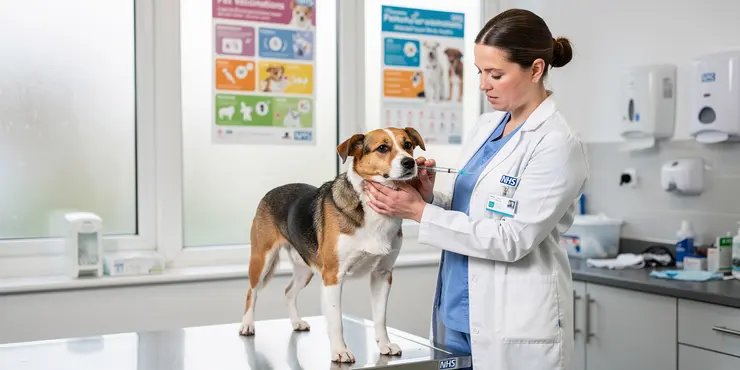
Vaccination remains the most effective method of preventing rabies. Pets like dogs and cats should be vaccinated, especially if traveling outside the UK.
In the UK, if your pet is travelling or returning, ensure it meets the Pet Travel Scheme requirements. This often includes rabies vaccination.
Managing Pet Travel
Before travelling abroad with pets, secure the necessary vaccinations and documentation. This is crucial for returning to the UK without complications.
Check if your destination country has specific requirements for rabies prevention. Always consult a vet for the latest travel advice.
Public Awareness and Safety Practices
Public awareness plays a vital role in preventing rabies. People should understand the risks associated with stray or wild animals abroad.
If bitten or scratched by an animal in a foreign country, seek immediate medical advice. Early treatment can prevent the virus from developing.
Professional Training and Emergency Measures
Veterinarians and animal control professionals should be well-trained in recognising and managing rabies risks. Prompt reporting of suspected cases is essential.
If rabies is suspected, a swift response can prevent potential outbreaks. Proper quarantine and testing procedures are crucial.
Bat Rabies Awareness
In the UK, bat handlers and researchers should get vaccinated against rabies. This protects them from the rare but possible bat rabies variant.
People who come into contact with bats should seek professional advice and avoid handling bats unless trained to do so.
Conclusion: Staying Informed and Prepared
Preventing rabies requires a combination of vaccination, awareness, and quick action. Stay informed about travel risks and local wildlife regulations.
By following official guidelines and ensuring pets are vaccinated, the risk of rabies can be effectively managed.
Frequently Asked Questions
The primary method to prevent rabies in humans is through vaccination, especially for those at high risk or after potential exposure.
Domestic animals can be protected by ensuring they receive regular rabies vaccinations as recommended by veterinarians.
Immediately wash the wound thoroughly with soap and water and seek medical attention to evaluate the need for a rabies vaccine.
Yes, pre-exposure rabies vaccines are available for people at high risk, such as veterinarians and travelers to certain countries.
No, rabies is not spread through casual contact or by sharing food, only through bites or saliva of an infected animal entering the body.
Controlling stray animal populations reduces the number of animals that can become infected with rabies and transmit it to humans.
Yes, wild animals such as bats, raccoons, skunks, and foxes are significant sources of rabies transmission to humans and pets.
Animal control services help prevent rabies by capturing and vaccinating stray animals, and monitoring wildlife populations.
Post-exposure prophylaxis involves administering a rabies vaccine series and, if necessary, rabies immune globulin to prevent infection after exposure.
Yes, it's recommended to vaccinate indoor pets as they might escape or encounter infected animals that enter the home.
Pets should receive rabies vaccinations according to local regulations, which generally stipulate once every one to three years.
Avoid approaching the animal and contact local wildlife or animal control authorities to handle the situation.
Rabies cannot be transmitted through thoroughly cooked meat, but handling or consuming raw infected tissue is risky.
Once rabies symptoms appear, the disease is nearly always fatal. Immediate post-exposure prophylaxis is crucial to prevent symptom development.
Travelers to areas with high rabies risk should consult health professionals for advice on vaccines and preventive measures.
The WHO aims to eliminate human deaths from dog-mediated rabies by increasing dog vaccination and awareness campaigns worldwide.
Occupations like veterinary medicine, animal control, and wildlife conservation pose higher rabies risk requiring preventive vaccinations.
Public education raises awareness about rabies risks, prevention, and the importance of vaccination and responsible pet ownership.
Import policies typically require proof of rabies vaccination and, in some cases, quarantine periods for pets to prevent rabies spread.
You can help by vaccinating pets, reporting stray animals, educating others about rabies, and supporting local animal control efforts.

Ergsy Search Results
This website offers general information and is not a substitute for professional advice.
Always seek guidance from qualified professionals.
If you have any medical concerns or need urgent help, contact a healthcare professional or emergency services immediately.
Some of this content was generated with AI assistance. We've done our best to keep it accurate, helpful, and human-friendly.
- Ergsy carefully checks the information in the videos we provide here.
- Videos shown by Youtube after a video has completed, have NOT been reviewed by ERGSY.
- To view, click the arrow in centre of video.
- Most of the videos you find here will have subtitles and/or closed captions available.
- You may need to turn these on, and choose your preferred language.
- Go to the video you'd like to watch.
- If closed captions (CC) are available, settings will be visible on the bottom right of the video player.
- To turn on Captions, click settings.
- To turn off Captions, click settings again.