
Get Answers
How self-diagnosis can help with PCOS symptoms
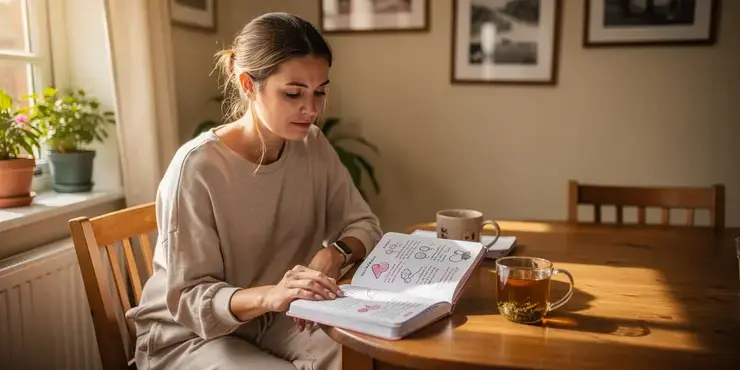
Self-checking your symptoms can be a useful first step if you think you may have polycystic ovary syndrome, or PCOS. It can help you notice patterns such as irregular periods, acne, unwanted hair growth, weight changes, or thinning scalp hair.
Keeping track of symptoms over time can make it easier to see whether they are occasional or persistent. This can also help you explain your concerns clearly when you speak to a GP.
Signs that should prompt a GP appointment
It is a good idea to see a doctor if your periods have become irregular, very infrequent, or have stopped altogether. PCOS is one possible cause, but other conditions can also affect your cycle.
You should also book an appointment if you have bothersome acne, excess facial or body hair, or difficulty managing your weight alongside other symptoms. These signs do not confirm PCOS, but they can point to hormone changes that need checking.
Why a self-check is not enough
PCOS symptoms can overlap with other health issues, including thyroid problems, stress, pregnancy, and other hormone-related conditions. Because of this, self-diagnosis alone cannot give you a reliable answer.
A GP can ask about your symptoms, arrange blood tests, and sometimes organise an ultrasound if needed. This helps rule out other causes and gives you a clearer diagnosis.
When to seek help sooner
Make an appointment sooner rather than later if symptoms are affecting your daily life or causing you distress. This includes heavy worry about fertility, changes in mood, or symptoms that are getting worse.
If you have not had a period for several months and there is any chance you could be pregnant, it is important to seek medical advice promptly. Sudden severe pelvic pain or very heavy bleeding should be assessed urgently.
How to prepare for your appointment
Before seeing your GP, note down when your periods started, how often they come, and any changes you have noticed. It can also help to list skin, hair, and weight changes, plus any medicines or contraception you use.
Taking this information with you can save time and help your doctor decide what tests or treatment may be appropriate. If PCOS is diagnosed, there are ways to manage symptoms and reduce longer-term health risks.
Frequently Asked Questions
Common symptoms that can raise concern include irregular or infrequent periods, very heavy periods, acne, excess facial or body hair, scalp hair thinning, weight gain, trouble losing weight, darkened skin patches, and fertility problems. If several of these are present, it is reasonable to see a doctor for an evaluation.
Occasional cycle variation can be normal, but periods that are regularly more than about 35 days apart, fewer than about 8 periods a year, or months without a period deserve medical attention. A doctor can help determine whether the pattern is due to PCOS symptom self-diagnosis when to see a doctor or another cause.
You should book an appointment if symptoms are persistent, getting worse, affecting daily life, or if you have missed periods for several months. You should also seek care if you are trying to conceive, because PCOS can affect ovulation and fertility.
No. Symptoms can suggest PCOS, but diagnosis usually requires a clinician review, physical exam, and sometimes blood tests or ultrasound. Self-checking can help you decide when to see a doctor, but it cannot confirm the condition.
Urgent care is needed for severe pelvic pain, very heavy bleeding, fainting, signs of pregnancy with pain or bleeding, or sudden symptoms that are unusual for you. These may indicate conditions other than PCOS and should not be ignored.
Acne and excess hair growth can happen with PCOS, especially when they appear together with irregular periods or weight changes. If these symptoms are persistent, worsening, or emotionally distressing, seeing a doctor is a good next step.
Weight gain alone does not mean you have PCOS, because many factors can contribute to it. However, if weight gain occurs along with irregular periods, acne, hair changes, or fertility concerns, a medical evaluation is appropriate.
Family history can increase the likelihood of PCOS and related metabolic problems such as insulin resistance and type 2 diabetes. If close relatives have PCOS, diabetes, or irregular cycles, it is wise to mention this to a doctor when discussing your symptoms.
If you have been trying to get pregnant for 12 months or more without success, or 6 months if you are age 35 or older, you should see a doctor sooner. Irregular ovulation or missed periods can be a clue that PCOS is affecting fertility.
Yes, but diagnosis in teenagers can be tricky because irregular cycles are common in the first few years after the first period. A doctor should be seen if periods remain very irregular, if acne or excess hair is severe, or if symptoms are causing concern.
A doctor may order blood tests to check hormone levels, blood sugar, cholesterol, thyroid function, and other possible causes. An ultrasound may also be used in some cases, though it is not always required for diagnosis.
It can be helpful to discuss insulin resistance with a doctor, especially if you have weight gain, dark skin patches, or a family history of diabetes. A clinician can decide whether blood sugar or other metabolic testing is needed.
You should arrange a medical visit within the next few weeks if symptoms are ongoing but not urgent. If you have severe bleeding, severe pain, or other alarming symptoms, seek urgent care instead of waiting.
Even mild symptoms can be worth discussing with a doctor, especially if they persist over time. Early evaluation can help rule out other conditions and reduce the risk of long-term problems such as diabetes or infertility.
Yes. Stress, weight changes, thyroid problems, and other hormonal conditions can also cause irregular periods and acne. Because symptoms overlap, a doctor’s evaluation is important before assuming PCOS is the cause.
Bring notes about your cycle length, missed periods, acne, hair growth, weight changes, medications, and any fertility concerns. Ask whether testing is needed, what else could explain the symptoms, and what treatment options may help.
Yes, birth control can make periods look regular and may mask some symptoms. If you have acne, excess hair, weight changes, or a history of irregular cycles before starting birth control, tell a doctor so PCOS can still be considered.
Untreated PCOS can be linked to infertility, type 2 diabetes, high blood pressure, cholesterol problems, sleep issues, and increased risk of endometrial problems from infrequent periods. Seeing a doctor can help reduce these risks.
Symptom trackers can help you notice patterns in your cycle, acne, hair growth, and weight changes. They are useful for deciding when to see a doctor, but they cannot replace a medical diagnosis.
You may need a specialist such as an endocrinologist or gynecologist if symptoms are complex, if first-line treatment does not help, or if fertility is a concern. A primary care doctor can usually help decide whether specialist care is appropriate.

Ergsy Search Results
This website offers general information and is not a substitute for professional advice.
Always seek guidance from qualified professionals.
If you have any medical concerns or need urgent help, contact a healthcare professional or emergency services immediately.
Some of this content was generated with AI assistance. We've done our best to keep it accurate, helpful, and human-friendly.
- Ergsy carefully checks the information in the videos we provide here.
- Videos shown by Youtube after a video has completed, have NOT been reviewed by ERGSY.
- To view, click the arrow in centre of video.
- Most of the videos you find here will have subtitles and/or closed captions available.
- You may need to turn these on, and choose your preferred language.
- Go to the video you'd like to watch.
- If closed captions (CC) are available, settings will be visible on the bottom right of the video player.
- To turn on Captions, click settings.
- To turn off Captions, click settings again.