
Find Help
More Items From Ergsy search
-
How can I request access to my police records?
Relevance: 100%
-
Can access to my police records be denied?
Relevance: 87%
-
Can someone else request my police records on my behalf?
Relevance: 83%
-
Are all police departments required to provide access to records?
Relevance: 82%
-
What laws govern my right to access police records?
Relevance: 82%
-
What information do I need to provide to access my police records?
Relevance: 82%
-
Can I access digital or electronic copies of my police records?
Relevance: 82%
-
Will accessing my police records show up in background checks?
Relevance: 79%
-
What should I do if my request to see my police records is denied?
Relevance: 78%
-
Is there a difference in accessing police records for federal and state cases?
Relevance: 76%
-
Do I have a right to see my police records?
Relevance: 74%
-
Do I have a right to see my police records?
Relevance: 74%
-
What types of police records are available for me to see?
Relevance: 73%
-
Are there any fees to obtain my police records?
Relevance: 72%
-
Can the process of obtaining police records be done online?
Relevance: 71%
-
Do I have a right to see other people's police records?
Relevance: 70%
-
How can I request access to my medical records?
Relevance: 68%
-
How can I ensure my police records are accurate?
Relevance: 67%
-
Can police records be expunged or sealed?
Relevance: 65%
-
Can the police access my neighbour’s CCTV footage without consent?
Relevance: 62%
-
How long does it take to obtain my police records?
Relevance: 62%
-
How do I request corrections to my medical records?
Relevance: 56%
-
What impact does sealing my police records have?
Relevance: 56%
-
Can anyone else request my medical records on my behalf?
Relevance: 55%
-
Can I request corrections to my medical records?
Relevance: 54%
-
Do I have the right to access electronic medical records?
Relevance: 52%
-
What should I do if I am denied access to my medical records?
Relevance: 51%
-
Do I have the right to know who has accessed my medical records?
Relevance: 49%
-
Can my employer access my medical records without my consent?
Relevance: 48%
-
Are there any exceptions to my right to access my medical records?
Relevance: 48%
-
How long should it take to receive my medical records after I request them?
Relevance: 48%
-
Does the right to access my medical records apply to minors?
Relevance: 47%
-
Are juvenile records accessible in the same way as adult records?
Relevance: 45%
-
Do I have a right to see my medical records?
Relevance: 43%
-
Will accessing my medical records affect my relationship with my healthcare provider?
Relevance: 41%
-
Can my medical records be withheld for any reasons?
Relevance: 40%
-
Can I receive my medical records in a specific format, such as electronically?
Relevance: 40%
-
Can I specify who can see my medical records?
Relevance: 39%
-
Are there any fees associated with obtaining my medical records?
Relevance: 38%
-
Are there privacy protections for my medical records?
Relevance: 38%
Understanding Your Right to Access Police Records
If you've had interactions with the police in the UK, you may have a right to access your police records. These records can include information on arrests, charges, and any investigations involving you.
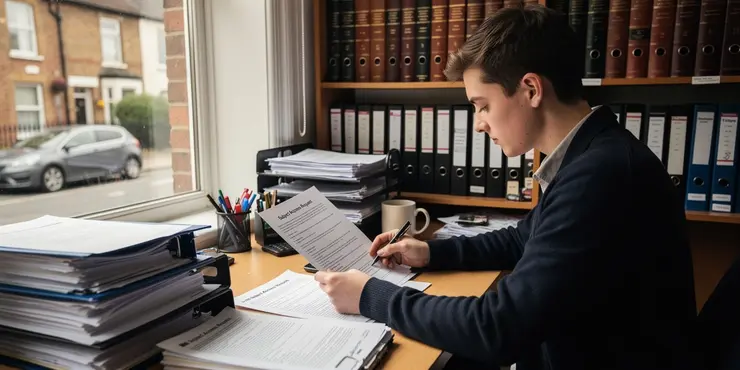
Understanding the process to request these records is important for anyone who wishes to manage their personal data. The UK law ensures transparency and personal data rights through schemes like Subject Access Requests (SARs).
What Are Subject Access Requests (SARs)?
A Subject Access Request (SAR) is a legal way to request copies of personal data held about you. This is part of the UK’s commitment to data protection under the Data Protection Act 2018 and the UK General Data Protection Regulation (UK GDPR).
Police records can be requested through a SAR to the relevant police authority. This enables you to obtain information on how your data is being used and to check it’s being handled lawfully.
Steps to Request Access to Police Records
Begin by determining which police force holds the data you need access to. This will usually be the force where the incident occurred or where you were processed.
Visit the official website of the relevant police force. Most police websites offer detailed instructions on how to submit a SAR.
You will need to provide proof of identity. This typically includes documents like a passport or driver’s license and proof of address.
Submit your SAR online or via post, depending on the instructions provided by the police force. Ensure you include all required details to avoid delays in processing your request.
What to Expect After Submitting a SAR
Once your request is submitted, the police should respond within one calendar month. However, in complex cases, they may extend this period by up to an additional two months.
You should expect to receive a copy of the requested records, though some information might be redacted. Sensitive information, such as details about ongoing investigations, third parties, or child protection issues, may be withheld.
What If My Request Is Denied?
If you are denied access to your police records, you have the right to ask for a review of the decision. Contact the data protection officer within the police force for clarification and further assistance.
Should you remain dissatisfied, you may contact the Information Commissioner's Office (ICO) for further support. They handle complaints relating to data protection and can provide guidance on your next steps.
Conclusion
Requesting access to your police records in the UK is a straightforward process facilitated through a SAR. By following the correct procedure, you exercise your rights to transparency and privacy regarding personal data held by police forces.
Always ensure to provide accurate information and required documentation in your request to avoid delays. Remember, understanding your rights is crucial in managing your personal data effectively.
Frequently Asked Questions
What is the process for requesting access to my police records?
You typically need to contact the police department where the records are held, complete a request form, and possibly pay a fee.
Who can request access to police records?
Generally, the person named in the record or their legal representative can request access. Some jurisdictions may have specific laws regarding access.
Is there a fee to request access to my police records?
There may be a fee, which can vary depending on the jurisdiction and the extent of the records requested.
How long does it take to receive my police records?
The time can vary. It may take a few days to several weeks depending on the department and the complexity of the request.
Can I request my police records online?
Some departments offer online request options, while others require in-person requests or mail-in forms.
What identification do I need to provide to access my police records?
You will generally need to provide a government-issued photo ID to verify your identity.
Can someone else request my police records on my behalf?
Yes, a legal representative or attorney can request them, but they will typically need proof of authorization from you.
Are there any restrictions on accessing my police records?
Some records may be restricted due to privacy laws, ongoing investigations, or court orders.
Do police records include my criminal history?
Yes, police records can include arrest records, incident reports, and criminal history.
What should I do if I find an error in my police records?
Contact the police department to discuss the error and follow their procedures for correction.
Is my request for police records confidential?
The request itself is legal and should not be shared publicly, but some public records requests may be subject to public disclosure.
Can I request police records for someone else?
Accessing another person's records typically requires their consent or proof of a legal right to access, such as guardianship.
What should I include in my request for police records?
Include your full name, date of birth, details of the incident or records requested, and any reference numbers if available.
How do I find out where my police records are held?
Records are usually held by the police department that created them. Contact the relevant department for information.
What if the police department denies my request for records?
If denied, you can ask for the reason and potentially appeal the decision through the department's procedures.
Are juvenile police records accessible?
Juvenile records are often sealed and not accessible without a court order or specific authorization.
Do I need an attorney to access my police records?
An attorney is not required, but legal advice can be helpful if you encounter difficulties.
How can I verify the authenticity of the police records I receive?
Records provided directly by the police department should be authentic, but you can confirm through official channels.
What formats are police records available in?
Records may be available as paper copies, electronic files, or both, depending on the department.
Are there laws governing access to police records?
Yes, laws like the Freedom of Information Act (FOIA) in the U.S. or similar laws in other countries may apply.

Useful Links
This website offers general information and is not a substitute for professional advice.
Always seek guidance from qualified professionals.
If you have any medical concerns or need urgent help, contact a healthcare professional or emergency services immediately.
- Ergsy carfully checks the information in the videos we provide here.
- Videos shown by Youtube after a video has completed, have NOT been reviewed by ERGSY.
- To view, click the arrow in centre of video.
- Most of the videos you find here will have subtitles and/or closed captions available.
- You may need to turn these on, and choose your preferred language.
- Go to the video you'd like to watch.
- If closed captions (CC) are available, settings will be visible on the bottom right of the video player.
- To turn on Captions, click settings .
- To turn off Captions, click settings again.
More Items From Ergsy search
-
How can I request access to my police records?
Relevance: 100%
-
Can access to my police records be denied?
Relevance: 87%
-
Can someone else request my police records on my behalf?
Relevance: 83%
-
Are all police departments required to provide access to records?
Relevance: 82%
-
What laws govern my right to access police records?
Relevance: 82%
-
What information do I need to provide to access my police records?
Relevance: 82%
-
Can I access digital or electronic copies of my police records?
Relevance: 82%
-
Will accessing my police records show up in background checks?
Relevance: 79%
-
What should I do if my request to see my police records is denied?
Relevance: 78%
-
Is there a difference in accessing police records for federal and state cases?
Relevance: 76%
-
Do I have a right to see my police records?
Relevance: 74%
-
Do I have a right to see my police records?
Relevance: 74%
-
What types of police records are available for me to see?
Relevance: 73%
-
Are there any fees to obtain my police records?
Relevance: 72%
-
Can the process of obtaining police records be done online?
Relevance: 71%
-
Do I have a right to see other people's police records?
Relevance: 70%
-
How can I request access to my medical records?
Relevance: 68%
-
How can I ensure my police records are accurate?
Relevance: 67%
-
Can police records be expunged or sealed?
Relevance: 65%
-
Can the police access my neighbour’s CCTV footage without consent?
Relevance: 62%
-
How long does it take to obtain my police records?
Relevance: 62%
-
How do I request corrections to my medical records?
Relevance: 56%
-
What impact does sealing my police records have?
Relevance: 56%
-
Can anyone else request my medical records on my behalf?
Relevance: 55%
-
Can I request corrections to my medical records?
Relevance: 54%
-
Do I have the right to access electronic medical records?
Relevance: 52%
-
What should I do if I am denied access to my medical records?
Relevance: 51%
-
Do I have the right to know who has accessed my medical records?
Relevance: 49%
-
Can my employer access my medical records without my consent?
Relevance: 48%
-
Are there any exceptions to my right to access my medical records?
Relevance: 48%
-
How long should it take to receive my medical records after I request them?
Relevance: 48%
-
Does the right to access my medical records apply to minors?
Relevance: 47%
-
Are juvenile records accessible in the same way as adult records?
Relevance: 45%
-
Do I have a right to see my medical records?
Relevance: 43%
-
Will accessing my medical records affect my relationship with my healthcare provider?
Relevance: 41%
-
Can my medical records be withheld for any reasons?
Relevance: 40%
-
Can I receive my medical records in a specific format, such as electronically?
Relevance: 40%
-
Can I specify who can see my medical records?
Relevance: 39%
-
Are there any fees associated with obtaining my medical records?
Relevance: 38%
-
Are there privacy protections for my medical records?
Relevance: 38%


