
Get Answers
Understanding Norovirus
Norovirus is a highly contagious virus that causes gastroenteritis, leading to symptoms like vomiting, diarrhea, and stomach cramps. It spreads easily in environments where people are in close proximity, such as schools, nursing homes, and cruise ships. In the UK, norovirus outbreaks are common, especially during winter months. Preventing infection requires a proactive approach focused on hygiene and sanitation.
Practice Good Hand Hygiene
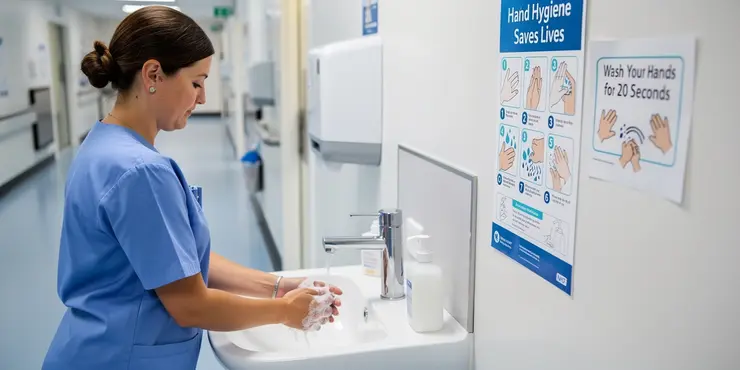
One of the most effective ways to prevent norovirus infection is by maintaining good hand hygiene. Wash your hands thoroughly with soap and water for at least 20 seconds, especially after using the toilet, changing nappies, and before eating or preparing food. Hand sanitizers can be a helpful adjunct, but they are not as effective against norovirus as soap and water.
Safe Food Handling
Norovirus can spread through contaminated food, making safe food handling practices essential. Always wash fruits and vegetables before consuming them. Ensure that shellfish, particularly oysters, are cooked thoroughly as they can harbour the virus. Avoid preparing food for others if you are experiencing symptoms of norovirus, as this can facilitate the spread of the virus through food.
Proper Cleaning and Disinfection
Regular cleaning and disinfection of surfaces are crucial in preventing the spread of norovirus. Use a bleach-based household cleaner or a disinfectant effective against norovirus to clean high-touch surfaces like door handles, light switches, and sinks. If someone in your household is infected, clean and disinfect all areas they have been in contact with immediately.
Avoid Close Contact with Infected Individuals
Norovirus spreads easily from person to person. If someone in your home or community is infected, limit close contact until at least 48 hours after their symptoms have ceased. This precaution helps reduce the risk of spreading the virus to others. Encourage infected individuals to remain at home and rest until fully recovered.
Stay Informed and Prepared
During norovirus outbreaks, stay informed through reliable sources such as the NHS or Public Health England for updates and recommendations. Being aware of local outbreaks can help you take necessary precautions, especially if you are part of or visiting vulnerable communities such as care homes or hospitals.
Conclusion
Preventing norovirus requires a commitment to hygiene and community health practices. By consistently washing hands, handling food safely, and cleaning your environment effectively, you can significantly reduce the risk of norovirus infection. Staying informed and limiting contact with infected individuals are also key factors in controlling the spread of this common virus in the UK.
Understanding Norovirus
Norovirus is a virus that makes people sick with tummy aches, vomiting, and diarrhea. It spreads quickly where lots of people are together, like at schools or on cruise ships. In the UK, norovirus often spreads more in winter. To stop it, we need to keep clean and wash our hands well.
Practice Good Hand Hygiene
Washing your hands can keep norovirus away. Use soap and water and wash for at least 20 seconds. Always wash your hands after you use the toilet, change nappies, and before you eat or make food. Hand sanitizers can help but they aren't as good as soap and water for norovirus.
Safe Food Handling
Norovirus can get into your body through food. Wash fruits and veggies before you eat them. Cook shellfish like oysters very well, to make sure they don't have the virus. If you're feeling sick, don't make food for others, as you could spread the virus through the food.
Proper Cleaning and Disinfection
Keeping things clean helps stop the virus. Use a cleaner with bleach to clean surfaces like door handles, light switches, and sinks. If someone in your home is sick, clean the places they touch often.
Avoid Close Contact with Infected Individuals
Norovirus spreads easily. If someone around you is sick, try not to be too close to them until at least 2 days after they feel better. This helps stop the virus from spreading. Ask people who are sick to stay at home until they are well again.
Stay Informed and Prepared
If norovirus is spreading around where you live, listen to trusted sources like the NHS to learn what to do. Knowing about outbreaks helps you stay safe, especially if you visit places like care homes or hospitals.
Conclusion
To stop norovirus, we need to wash our hands, handle food safely, and keep places clean. Staying informed and keeping away from sick people also helps. Let's work together to keep everyone healthy!
Frequently Asked Questions
Norovirus is a highly contagious virus that causes gastroenteritis, leading to symptoms like vomiting and diarrhea.
Norovirus is mainly spread through consuming contaminated food or water, contact with infected individuals, or touching contaminated surfaces.
Yes, practicing good hygiene, such as regular handwashing, can help prevent the spread of norovirus.
Wash your hands frequently, especially after using the restroom, before eating, and when caring for someone who is sick.
Use regular soap and water for at least 20 seconds. Alcohol-based hand sanitizers may not be as effective.
Yes, disinfecting surfaces with appropriate cleaners can kill norovirus and prevent its spread.
Use bleach-based solutions or other disinfectants certified to kill norovirus.
Yes, thoroughly washing fruits and vegetables can help remove potential traces of norovirus.
Avoid raw or undercooked shellfish, which are often linked to norovirus outbreaks.
Practice good hygiene, ensure food is properly cooked, and drink safe, bottled water.
Yes, avoid close contact with those who have symptoms to reduce your risk of infection.
Stay home and avoid preparing food for others for at least 48 hours after symptoms cease.
Wearing gloves while cleaning or handling contaminated items can help prevent transmission.
Healthcare settings should follow strict hygiene and sanitization protocols to prevent outbreaks.
Norovirus is not airborne, but aerosolized vomit droplets can lead to its spread.
Currently, there is no vaccine available for norovirus.
Yes, proper food handling, including cooking to safe temperatures, helps prevent its spread.
Young children, elderly individuals, and those with compromised immune systems are at higher risk.
Schools should ensure regular cleaning of surfaces, promote handwashing, and keep sick students at home.
Yes, norovirus can survive on clothing and fabrics, so wash contaminated items promptly and thoroughly.
Norovirus is a germ that spreads easily. It makes your stomach feel bad. You might throw up or have runny poop.
Norovirus spreads in a few ways. You can get it from:
1. Eating food or drinking water that has the virus.
2. Being close to someone who is sick with the virus.
3. Touching things that have the virus on them.
To help understand, try using pictures or videos. They can make it easier to learn about norovirus. You can also ask a parent or teacher to explain more if you need help.
Yes, washing your hands often helps stop the spread of norovirus.
Wash your hands often. Do this:
- After you go to the bathroom
- Before you eat
- If you help someone who is sick
Wash your hands with regular soap and water for at least 20 seconds. Hand sanitizers with alcohol might not work as well.
Yes, cleaning surfaces with the right cleaners can stop norovirus and stop it from spreading.
Use cleaners with bleach or special cleaners that are proven to kill norovirus germs.
Yes, washing fruits and vegetables very well can help get rid of norovirus germs.
Do not eat shellfish that is raw or not fully cooked. These can often make people sick with a bug called norovirus.
Keep clean, cook your food until it's done, and drink water from a sealed bottle.
Stay away from people who are sick. This helps you not get sick too.
Stay at home and do not make food for other people for at least 2 days after you feel better.
Wear gloves when you clean or touch dirty things. This can help stop germs from spreading.
Places that help people stay healthy, like hospitals, should be very clean. They must follow important rules to stop the spread of germs and keep everyone safe.
Tools that can help: Wash hands often, use hand sanitizer, and wear masks.
Norovirus does not travel through the air, but tiny drops from vomit can spread it.
Right now, there is no shot to stop people from getting norovirus.
Yes, handling food the right way and cooking it until it's hot enough can stop germs from spreading.
Young children, older people, and people who get sick easily are more at risk.
Schools need to keep things clean, help kids wash their hands, and ask sick kids to stay home.
Yes, norovirus can live on clothes and fabrics. Wash any dirty clothes right away and wash them well.

Ergsy Search Results
This website offers general information and is not a substitute for professional advice.
Always seek guidance from qualified professionals.
If you have any medical concerns or need urgent help, contact a healthcare professional or emergency services immediately.
Some of this content was generated with AI assistance. We've done our best to keep it accurate, helpful, and human-friendly.
- Ergsy carefully checks the information in the videos we provide here.
- Videos shown by Youtube after a video has completed, have NOT been reviewed by ERGSY.
- To view, click the arrow in centre of video.
- Most of the videos you find here will have subtitles and/or closed captions available.
- You may need to turn these on, and choose your preferred language.
- Go to the video you'd like to watch.
- If closed captions (CC) are available, settings will be visible on the bottom right of the video player.
- To turn on Captions, click settings.
- To turn off Captions, click settings again.