
Get Answers
The Importance of Modifying Yoga Practice During Pregnancy
Pregnancy is a time of significant physical and emotional changes, and it's important to adjust your yoga practice to support these changes effectively. Modifying your yoga routine during pregnancy can help ensure both your safety and comfort while maintaining the physical and mental benefits of yoga. Whether you are new to yoga or have an established practice, adapting your routines can help navigate the complexities of each trimester.
Consulting with Healthcare Professionals
Before making any modifications to your yoga practice, it's critical to consult with your healthcare provider. They can offer guidance based on your health history and any pregnancy-specific concerns. Once you have the green light, consider seeking advice from a certified prenatal yoga instructor who understands the nuances of practicing yoga safely during pregnancy.
Choosing the Right Yoga Styles and Poses
During pregnancy, certain yoga styles are more beneficial than others. Gentle styles such as Hatha, Iyengar, and prenatal yoga are generally recommended. These emphasize slow, controlled movements, breathing techniques, and poses that can be modified for safety and comfort. Avoid hot yoga and demanding styles like Ashtanga or Bikram, which can overheat the body and put undue stress on the joints.
Focus on poses that strengthen the legs, back, and pelvic floor, such as Warrior I, Warrior II, and Cat-Cow stretches. These poses help support the body as it changes and prepare it for childbirth. Avoid poses that involve lying flat on the back after the first trimester, deep backbends, and inversions unless you are experienced and have professional guidance. Substitute poses that compress the belly with side stretches and gentle twists to relieve tension without putting pressure on the abdomen.
Listening to Your Body
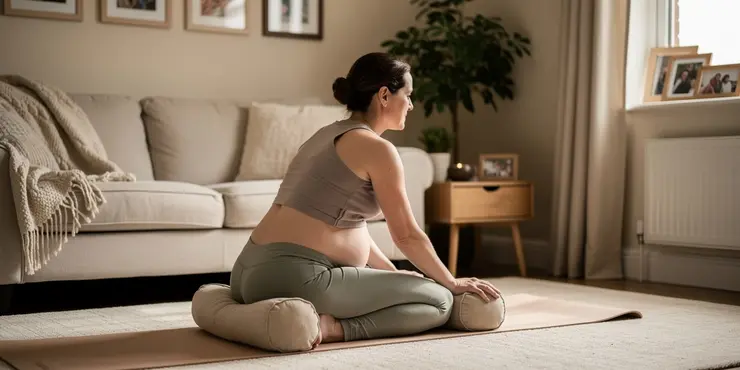
Listening to your body is crucial during pregnancy. Each day can come with different challenges and energy levels, so it's important to adapt your practice to how you feel each session. Use props like blocks, bolsters, and straps to help achieve balance and comfort in your poses. Take breaks whenever necessary, and incorporate more restorative poses and meditation into your practice.
Benefits of Modified Yoga During Pregnancy
Practicing modified yoga during pregnancy offers numerous advantages. It can reduce stress, improve sleep, increase strength and flexibility, and decrease lower back pain, which is common during pregnancy. Yoga also encourages mindful breathing and can help manage anxiety and promote relaxation, essential for both prenatal care and childbirth preparation.
By modifying your yoga practice, you can create a nurturing environment for yourself and your growing baby, ensuring that you enjoy a healthy, safe, and balanced pregnancy.
The Importance of Changing Yoga When Pregnant
Being pregnant means your body and feelings change a lot. It's important to change your yoga to help with these changes. This makes sure you are safe and comfortable while still getting exercise and feeling calm. Whether you are new to yoga or have done it before, changing your yoga can help you through each part of pregnancy.
Talk to Your Doctor First
Before you change how you do yoga, talk to your doctor. They can tell you what is safe for your health and your baby. After your doctor says it's okay, you can ask a yoga teacher who knows about pregnancy. They can help you do yoga safely while you are pregnant.
Pick the Right Yoga Styles and Poses
Some types of yoga are better when you are pregnant. It’s good to try gentle yoga like Hatha, Iyengar, and prenatal yoga. These types use slow movements and help you breathe and relax. Do not do hot yoga or hard yoga like Ashtanga or Bikram. They can make you too hot and hurt your joints.
Try poses that make your legs, back, and middle strong, like Warrior I, Warrior II, and Cat-Cow stretches. These help your body get ready for having the baby. Do not do poses lying flat on your back after the first few months, or bend back too much. If you are not sure, ask a teacher. Instead, do side stretches and gentle twists to feel better without pressing on your belly.
Listen to Your Body
Listen to how your body feels when pregnant. Some days are harder than others, so change your yoga to match how you feel. Use things like blocks and straps to help you stay balanced and comfortable. Rest when you need to, and do more relaxing poses and meditate.
Why Modified Yoga Helps During Pregnancy
Doing changed yoga while pregnant helps a lot. It can make you feel less stressed, help you sleep better, make you stronger and more flexible, and reduce back pain. Yoga also helps you practice calm breathing, which can help with feeling anxious and feeling relaxed, both while pregnant and getting ready to have the baby.
By changing your yoga routine, you make a safe and happy place for you and your baby, making sure you have a healthy and balanced pregnancy.
Frequently Asked Questions
During the first trimester, it's important to focus on gentle yoga practices and avoid poses that require a lot of balance or deep twisting. Listen to your body and avoid overexertion.
Inversions can be practiced with caution and ideally under guidance. If you are experienced with inversions and feel comfortable, they can be done, but it's generally a good idea to avoid them if you're unsure.
Avoid poses that compress the abdomen, deep twists, backbends, and lying flat on your back after the first trimester. Also, avoid hot yoga or any practice that raises your core temperature excessively.
Yoga can help alleviate pregnancy-related discomforts by improving flexibility, strength, circulation, and promoting relaxation. It can also help relieve lower back pain and swelling.
Yes, prenatal yoga is generally safe throughout the pregnancy, but it's always best to consult with your healthcare provider and work with a qualified prenatal yoga instructor.
In the second trimester, focus on poses that open the hips, strengthen the legs, and support the spine. Avoid lying flat on your back for long periods and be mindful of your balance.
Recommended yoga props for pregnancy include a yoga block, strap, bolster, and blanket. These can help support the body and make poses more comfortable.
Yes, you can practice yoga at home during pregnancy, but it's ideal to follow a prenatal yoga class or video that is specifically designed for pregnant individuals to ensure safety.
Yes, it's essential to inform your yoga instructor about your pregnancy so they can suggest suitable modifications and ensure your practice is safe and comfortable.
It's generally recommended to practice prenatal yoga 3-5 times a week, but listen to your body and adjust the frequency based on how you feel.
Yes, it can be safe to start prenatal yoga as a beginner during pregnancy. Look for classes specifically tailored for pregnant individuals and start gradually.
Yoga teaches breathing techniques that can help with relaxation and managing stress. These techniques can also be useful during labor and delivery.
Wear comfortable, breathable clothing that allows for a full range of motion. Consider wearing layers to adjust for body temperature changes.
Yes, yoga can help prepare the body for labor and delivery by improving strength, flexibility, and mental focus, as well as teaching useful breathing techniques.
Avoid high-intensity yoga styles such as Bikram or Ashtanga unless you are accustomed to these and have modified them appropriately for pregnancy.
Prenatal yoga can improve sleep, reduce stress and anxiety, increase strength and flexibility, decrease lower back pain, and prepare the body for childbirth.
Yes, yoga is known for its calming effects and can be very effective in reducing stress and promoting relaxation during pregnancy.
Safe poses include cat-cow stretch, pelvic tilts, warrior poses, and seated forward bends. These poses support the back and pelvic floor muscles.
As your belly grows, use props like blocks and bolsters to create more space and support. Focus on poses that allow for space around the belly and avoid any pressure on the abdomen.
Staying hydrated is crucial because it helps maintain body temperature, supports the increased blood volume during pregnancy, and prevents dehydration, which can lead to complications.
In the first few months of pregnancy, it is good to do gentle yoga. Don't do poses that need a lot of balance or twisting. Listen to your body and don't push yourself too hard.
Inversions are when you go upside down. It's a good idea to practice them carefully. It's best if someone helps you. If you know how to do them and feel safe, you can try. But if you are not sure, it might be better not to do them.
Do not do poses that press on your belly. Do not do deep twists or big back bends. Do not lie flat on your back after the first three months. Also, stay away from hot yoga or anything that makes you too hot.
Yoga is a way to exercise and relax. It can help pregnant people feel better. Yoga can make your body more bendy and strong. It helps blood move nicely in your body. Yoga also makes you feel calm and can help if your back hurts or if your feet and hands get puffy.
If reading is sometimes hard, tools like audiobooks can help. Also, colored overlays can make reading easier.
Yes, doing yoga while you are pregnant is usually safe. But it's a good idea to ask your doctor first. You should also find a yoga teacher who knows how to teach pregnant women.
In the second part of your pregnancy, do exercises that help open your hips, make your legs strong, and support your back. Don't lie flat on your back for a long time. Be careful to keep your balance.
When you do yoga and you are pregnant, some things can help you. You might use a yoga block, a strap, a big soft cushion called a bolster, and a blanket. These things help your body feel comfy and safe in yoga poses.
Yes, you can do yoga at home when you are pregnant. It is best to use a special yoga class or video made for pregnant people to stay safe.
Yes, you should tell your yoga teacher that you are pregnant. This helps them give you exercises that are safe and feel good for you.
It is usually good to do prenatal yoga 3 to 5 times a week. But make sure you listen to your body and change how often you do it if you feel tired or need to rest.
Yes, it can be safe to start yoga for pregnant people, even if you are a beginner. Find classes made just for pregnant people, and start slowly.
Yoga shows you how to breathe in ways that help you relax and feel less stressed. These ways of breathing can also help when a baby is being born.
Wear comfy clothes that let you move easily. Make sure they help keep your body cool. You can wear layers, like a t-shirt and a jumper, so you can take off or put on clothes when you feel too hot or cold.
Yes, doing yoga can help your body get ready for having a baby. It makes you stronger, helps you move more easily, and makes you feel calm. Yoga also teaches you how to breathe in ways that can help during the birth.
If you find reading hard, you can try using tools that read the text out loud. Or, you can ask a friend or family member to read with you.
Don't do tough yoga types like Bikram or Ashtanga unless you know them well and have made them safe for when you are pregnant.
Prenatal yoga can help you sleep better. It makes you feel less stressed and worried. It makes your body stronger and more flexible. It helps your back hurt less, and gets your body ready for having a baby.
Yes, yoga helps you feel calm. It can make you feel less stressed and more relaxed when you are pregnant.
Here are some safe exercises you can try:
- Cat-Cow Stretch: This helps your back feel better.
- Pelvic Tilts: Good for your tummy and back muscles.
- Warrior Poses: Makes your legs and back strong.
- Seated Forward Bends: Gently stretches your back.
These exercises can help make your back and pelvic area stronger.
As your tummy gets bigger, use things like blocks and cushions to help you. Do poses that give your tummy lots of space and don’t let anything press on it.
Drinking enough water is very important. It helps keep our body temperature normal. It also helps with more blood in the body when you are pregnant. Not drinking enough water can make you sick.

Ergsy Search Results
This website offers general information and is not a substitute for professional advice.
Always seek guidance from qualified professionals.
If you have any medical concerns or need urgent help, contact a healthcare professional or emergency services immediately.
Some of this content was generated with AI assistance. We've done our best to keep it accurate, helpful, and human-friendly.
- Ergsy carefully checks the information in the videos we provide here.
- Videos shown by Youtube after a video has completed, have NOT been reviewed by ERGSY.
- To view, click the arrow in centre of video.
- Most of the videos you find here will have subtitles and/or closed captions available.
- You may need to turn these on, and choose your preferred language.
- Go to the video you'd like to watch.
- If closed captions (CC) are available, settings will be visible on the bottom right of the video player.
- To turn on Captions, click settings.
- To turn off Captions, click settings again.