
Speak To An Expert
Get clear, personalised advice for your situation.
Jot down a few questions to make the most of your conversation.
Understanding Post-Treatment Care
Post-treatment care is crucial when returning home from the EU after medical treatment. It involves ongoing health management and regular monitoring to ensure recovery. Proper post-treatment care can prevent complications and facilitate a smooth recovery process.
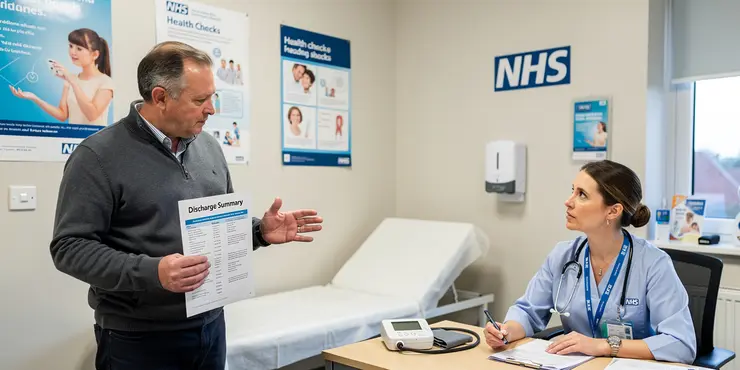
Before leaving the EU, obtain a detailed discharge summary from your healthcare providers. This should include a list of medications, follow-up care instructions, and any necessary lifestyle adjustments. Having this information on hand is vital for coordinating care with your UK medical team.
Coordinating with UK Healthcare Providers
Once back in the UK, schedule a follow-up appointment with your GP or specialist. Share your discharge summary and any additional documentation you received. This helps your UK healthcare providers understand the treatment you received and continue your care appropriately.
Ensure your UK doctor is aware of any medications you have been prescribed. They may need to prescribe similar treatments available within the UK. Maintaining this continuity of care is essential for your recovery.
Managing Medications and Prescriptions
Review your medication list with your GP or pharmacist upon return. Verify that you can correctly access the medications you were prescribed in the EU. This might involve switching to UK-approved equivalents.
Set reminders to take your medications as prescribed to avoid missing doses. Sticking to your medication routine is important to ensure effective treatment and prevent any setbacks in your recovery.
Following Lifestyle and Dietary Recommendations
Pay attention to any lifestyle or dietary changes recommended by your EU healthcare providers. These changes can significantly impact your recovery process. Maintain a balanced diet and engage in any recommended physical activities as advised.
Consult with a dietitian or physiotherapist in the UK if you need further guidance. Professional assistance can ensure that you are following the best plan tailored to your needs and conditions.
Accessing Support Services
Consider joining support groups or accessing counseling services to help manage recovery. Emotional support is a critical component of post-treatment care and can aid in addressing any anxieties or challenges faced during recovery.
Seek advice from patient support organizations for specific conditions. These resources can offer valuable insights and connections with others who have undergone similar treatments.
Staying Informed and Prepared
Keep records of all your medical appointments, treatment plans, and any communication with healthcare providers. This helps you monitor your progress and ensures all involved parties are informed.
Plan for potential follow-up trips to the EU if ongoing care is required. Understanding travel and health insurance coverage for such needs is crucial to avoid unexpected expenses.
Frequently Asked Questions
Make sure to consult with your healthcare provider about post-treatment instructions and obtain all necessary medical records and prescriptions before your departure.
Ensure you have an adequate supply of prescribed medications, understand the dosage instructions, and arrange follow-up consultations with local healthcare providers if necessary.
Consult with a nutritionist or dietician if needed and create a plan to integrate recommended changes into your daily routine gradually.
Reach out to mental health professionals, support groups, or counselors to manage emotional health and recovery stresses.
Utilize digital tools like calendar apps or health management apps to schedule and get reminders about upcoming medical appointments and tests.
Provide your local doctor with complete medical documentation from the EU, including treatment summaries and any specific care instructions.
Consult with your healthcare provider to develop a safe physical activity plan, and consider working with a physical therapist if recommended.
Contact your healthcare provider immediately to assess the situation and receive appropriate care or guidance.
Involve family members by sharing post-care instructions, and engage them in helping with tasks that may be challenging during recovery.
Ensure you have access to necessary medical equipment prescribed by your EU healthcare provider, and understand how to use and maintain it properly.
Seek recommendations from your EU healthcare team, connect with local healthcare networks, and verify providers’ credentials and reviews.
Discuss any differences with your local healthcare provider and seek a collaborative approach that integrates both practices effectively.
Explore reputable online medical resources, local libraries, and patient education programs for information about your condition and recovery.
Review your health insurance policy, explore if any additional coverage is needed, and discuss payment options with healthcare providers if necessary.
Ensure compliance with data protection laws such as GDPR and local regulations by encrypting sensitive information and sharing only with authorized personnel.
Schedule regular check-ins, prepare questions in advance, and be open about your symptoms and changes during consultations.
Use translation services or apps to help with communication, and consider having a translator present for important consultations.
Contact your EU healthcare provider or institution directly for access or additional copies of your medical records if necessary.
Follow hygiene practices recommended by your healthcare provider, avoid environments with high infection risk, and ensure wounds or surgical sites are kept clean.
Discuss any supplements or alternative treatments with your healthcare provider to ensure they are safe and appropriate for your condition and treatment.

Ergsy Search Results
This website offers general information and is not a substitute for professional advice.
Always seek guidance from qualified professionals.
If you have any medical concerns or need urgent help, contact a healthcare professional or emergency services immediately.
Some of this content was generated with AI assistance. We've done our best to keep it accurate, helpful, and human-friendly.
- Ergsy carefully checks the information in the videos we provide here.
- Videos shown by Youtube after a video has completed, have NOT been reviewed by ERGSY.
- To view, click the arrow in centre of video.
- Most of the videos you find here will have subtitles and/or closed captions available.
- You may need to turn these on, and choose your preferred language.
- Go to the video you'd like to watch.
- If closed captions (CC) are available, settings will be visible on the bottom right of the video player.
- To turn on Captions, click settings.
- To turn off Captions, click settings again.