
Get Answers
Introduction
Air quality is an important factor in maintaining good health. With increasing concerns about pollution, it is essential to track air quality alerts, especially if you are living in urban areas in the UK. Various resources are available to keep you informed about the air quality in your location. This guide will outline several methods to find air quality alerts in your area.
Visit Government Websites
The UK government provides up-to-date air quality information through the Department for Environment, Food and Rural Affairs (DEFRA) website. DEFRA’s Air Information Resource (UK-AIR) offers comprehensive data, including air pollution forecasts and real-time alerts. You can visit their official site and enter your postcode to receive specific updates about your area.
Utilise Mobile Applications
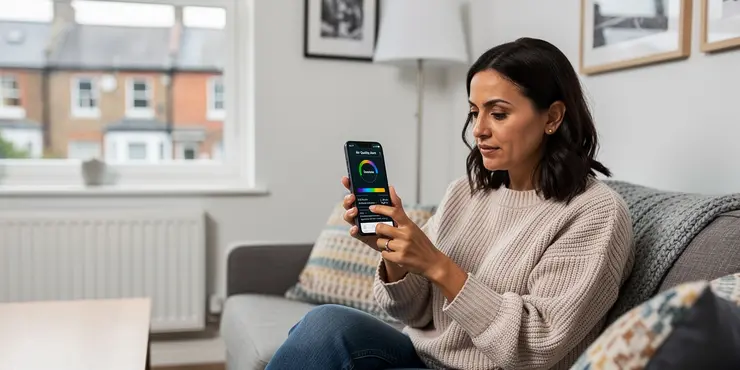
There are several mobile applications available that offer real-time air quality updates. Apps like “Air Quality Index” or “Plume Labs: Air Report” are incredibly popular and provide detailed insights into local air conditions. These apps often use your phone’s GPS to give you tailored information based on your current location, making it convenient to stay informed on-the-go.
Local News and Weather Services
Local news services and weather channels often report on air quality, especially during high pollution periods. Tuning into BBC Weather or checking regional news websites can provide alerts and forecasts. Many of these services offer free mobile apps that send notifications directly to your phone, ensuring you never miss an alert.
Sign Up for Alerts
Some services allow you to sign up for email or SMS alerts regarding air quality. For instance, the DEFRA website offers the option to receive regular updates on air quality in your chosen area. These alerts are beneficial if you prefer getting updates directly without having to manually check websites or apps.
Community Initiatives and Social Media
Various community-led initiatives also monitor air quality and share information via social media platforms like Twitter and Facebook. Following local environmental groups or city council pages can provide additional insights and updates. They often share practical tips on reducing exposure during poor air quality episodes.
Conclusion
Being informed about air quality alerts is crucial for health and well-being, particularly for vulnerable groups such as children, the elderly, and individuals with pre-existing health conditions. By utilising government resources, mobile apps, local news, and community networks, you can stay updated and take necessary precautions when air quality is compromised.
Introduction
Air quality means how clean or dirty the air is. Good air is important for staying healthy. Pollution can make the air dirty, so it is important to know the air quality if you live in a city in the UK. This guide will show you how to check air quality alerts in your area.
Visit Government Websites
The UK government has a website where you can check air quality. This website is run by DEFRA. DEFRA stands for Department for Environment, Food and Rural Affairs. You can go to the DEFRA website and type in your postcode. This will give you information about the air quality where you live.
Use Mobile Apps
You can use apps on your phone to check air quality. Apps like “Air Quality Index” or “Plume Labs: Air Report” can tell you about the air near you. These apps use your phone to find your location and give you updates. This is an easy way to stay informed.
Check Local News and Weather Services
Local news and weather channels can tell you about air quality too. Watch BBC Weather or check news websites for updates. They often have free apps that can send alerts to your phone. This way, you will always know if the air quality is bad.
Sign Up for Alerts
You can get air quality alerts sent to your email or phone. The DEFRA website lets you sign up for these alerts. This is a good way to get updates without having to check the website or apps all the time.
Follow Community Groups and Use Social Media
Community groups on social media like Twitter and Facebook also share air quality information. Follow local environmental groups or city council pages to see updates. They may also share tips on how to stay safe when the air quality is bad.
Conclusion
Knowing about air quality is important, especially for kids, older people, and those with health problems. You can keep track of air quality using government websites, mobile apps, news, and community groups. This helps you stay safe and healthy when the air is not good.
Frequently Asked Questions
Air quality alerts in my area are public notices issued when pollution levels are expected to reach unhealthy ranges. They help people limit exposure and take precautions during poor air quality events.
You can check current air quality alerts in my area through government air quality websites, weather apps, local news, and environmental agency notifications. Many services also provide email, text, or app-based alerts.
Different air quality alert levels in my area usually indicate how unhealthy the air is and who may be affected. Lower levels may advise sensitive groups to reduce activity, while higher levels may call for everyone to limit outdoor exposure.
People most affected by air quality alerts in my area include children, older adults, pregnant people, and those with asthma, COPD, heart disease, or other respiratory conditions. Outdoor workers and athletes may also be at higher risk.
During air quality alerts in my area, reduce strenuous outdoor activity, keep windows closed if recommended, use clean indoor air methods, and follow guidance from local health authorities. If you have a medical condition, follow your doctor’s advice.
Air quality alerts in my area can last a few hours, a full day, or several days depending on weather, wildfire smoke, traffic pollution, dust, or industrial emissions. The duration usually ends when air conditions improve.
It is often better to avoid or reduce outdoor exercise during air quality alerts in my area, especially when pollution levels are high. If you must be active, choose lower-intensity activities and consider moving indoors.
Air quality alerts in my area can affect children because their lungs are still developing and they breathe more air relative to body size. It is usually best to limit outdoor play and monitor for coughing, wheezing, or shortness of breath.
Air quality alerts in my area can trigger asthma symptoms such as coughing, chest tightness, wheezing, and shortness of breath. People with asthma should keep rescue medication nearby and follow their asthma action plan.
Whether you should open windows during air quality alerts in my area depends on the source of pollution and local guidance. In many cases, keeping windows closed helps reduce indoor pollution, especially during smoke or smog events.
Helpful indoor steps during air quality alerts in my area include using HEPA air cleaners, replacing HVAC filters with higher-efficiency ones if compatible, avoiding smoking indoors, and limiting candles, incense, or frying that creates smoke.
You can sign up for air quality alerts in my area through local environmental agencies, air monitoring apps, weather services, or public health notification systems. Many offer free email, SMS, or push notifications.
Air quality alerts in my area are related to environmental health, while weather alerts focus on storms, heat, or other meteorological hazards. They often work together because weather conditions can influence pollution levels.
Common causes of air quality alerts in my area include wildfire smoke, ozone buildup on hot sunny days, vehicle emissions, industrial pollution, dust, and temperature inversions that trap pollutants near the ground.
Yes, air quality alerts in my area can happen in winter due to wood burning, temperature inversions, wildfire smoke, and pollution trapped by stagnant air. Cold weather does not prevent poor air quality from occurring.
Air quality alerts in my area are based on monitoring data, weather forecasts, and pollution models, so they are usually reliable but can change as conditions shift. Checking updates regularly helps you stay prepared.
If air quality alerts in my area say the air is unhealthy for everyone, reduce time outdoors, avoid strenuous activity, and use clean indoor air strategies. Sensitive groups should be especially cautious and may need to stay inside more strictly.
Air quality alerts in my area can also affect pets, especially dogs, birds, and animals with heart or lung conditions. Limit outdoor time, avoid vigorous exercise, and watch for coughing, lethargy, or breathing changes.
The best app for air quality alerts in my area is one that uses nearby monitoring data, sends timely notifications, and shows clear health guidance. Popular options often include local government apps, weather apps, and dedicated air quality apps.
To prepare for future air quality alerts in my area, set up notifications, keep spare filters and masks if recommended, know your indoor clean-air options, and have a plan for children, older adults, and anyone with breathing conditions.

Ergsy Search Results
This website offers general information and is not a substitute for professional advice.
Always seek guidance from qualified professionals.
If you have any medical concerns or need urgent help, contact a healthcare professional or emergency services immediately.
Some of this content was generated with AI assistance. We've done our best to keep it accurate, helpful, and human-friendly.
- Ergsy carefully checks the information in the videos we provide here.
- Videos shown by Youtube after a video has completed, have NOT been reviewed by ERGSY.
- To view, click the arrow in centre of video.
- Most of the videos you find here will have subtitles and/or closed captions available.
- You may need to turn these on, and choose your preferred language.
- Go to the video you'd like to watch.
- If closed captions (CC) are available, settings will be visible on the bottom right of the video player.
- To turn on Captions, click settings.
- To turn off Captions, click settings again.