
Find Help
More Items From Ergsy search
-
How can I find out if my medical data has been leaked?
Relevance: 100%
-
How do water companies detect leaks?
Relevance: 67%
-
How does public reporting contribute to fixing leaks?
Relevance: 59%
-
Why is it challenging to fix water leaks in the UK?
Relevance: 57%
-
What is a data breach?
Relevance: 56%
-
What are common signs of leaks in water infrastructure?
Relevance: 55%
-
How can I find out if my data was part of a breach?
Relevance: 49%
-
What type of information can be exposed in a data breach?
Relevance: 45%
-
Are companies required to inform me if my data is breached?
Relevance: 44%
-
Can I prevent my data from being included in a breach?
Relevance: 41%
-
Can I recover data once it has been breached?
Relevance: 41%
-
What percentage of water is lost through leaks in the UK?
Relevance: 40%
-
Why are emails often targeted in data breaches?
Relevance: 40%
-
How do I know if my personal information was part of a data breach?
Relevance: 40%
-
What should drivers do if there are errors in their digital license data?
Relevance: 39%
-
Judicial Review Sought Over NHS Data Sharing Agreements
Relevance: 39%
-
What should I do if I find my information in a data breach?
Relevance: 39%
-
How are new technologies helping to reduce water loss in the UK?
Relevance: 37%
-
Do I have the right to access electronic medical records?
Relevance: 36%
-
Are there privacy protections for my medical records?
Relevance: 35%
-
What role do password managers play in data breach prevention?
Relevance: 35%
-
Is hypotony a medical emergency?
Relevance: 34%
-
Are there any exceptions to my right to access my medical records?
Relevance: 34%
-
Do I have the right to know who has accessed my medical records?
Relevance: 34%
-
What kind of studies are conducted to investigate links between medications and autism?
Relevance: 33%
-
Is my healthcare provider obligated to correct errors in my medical records?
Relevance: 32%
-
How often should I check for data breaches?
Relevance: 32%
-
Can my medical records be withheld for any reasons?
Relevance: 31%
-
Can a healthcare provider share my medical records with other providers?
Relevance: 31%
-
Can I request corrections to my medical records?
Relevance: 31%
-
How can the risks and benefits of medications during pregnancy be assessed?
Relevance: 31%
-
Do I have a right to see my medical records?
Relevance: 31%
-
Can I receive my medical records in a specific format, such as electronically?
Relevance: 30%
-
How do I request corrections to my medical records?
Relevance: 30%
-
High Court Rules on Controversial Data Privacy Case
Relevance: 30%
-
How can I request access to my medical records?
Relevance: 30%
-
Can my employer access my medical records without my consent?
Relevance: 30%
-
Are there any fees associated with obtaining my medical records?
Relevance: 29%
-
Are GLP-1 medications injectable?
Relevance: 29%
-
What should I do if I am denied access to my medical records?
Relevance: 28%
Understanding the Risks of Medical Data Leaks
Medical data breaches can have serious consequences for individuals. Sensitive information, such as medical history and personal details, may be exposed. This can lead to identity theft and privacy violations.
Medical data is valued highly on the black market. Criminals may use your health data for fraudulent activities. It's important to be vigilant and protect your personal information.
Checking for Known Data Breaches
First, find out if there are any known breaches. Websites like Have I Been Pwned can inform you if your data was compromised. Simply enter your email address to check for breaches.
Regularly monitor news outlets for reports of medical breaches. Organizations are required to notify individuals affected by data breaches. Stay informed through trusted sources.
Monitoring Your Accounts for Unusual Activity
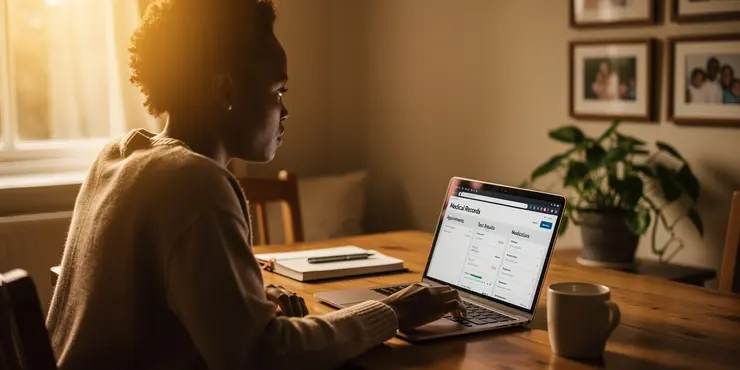
Review your medical records and accounts regularly. Look for any unexplained changes or unfamiliar entries. This can indicate unauthorized access to your data.
Keep an eye on your financial accounts and credit reports. Unexpected charges or new accounts may signal misuse of your information. Early detection can prevent further damage.
Contacting Your Healthcare Provider
If you suspect a breach, contact your healthcare provider immediately. They may provide information and steps to secure your data. Ask about their procedures for dealing with data breaches.
Find out what measures they have in place to protect your information. It's crucial to understand their data security policies. This knowledge can empower you to take appropriate action.
Taking Preventative Measures
Use strong, unique passwords for your online healthcare accounts. Change your passwords regularly to increase security. Avoid using easily guessed information.
Enable two-factor authentication whenever possible. This adds an extra layer of security to your accounts. Be cautious about sharing personal information online.
Reporting and Seeking Further Help
If you discover a data breach, report it to the Information Commissioner's Office (ICO). They handle data protection issues in the UK. You can also seek advice from Citizens Advice if you're affected by a data breach.
Consider consulting a data protection lawyer for legal guidance. They can help you understand your rights and options. Taking swift action can minimize the impact of a data breach.
Understanding the Risks of Medical Data Leaks
When medical data gets out, it can cause big problems. Important information like your medical history and personal details might be shown to others. This can lead to identity theft, which means someone pretends to be you, and it can make you lose your privacy.
Medical data can be sold illegally. Bad people might use your health information to do bad things. It's important to keep your information safe and be careful with it.
Checking for Known Data Breaches
First, check if your data has been leaked. You can use websites like Have I Been Pwned to see if your information is safe. Just type in your email address to find out.
Watch the news to hear if there are new data leaks. Companies must tell you if your data is leaked. Make sure you learn from sources you trust.
Monitoring Your Accounts for Unusual Activity
Look at your medical records and accounts often. Check if there are changes you don't know about. Strange changes might mean that someone else is using your data.
Keep track of your money accounts and credit reports too. If you see unexpected money movement or new accounts, this might mean someone else is using your information. Catching this early can stop more problems.
Contacting Your Healthcare Provider
If you think your data is leaked, talk to your healthcare provider right away. They can tell you what to do to keep your data safe. Ask them how they handle data leaks.
Learn what they do to protect your information. Knowing their safety rules helps you take the right steps to protect yourself.
Taking Preventative Measures
Make strong and different passwords for your online health accounts. Change your passwords often to stay safe. Don’t use easy-to-guess words.
Use two-factor authentication when you can. This adds more security to your accounts. Be careful about sharing your personal information online.
Reporting and Seeking Further Help
If you find a data leak, tell the Information Commissioner's Office (ICO). They help with data problems in the UK. You can also ask Citizens Advice for help if a data leak happens to you.
Think about talking to a data protection lawyer for advice. They can help you understand what you can do. Acting quickly can help stop bad effects from a data leak.
Frequently Asked Questions
How can I check if my medical data has been leaked?
To check if your medical data has been leaked, you can use data breach notification services like Have I Been Pwned, monitor notifications from your healthcare provider, and keep an eye on news related to data breaches in healthcare.
What should I do first if I suspect my medical data has been leaked?
If you suspect your medical data has been leaked, first confirm the breach by checking reliable sources or notifications from your healthcare provider. Then, change passwords for your medical accounts, and monitor your accounts for suspicious activities.
Are there any specific websites to check for medical data breaches?
Yes, you can use general breach checking websites like Have I Been Pwned, as well as follow the U.S. Department of Health & Human Services' breach portal for healthcare-related breaches.
Will I be directly notified if my medical data is leaked?
Under HIPAA, healthcare organizations are required to notify affected individuals when there's a breach of unsecured health information, so you may receive a notification directly from your healthcare provider.
What information is typically included in a medical data breach notification?
A notification usually includes details about what happened, the types of data involved, the steps the organization is taking in response, and what you can do to protect yourself.
How can I protect my medical data from being leaked?
Use strong, unique passwords for your medical accounts, enable two-factor authentication when available, and regularly review your medical records for any unauthorized disclosures.
What kind of information is considered as medical data?
Medical data can include your medical history, treatment records, test results, insurance information, and any personally identifiable information collected during healthcare services.
Why is it important to know if my medical data has been leaked?
Knowing if your medical data has been leaked is important because it contains sensitive personal information that can be used for identity theft, fraud, and other malicious activities.
Can a medical data leak affect my healthcare?
Yes, inaccuracies in your medical records due to a data breach could affect your treatment, and unauthorized access to your data could impact service availability or cost.
How often should I check for medical data breaches?
Regularly monitor notifications from your healthcare providers and set up alerts with data breach checking services to stay informed about any potential breaches.
What should I do if I receive a notification about a medical data breach?
Follow the instructions in the notification, monitor your accounts for unusual activity, and consider placing a fraud alert or credit freeze with credit reporting agencies.
Is my medical data safe in electronic medical records (EMRs)?
While EMRs are generally secure, they are still vulnerable to cyber attacks just like any digital information. Ensure your healthcare provider uses strong security measures to protect this data.
Who can access my medical data legally?
Only authorized healthcare providers, insurance companies, and entities involved in your care and billing can access your medical data—subject to your consent and privacy laws.
What are some common causes of medical data breaches?
Common causes include hacking, unauthorized access or disclosure of data, loss or theft of devices containing data, and improper disposal of records.
Can I claim compensation if my medical data is leaked?
Depending on the jurisdiction, you may have legal recourse if you suffer harm due to negligence in protecting your data. Consult with a legal professional to explore options.
How can I monitor my medical records for unauthorized changes?
Request access to your medical records periodically and use any patient portals provided by your healthcare provider to monitor your records for any unauthorized changes.
Is health insurance data included in medical data breaches?
Yes, health insurance data can be part of a medical data breach, which might include details like policy numbers, provider information, and billing data.
What technologies are used to protect medical data?
Technologies include encryption, secure access controls, firewalls, and intrusion detection systems, which are used to protect medical data from unauthorized access.
Should I be worried about phishing if my medical data is leaked?
Yes, if your medical data is leaked, criminals may use it to craft more convincing phishing attacks targeting you, so be vigilant about verifying requests for personal information.
What role does HIPAA play in medical data security?
HIPAA sets standards for protecting the privacy and security of health information, requiring healthcare organizations to implement safeguards to protect patient data.
How can I find out if my medical info is not safe?
Here are some tips to help you:
- Use a website like "Have I Been Pwned?" This site can show if your info is part of a data leak. You just need to type in your email.
- Get alerts on your email. Some services can send you a message if they find your info in a leak.
- Check for strange activity. If you see things like a doctor bill you don’t know about, tell someone right away.
If you need help, ask someone you trust to guide you.
You can find out if your medical information has been taken by doing a few things. Use websites like "Have I Been Pwned" to check. Watch for messages or letters from your doctor or hospital. Also, look at news stories about health information leaks.
What to Do if You Think Your Health Information Has Been Shared Without Permission
If you think your health details have been shared:
1. **Stay Calm** - Take a deep breath and try not to worry too much.
2. **Tell an Adult You Trust** - Talk to a parent, teacher, or another adult who can help you.
3. **Use a Phone** - You might need to call someone or a company for help. Ask for assistance if you need it.
4. **Write it Down** - Keep a record of what you know and what happened.
5. **Ask for Help** - Look for tools like books or online guides with information for understanding data safety.
If you think someone has seen your private health information, follow these easy steps:
First, check to make sure your information was shared. Look at messages from your doctor or other trusted places.
Next, change the secret words you use to log into your health accounts.
Then, keep an eye out for anything strange happening with your accounts.
If you need extra help, you can use tools like password managers to keep your passwords safe or ask someone you trust for help.
Can I look online to see if my medical data is safe?
Yes, you can use websites to check if there is a problem with your information, like Have I Been Pwned. You can also look at the U.S. Department of Health & Human Services' website. They have a special place to see if there are any problems with healthcare information.
Will someone tell me if my medical information gets shared by mistake?
If a healthcare company loses or doesn’t protect your health information, they must tell you. You might get a message from your doctor or hospital.
What is in a letter or message about a medical data problem?
If there is a problem with medical data, you might get a letter or message. Here are things you will usually find in it:
- What Happened: A short explanation of what went wrong and how.
- When It Happened: The date when the problem started and when they found it.
- What Information Was Involved: They will tell you what kind of information might have been shared, like your name, birthday, or medical details.
- What They Are Doing: What the company or group is doing to fix the problem and make sure it doesn’t happen again.
- What You Can Do: Steps you can take to protect yourself, like checking your bank account or changing passwords.
- Contact Information: Who you can talk to for more help or if you have questions.
If you find it hard to read letters, use a ruler to help you line by line, or ask someone you trust to help explain it to you.
A notification is a message that tells you important information. It says what happened and what kind of information is affected. It also tells you what the company is doing to fix things and how you can keep yourself safe.
How can I keep my medical information safe?
Your medical information is private. Here are some simple ways to keep it safe:
- Use strong passwords on your online accounts.
- Never share your passwords with others.
- Only give your medical information to people you trust.
- Ask your doctor or hospital how they keep your information safe.
- Check your medical records often to make sure they are correct.
If you need help, you can ask a trusted friend or family member.
Use strong passwords that no one else knows for your medical accounts. If you can, use two steps to log in for more safety. Check your medical files often to make sure no one else sees them without asking you.
What is medical data?
Medical data is information about a person's health. This can include:
- Doctor's notes
- Test results
- Treatments
- Medicine taken
- Allergies
To help understand medical data, you can:
- Ask a doctor to explain
- Use pictures or diagrams
- Read with someone you trust
Medical data is information about your health. It includes:
- Your health history
- Records of treatments you've had
- Results from medical tests
- Your insurance details
- Any personal information from your doctor visits
Helpful tips:
- Use a notepad app to keep track of your health records.
- Ask a family member to help you organize your medical papers.
- Look for special apps or websites that make reading medical information easier.
Why is it important to know if my medical information has been shared?
It is important to know if someone has seen your medical information because:
- Your health information is private. It is just for you and your doctor.
- If others see it, they might use it without asking you.
- Knowing who has your information helps keep it safe.
Here are some things you can do to protect your information:
- Ask your doctor how they keep your data safe.
- Check your health records often.
- Use a strong password if you have an online health account.
It is important to know if your medical information is safe. This is because it has private details about you. If someone bad gets this information, they could pretend to be you or do other bad things.
Can a medical data leak change my healthcare?
A medical data leak is when private health information is shared without permission. This might cause problems for you.
If your medical data leaks:
- Your personal details, like name and address, may be shared.
- Your health details might get into the wrong hands.
- People might use your information without asking.
This could lead to:
- Confusion with your medical treatments.
- Mix-ups with your healthcare records.
- Stress or worry about privacy.
To protect your medical data you can:
- Ask your healthcare provider how they keep your data safe.
- Check privacy settings if you use online health services.
If you are worried, talk to someone who can help explain what to do next, like a doctor or a family member.
Yes, mistakes in your medical records because of a data leak can change your treatment. If someone sees your information without permission, it might also change how easy it is to get help or how much it costs.
How often should I check for medical data leaks?
Check messages from your doctors often. Use special tools to get alerts if your info is not safe.
What to Do if You Get a Message About a Medical Data Breach?
If you get a message saying your medical information might not be safe, here are some steps to help you: 1. **Stay Calm:** It's important to stay calm and read the message carefully. 2. **Check the Details:** Make sure the message is from a real source. Look for names, dates, and contact information. 3. **Ask for Help:** If you find the message hard to understand, ask someone you trust to help you read it. 4. **Contact for More Information:** Reach out to the phone number or email in the message to ask questions if you need more information. 5. **Protect Your Information:** Think about changing your passwords and monitoring your bank account and medical records for anything unusual. For more help understanding these steps, you might use tools like a dictionary or apps that read text aloud.Follow these steps. Check the message you got and do what it says. Look at your bank and credit accounts often to see if anything strange happens. You can also put a "fraud alert" or "credit freeze" on your accounts to help keep them safe. You can ask credit companies to help you with this.
Is my medical information safe in computer records?
Your medical information is put into a computer system called Electronic Medical Records (EMRs).
Here are some ways to know if it is safe:
- Doctors and nurses are trained to keep your information private.
- Computers have special locks (like passwords) to keep your information safe.
- Only people who are allowed can see your medical information.
If you have questions, you can:
- Ask your doctor to explain how they keep your information safe.
- Request help from someone you trust if you need more support understanding this.
- Use tools like picture cards or simple videos to learn more about EMRs.
EMRs are computers that keep your health information safe. But, just like other computers, they can sometimes get attacked. It’s important that your doctor’s office uses strong safety rules to keep your information safe.
Who is allowed to see my medical information?
Only people like doctors and nurses who take care of you, insurance companies that pay your medical bills, and helpers who manage your care and payment can see your medical information. They need your permission and must follow privacy rules.
Why do medical data leaks happen?
Here are some common reasons:
- Weak Passwords: Using easy passwords makes it simple for others to break in.
- Hacker Attacks: Sometimes people try to enter systems without permission.
- Lost Devices: Phones or computers with important data can be lost.
- Insider Mistakes: Workers sometimes make mistakes that leak data.
To stay safe, use strong passwords and keep devices secure. If you need help, ask someone you trust.
Some common reasons for problems with data are:
- Hacking: This is when someone breaks into a computer or system.
- Unauthorized access: This happens when someone looks at data they are not allowed to see.
- Data loss: This is when data gets lost or is stolen.
- Improper disposal: This is when records are not thrown away safely.
Using strong passwords and being careful online can help keep data safe.
Can I get money if my doctor information is shared by mistake?
If someone doesn't keep your data safe and you get hurt because of it, you might be able to use the law to help you. Talk to a lawyer to find out what you can do.
How can I check my medical records for changes I did not make?
It is important to look after your health records. These records have important information about your health and care.
Here are some easy steps to help you check your records:
- Ask a family member, friend, or carer to help you if you need support.
- Use a computer or tablet if you have one. This can make it easier to read your records.
- Log in to the website or app where you keep your records. Write down your username and password to help you remember them.
- Check if anything looks different from what you remember. Look for words or numbers that do not make sense to you.
- If you see something strange, ask a family member, friend, carer, or doctor to help you understand it.
Remember, you can ask for help any time you find it hard to read or understand your medical records.
Ask to see your medical papers from time to time. Use any online sites your doctor gives you to check your papers. Make sure no one has changed them without asking you.
Does a medical data leak include health insurance information?
Yes, health insurance information can be part of a medical data leak. This might have details like your policy number, who your doctor is, and billing information.
How do we keep medical information safe?
There are special tools to keep medical data safe. These tools stop people from seeing the data if they shouldn't.
- Encryption: This tool hides the information so only the right people can read it.
- Secure Access Controls: This tool checks who wants to see the data and only lets the right people in.
- Firewalls: This tool stops bad things from coming into the computer.
- Intrusion Detection Systems: This tool watches for anyone trying to get in who shouldn't.
To make reading easier, you can use text-to-speech tools or ask for help from a teacher or family member. Break the information into small parts and take your time to understand each one.
Should I worry if my medical information gets out?
Someone might try to trick you into giving them more personal details. This is called phishing.
If your medical information is shared without your permission, it is a good idea to:
- Tell a trusted adult.
- Use strong passwords on your accounts.
- Be careful with emails and messages that ask for more details.
Yes, if criminals get your medical information, they might use it to trick you. Be careful and always check if requests for your personal information are real.
How does HIPAA help keep medical information safe?
HIPAA is a set of rules that helps protect your medical information. It makes sure doctors and hospitals keep your details private and secure. This way, only the right people can see your health information.
To understand more, you can use tools like picture guides and simple charts. They can make these ideas easier to see and understand.
HIPAA is a law that helps keep your health information private and safe. It tells hospitals and doctors how to protect your health details.

Useful Links
This website offers general information and is not a substitute for professional advice.
Always seek guidance from qualified professionals.
If you have any medical concerns or need urgent help, contact a healthcare professional or emergency services immediately.
- Ergsy carfully checks the information in the videos we provide here.
- Videos shown by Youtube after a video has completed, have NOT been reviewed by ERGSY.
- To view, click the arrow in centre of video.
- Most of the videos you find here will have subtitles and/or closed captions available.
- You may need to turn these on, and choose your preferred language.
- Go to the video you'd like to watch.
- If closed captions (CC) are available, settings will be visible on the bottom right of the video player.
- To turn on Captions, click settings .
- To turn off Captions, click settings again.
More Items From Ergsy search
-
How can I find out if my medical data has been leaked?
Relevance: 100%
-
How do water companies detect leaks?
Relevance: 67%
-
How does public reporting contribute to fixing leaks?
Relevance: 59%
-
Why is it challenging to fix water leaks in the UK?
Relevance: 57%
-
What is a data breach?
Relevance: 56%
-
What are common signs of leaks in water infrastructure?
Relevance: 55%
-
How can I find out if my data was part of a breach?
Relevance: 49%
-
What type of information can be exposed in a data breach?
Relevance: 45%
-
Are companies required to inform me if my data is breached?
Relevance: 44%
-
Can I prevent my data from being included in a breach?
Relevance: 41%
-
Can I recover data once it has been breached?
Relevance: 41%
-
What percentage of water is lost through leaks in the UK?
Relevance: 40%
-
Why are emails often targeted in data breaches?
Relevance: 40%
-
How do I know if my personal information was part of a data breach?
Relevance: 40%
-
What should drivers do if there are errors in their digital license data?
Relevance: 39%
-
Judicial Review Sought Over NHS Data Sharing Agreements
Relevance: 39%
-
What should I do if I find my information in a data breach?
Relevance: 39%
-
How are new technologies helping to reduce water loss in the UK?
Relevance: 37%
-
Do I have the right to access electronic medical records?
Relevance: 36%
-
Are there privacy protections for my medical records?
Relevance: 35%
-
What role do password managers play in data breach prevention?
Relevance: 35%
-
Is hypotony a medical emergency?
Relevance: 34%
-
Are there any exceptions to my right to access my medical records?
Relevance: 34%
-
Do I have the right to know who has accessed my medical records?
Relevance: 34%
-
What kind of studies are conducted to investigate links between medications and autism?
Relevance: 33%
-
Is my healthcare provider obligated to correct errors in my medical records?
Relevance: 32%
-
How often should I check for data breaches?
Relevance: 32%
-
Can my medical records be withheld for any reasons?
Relevance: 31%
-
Can a healthcare provider share my medical records with other providers?
Relevance: 31%
-
Can I request corrections to my medical records?
Relevance: 31%
-
How can the risks and benefits of medications during pregnancy be assessed?
Relevance: 31%
-
Do I have a right to see my medical records?
Relevance: 31%
-
Can I receive my medical records in a specific format, such as electronically?
Relevance: 30%
-
How do I request corrections to my medical records?
Relevance: 30%
-
High Court Rules on Controversial Data Privacy Case
Relevance: 30%
-
How can I request access to my medical records?
Relevance: 30%
-
Can my employer access my medical records without my consent?
Relevance: 30%
-
Are there any fees associated with obtaining my medical records?
Relevance: 29%
-
Are GLP-1 medications injectable?
Relevance: 29%
-
What should I do if I am denied access to my medical records?
Relevance: 28%


