
Get Answers
Introduction
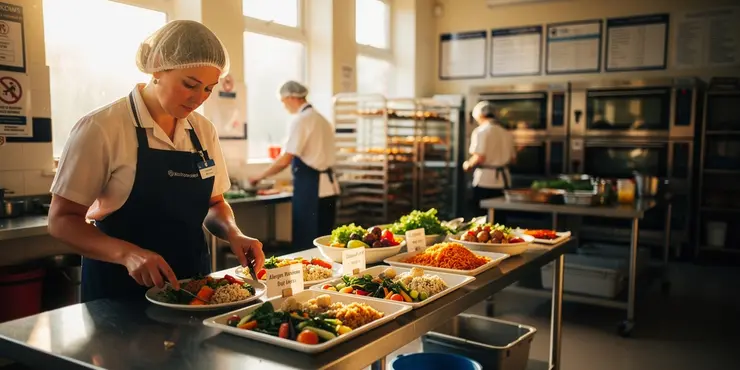
In the UK, schools have a responsibility to provide nutritious meals that cater to a diverse range of dietary needs. With increasing awareness of different dietary requirements, schools are adapting their meal plans to ensure that all students, regardless of their dietary restrictions, can enjoy a healthy and inclusive lunch experience. This involves accommodating allergies, intolerances, cultural diets, and personal preferences.
Addressing Allergies and Intolerances
Many children have food allergies or intolerances, such as to nuts, dairy, gluten, or eggs. Schools must carefully consider these when planning meals. UK schools often work closely with parents and healthcare providers to identify students with specific dietary needs. Once identified, schools can develop individualized meal plans or offer alternative meals to ensure that affected children do not miss out on nutritious options. It is crucial that schools educate staff and students about the risks of allergen exposure to prevent cross-contamination.
Accommodating Religious and Cultural Practices
The UK is a multicultural society, and many students follow dietary practices for religious or cultural reasons. Common requirements include Halal, Kosher, or vegetarian meals. Schools often liaise with parents and religious organizations to better understand these dietary practices, ensuring compliance with specific requirements while maintaining nutritional balance. Many schools today offer diverse menu options or themed days where different cultures are celebrated through food.
Providing Vegetarian and Vegan Options
With the rise in popularity of vegetarian and vegan diets, schools have increased their offerings of plant-based meals. These options not only cater to ethical and environmental considerations but also provide essential nutrients through carefully planned menus. Schools ensure these meals are balanced and appealing, making use of legumes, grains, and a variety of fruits and vegetables to provide protein and essential vitamins and minerals.
Nutrition Standards and Guidelines
The UK's School Food Standards provide guidelines on the provision of healthy meals in schools. These standards consider the necessity for, and benefits of, a balanced diet. They help ensure that meals provided are not only compliant but also contribute to a child’s overall health and well-being. Schools must routinely review and update their menus to align with the latest nutritional advice, keeping up with changes in dietary trends and requirements.
Training and Education
To effectively cater to special dietary needs, staff involved in meal preparation and serving must receive appropriate training. This includes understanding dietary restrictions, cross-contamination prevention, and nutritional education. Workshops and continuing education programs help staff stay informed about the best practices in catering for dietary requirements.
Conclusion
Catering for special dietary requirements in schools is a multifaceted challenge that involves clear communication, collaboration with parents and dietary experts, and adherence to national nutrition standards. By offering a variety of meals and ensuring dietary needs are met, schools play a vital role in supporting the health and well-being of all students, fostering an inclusive and respectful environment.
Frequently Asked Questions
Schools commonly accommodate allergies, intolerances, and dietary needs such as gluten-free, dairy-free, vegetarian, vegan, and religious or cultural dietary practices.
Schools take precautions by training kitchen staff on cross-contamination, clearly labeling meals, and providing allergy-friendly options.
Yes, parents are encouraged to communicate their child's dietary requirements to the school to help accommodate them appropriately.
Many schools offer gluten-free meal options for students with celiac disease or gluten intolerance.
Schools often provide vegetarian and vegan meal options to cater to these dietary preferences.
Schools implement strict kitchen protocols, such as separate preparation areas and utensils, to prevent cross-contamination.
Yes, many schools accommodate religious dietary restrictions by providing meals compliant with halal, kosher, and other dietary laws.
Schools may offer soy-free meal options for students with soy allergies or intolerances.
Schools work to ensure that even specialized meals meet nutritional guidelines by using alternative ingredients and balanced meal planning.
Many schools offer lactose-free or dairy-free meal options to accommodate students with lactose intolerance or dairy allergies.
Portion sizes for specialized meals are adjusted to ensure they meet dietary guidelines and the individual needs of the student.
Parents should inform the school administration and provide updated dietary information if their child’s dietary needs change.
Yes, schools often follow local education authority or national health guidelines to ensure proper dietary accommodations.
Many schools offer nut-free meal options and maintain nut-free zones to protect students with nut allergies.
Schools collaborate with parents to provide safe, convenient meal options that meet dietary needs during field trips.
Yes, school meal programs may be periodically audited to ensure compliance with dietary requirements and safety standards.
Many schools provide ingredient lists for meals upon request, allowing parents to review the suitability for their child's dietary needs.
Parents should contact the school's nutrition or food services department for inquiries about dietary accommodations.
Schools may provide information sessions or educational materials about dietary requirements to raise awareness among students.
The cost of meals accommodating special dietary needs varies by school policy, but they often aim to keep prices consistent with regular meals.

Ergsy Search Results
This website offers general information and is not a substitute for professional advice.
Always seek guidance from qualified professionals.
If you have any medical concerns or need urgent help, contact a healthcare professional or emergency services immediately.
Some of this content was generated with AI assistance. We've done our best to keep it accurate, helpful, and human-friendly.
- Ergsy carefully checks the information in the videos we provide here.
- Videos shown by Youtube after a video has completed, have NOT been reviewed by ERGSY.
- To view, click the arrow in centre of video.
- Most of the videos you find here will have subtitles and/or closed captions available.
- You may need to turn these on, and choose your preferred language.
- Go to the video you'd like to watch.
- If closed captions (CC) are available, settings will be visible on the bottom right of the video player.
- To turn on Captions, click settings.
- To turn off Captions, click settings again.