
Get Answers
What is an abscess?
An abscess is a painful collection of pus caused by an infection. It can happen in the skin, gums, teeth, armpits, groin, or deeper inside the body.
Common signs include swelling, redness, warmth, tenderness, and sometimes a visible lump. You may also feel unwell or have a fever if the infection is more serious.
How is an abscess diagnosed?
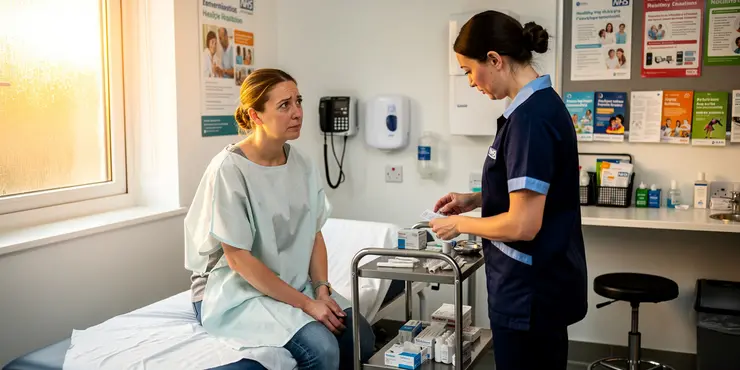
A GP, dentist, or urgent care clinician will usually diagnose an abscess by examining the affected area. They may ask about your symptoms, how long you have had them, and whether you have had any previous infections.
If the abscess is internal or not easy to assess, you may need blood tests, an ultrasound, or a scan. This helps the clinician understand how large it is and whether it has spread.
Main treatment options
The main treatment for most abscesses is drainage. This means releasing the pus so the infection can heal, and it is often more effective than antibiotics alone.
For a skin abscess, a clinician may make a small cut to let the pus out. The area is usually cleaned and covered with a dressing afterwards.
If the abscess is caused by a dental infection, a dentist may need to drain it and treat the tooth. This could involve root canal treatment or removing the tooth if it cannot be saved.
Are antibiotics needed?
Antibiotics may be given if the infection is spreading, if you have a fever, or if the abscess is in a sensitive area. They are also more likely to be used if you have a weakened immune system.
However, antibiotics alone often do not cure an abscess because they may not reach the pus well enough. Drainage is usually the key part of treatment.
What can you do at home?
Do not try to squeeze, pop, or cut an abscess yourself. This can make the infection worse and may spread it to other parts of the body.
A warm compress may help reduce discomfort and encourage natural drainage in some cases. You should keep the area clean and follow any advice given by your clinician.
When should you seek urgent help?
You should get urgent medical advice if the abscess is on your face, near your eye, or causing severe pain. You should also seek help if you have a high temperature, feel very unwell, or notice redness spreading quickly.
In the UK, contact NHS 111 if you are unsure what to do. Call 999 if you have difficulty breathing, severe swelling, confusion, or signs of a serious infection.
Frequently Asked Questions
Abscess treatment is the medical care used to drain and clear a pocket of infection filled with pus. It is needed when an abscess is painful, swollen, spreading, causing fever, or not improving on its own.
Common abscess treatment methods include warm compresses for very small early infections, incision and drainage, antibiotics when needed, and follow-up care to make sure the infection fully resolves.
Urgent abscess treatment is needed if there is fever, rapidly worsening redness, severe pain, facial swelling, trouble swallowing, weakness, or an abscess near the eye, spine, genitals, or anus.
Antibiotic medicine alone is often not enough for abscess treatment because many abscesses need drainage. Antibiotics may be added when the infection has spread, there is cellulitis, or the person is at higher risk for complications.
In clinic or hospital abscess treatment usually involves cleaning the skin, numbing the area, making a small opening, draining the pus, sometimes placing packing or a drain, and giving wound care instructions.
No, abscess treatment does not always require surgery. Many abscesses are treated with a minor in-office procedure called incision and drainage, which is different from major surgery.
During abscess treatment, local anesthetic is commonly used to numb the area. Afterward, over-the-counter pain relievers may help, but a clinician should advise on the safest option based on the person's health.
Recovery after abscess treatment varies, but many people improve within a few days after drainage and heal over one to two weeks. Larger or deeper abscesses may take longer and need follow-up visits.
After abscess treatment, home care may include keeping the area clean and covered, changing dressings as instructed, washing hands before touching the wound, using warm compresses if advised, and watching for signs of worsening infection.
If abscess treatment is delayed, the infection can spread, the abscess can enlarge, pain can worsen, fever may develop, and in rare cases the infection can enter the bloodstream and become serious.
Home treatment for a skin abscess is limited and should not include squeezing or cutting it open. Small early lumps may sometimes be helped by warm compresses, but proper abscess treatment by a clinician is often needed.
Dental abscess treatment often requires urgent dental or medical care, such as drainage, root canal treatment, extraction, or antibiotics when appropriate. Pain relief and prompt evaluation are important because dental infections can spread.
Perianal abscess treatment usually requires prompt medical evaluation and drainage because these abscesses can be very painful and may lead to fistulas or recurrent infection if not treated properly.
Abscess treatment is working when pain, swelling, redness, and drainage gradually decrease, fever resolves, and the wound begins to heal. If symptoms worsen or do not improve, medical follow-up is needed.
Antibiotics are added to abscess treatment after drainage when there is surrounding skin infection, fever, multiple abscesses, weakened immunity, certain high-risk locations, or concern for spreading infection.
Yes, abscess treatment can be repeated if an abscess returns. Recurrent abscesses may require evaluation for causes such as skin conditions, blocked glands, diabetes, or resistant bacteria.
Before abscess treatment, a patient should avoid squeezing, puncturing, or applying harsh substances to the abscess. They should also tell the clinician about allergies, blood thinners, diabetes, and pregnancy.
Abscess treatment should be performed by a qualified healthcare professional such as a doctor, dentist, urgent care clinician, surgeon, or emergency clinician, depending on the abscess location and severity.
Abscess treatment can be similar for children and adults, but children may need extra care with pain control, sedation, and dose adjustments for medication. A pediatric clinician should assess the child when appropriate.
To help prevent needing abscess treatment again, a person should practice good skin hygiene, treat wounds early, avoid sharing razors or towels, manage chronic conditions like diabetes, and seek care for recurring infections early.

Ergsy Search Results
This website offers general information and is not a substitute for professional advice.
Always seek guidance from qualified professionals.
If you have any medical concerns or need urgent help, contact a healthcare professional or emergency services immediately.
Some of this content was generated with AI assistance. We've done our best to keep it accurate, helpful, and human-friendly.
- Ergsy carefully checks the information in the videos we provide here.
- Videos shown by Youtube after a video has completed, have NOT been reviewed by ERGSY.
- To view, click the arrow in centre of video.
- Most of the videos you find here will have subtitles and/or closed captions available.
- You may need to turn these on, and choose your preferred language.
- Go to the video you'd like to watch.
- If closed captions (CC) are available, settings will be visible on the bottom right of the video player.
- To turn on Captions, click settings.
- To turn off Captions, click settings again.