
Get Answers
The DVSA Theory Test
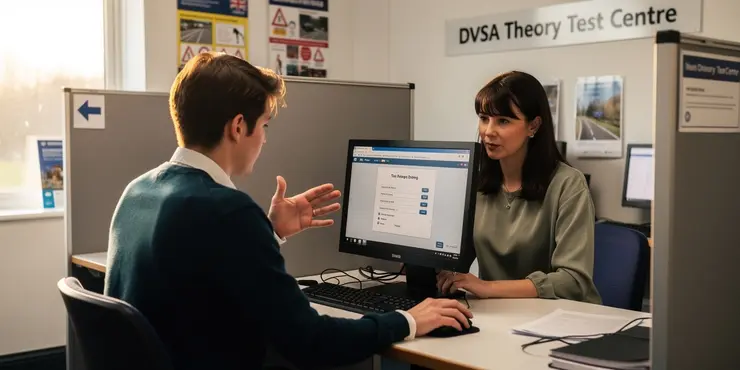
The Driver and Vehicle Standards Agency (DVSA) Theory Test is an essential step for drivers in the UK seeking a full driving license. It assesses a candidate's knowledge of the Highway Code, traffic signs, and essential driving skills. The test consists of two parts: multiple-choice questions and a hazard perception test. Passing the DVSA Theory Test is mandatory before candidates can take the practical driving test. The multiple-choice section requires candidates to answer questions correctly from a bank of questions, while the hazard perception test involves identifying developing hazards in video clips.
BSL and the Theory Test
British Sign Language (BSL) is a vital component of accessibility for the Deaf and hard of hearing communities in the UK. The DVSA recognizes the importance of inclusivity and offers support for BSL users during the Theory Test. Candidates who use BSL can request a BSL interpreter for both the multiple-choice and hazard perception parts of the test. The interpretation ensures that BSL users understand the questions and instructions, giving them a fair opportunity to demonstrate their driving knowledge and hazard awareness. This service is crucial in breaking down language barriers and making the driving test process more equitable for Deaf candidates.
Accessibility in the DVSA Theory Test
Accessibility in the DVSA Theory Test extends beyond BSL support. The DVSA is committed to providing an inclusive testing environment for all candidates, including those with disabilities or other special needs. Candidates can request various accommodations, such as extra time to complete the test, having a reader assist with reading out the questions, or changing the font size and color contrast on the computer screen to cater to visual impairments. These adjustments are designed to ensure that all candidates can access the test material under conditions that suit their specific needs.
The DVSA has also incorporated advancements in technology to aid candidates with additional requirements. This includes touch screens for candidates who may benefit from an alternative to using a mouse and keyboard. Furthermore, the Theory Test centres are equipped with facilities for wheelchair access, ensuring ease of access for individuals with mobility impairments. By continuously updating its offerings and seeking feedback, the DVSA aims to foster an inclusive environment, allowing all test-takers an equal opportunity to succeed.
Conclusion
The DVSA Theory Test plays a crucial role in the licensing process for drivers in the UK. By providing services such as BSL interpretation and various accessibility accommodations, the DVSA ensures that the test is accessible to all individuals, regardless of their disabilities or language needs. This commitment to inclusivity is vital in shaping an equitable and fair testing system, allowing all candidates to demonstrate their knowledge and skills effectively. The ongoing efforts to enhance accessibility reflect the DVSA's dedication to supporting a diverse range of test-takers, ensuring that everyone has the opportunity to achieve their driving ambitions.
The DVSA Theory Test
The DVSA Theory Test is a test you take if you want to drive in the UK. It helps to see if you know the rules of the road and what different road signs mean. The test has two parts: multiple-choice questions and a test to see how well you notice dangers on the road. You must pass this test before you can take the driving test in a car. The multiple-choice part asks you to pick the right answers from a list. The hazard perception part tests how quickly you can spot possible dangers in videos.
BSL and the Theory Test
BSL stands for British Sign Language. It helps people who are Deaf or hard of hearing. The DVSA knows it’s important to help everyone, so they let people use BSL during the test. If you use BSL, you can ask for a BSL interpreter. This person will sign the questions and instructions for you. This makes sure everyone gets a fair chance to show they know the rules and can spot dangers.
Accessibility in the DVSA Theory Test
The DVSA wants to help everyone take the test, even if they need extra help. If you have a disability or special needs, you can ask for help like more time to finish the test, someone to read the questions to you, or to change the size and color of the words on the screen. These changes make the test easier for everyone to use.
They also use new technology to help. For example, some people might find a touch screen easier than a mouse and keyboard. Test centers have wheelchair access too. By making these changes, the DVSA helps everyone have a good chance to pass the test.
Conclusion
The DVSA Theory Test is important for getting a driving license in the UK. The DVSA helps everyone by offering things like BSL interpretation and special help for those who need it. They want the test to be fair for everyone. This makes sure everyone can show what they know and get a license if they pass. The DVSA is always trying to make the test better for all people who want to drive.
Frequently Asked Questions
The DVSA Theory Test is a test that measures a learner driver's understanding of road rules and driving knowledge in the UK. It is a requirement before taking the practical driving test.
The DVSA Theory Test consists of 50 multiple-choice questions.
To pass the DVSA Theory Test, you need to correctly answer at least 43 out of 50 multiple-choice questions.
The Hazard Perception Test is part of the DVSA Theory Test. It assesses a candidate's ability to spot developing hazards on the road using video clips.
In the Hazard Perception Test, you will watch a series of video clips and must click the mouse whenever you spot a developing hazard. Your response times are scored.
The pass mark for the Hazard Perception Test is 44 out of 75.
You can prepare by studying the Highway Code, using DVSA-approved study materials, and practicing with theory test simulation apps or online resources.
Yes, the DVSA Theory Test is available in British Sign Language for candidates who are deaf or hard of hearing.
You can request the BSL version of the test when booking your theory test, and it will be provided via a video option in the test centre.
Yes, candidates with special needs or disabilities can request additional support such as extra time, a reader, or a signer.
You can request special accommodations when booking your test. Contact the DVSA directly to discuss your requirements.
Yes, voiceovers are available in various languages to assist those who may need them.
You need to bring your UK driving licence (photocard) when attending the theory test.
If you fail the test, you can retake it. However, you must wait at least three working days before sitting the test again.
The DVSA Theory Test certificate is valid for two years from the date you pass the test.
No, note-taking is not allowed during the test to maintain the integrity of the exam.
The cost of the car theory test is £23.
Yes, you can change your test date, but you must do so at least three working days before the test to avoid losing your fee.
You can book your DVSA Theory Test on the official UK government website or by phone.
You should contact the DVSA to discuss available accessibility options such as BSL translation or other aids that can be provided during the test.
The DVSA Theory Test checks if you know the road rules and driving basics in the UK. You must pass this test before you can take the practical driving test.
The driving theory test has 50 questions. Each question is multiple-choice. This means you pick the right answer from a list.
Here are some tips to help you:
- Take your time to read each question carefully.
- Practice using online theory test apps or websites.
- Ask someone to help you study if you’re unsure.
- Try using flashcards with questions and answers for practice.
To pass the driving theory test, you need to get at least 43 out of 50 questions right.
The Hazard Perception Test is part of the driving theory test. It checks if you can see dangers while driving by showing you videos.
In the Hazard Perception Test, you will watch some videos. You need to click the mouse when you see something dangerous starting to happen. You get points for how fast you click.
You need to get 44 out of 75 to pass the Hazard Perception Test.
You can get ready for the test by reading the Highway Code book. Use books and guides that are approved by DVSA. You can also practice with apps and websites that show you what the test will be like.
Yes, people who are deaf or have trouble hearing can take the DVSA Theory Test with British Sign Language.
You can ask for the test in British Sign Language (BSL) when you book your theory test. At the test center, there will be a video to help you with the BSL version.
Yes, if you have special needs or a disability, you can ask for extra help. You might get more time, someone to read to you, or someone to use sign language.
You can ask for extra help when you book your test. Talk to the DVSA to say what you need.
Yes, you can get voiceovers in different languages to help people who need them.
When you go to take your driving theory test, make sure to bring your UK driving licence card with your photo on it.
If you don't pass the test, you can try again. But you have to wait three days before doing the test again.
The certificate you get when you pass the DVSA Theory Test lasts for two years.
No, you can't take notes during the test. This helps keep the test fair for everyone.
The car theory test costs £23.
Yes, you can change your test day.
But you must do it at least three days before your test.
If you don't, you might lose your money.
Using a calendar can help you keep track of dates.
You can book your driving theory test on the government's website or by calling them on the phone.
Talk to the DVSA. They can help with things like a BSL translator or other helpful tools for your test.

Ergsy Search Results
This website offers general information and is not a substitute for professional advice.
Always seek guidance from qualified professionals.
If you have any medical concerns or need urgent help, contact a healthcare professional or emergency services immediately.
Some of this content was generated with AI assistance. We've done our best to keep it accurate, helpful, and human-friendly.
- Ergsy carefully checks the information in the videos we provide here.
- Videos shown by Youtube after a video has completed, have NOT been reviewed by ERGSY.
- To view, click the arrow in centre of video.
- Most of the videos you find here will have subtitles and/or closed captions available.
- You may need to turn these on, and choose your preferred language.
- Go to the video you'd like to watch.
- If closed captions (CC) are available, settings will be visible on the bottom right of the video player.
- To turn on Captions, click settings.
- To turn off Captions, click settings again.