
Get Answers
Understanding IVF and Anesthesia
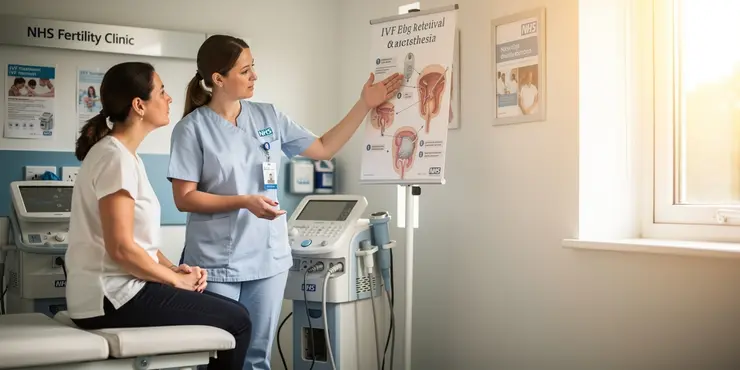
In vitro fertilisation (IVF) is a widely used assisted reproductive technology (ART) that helps individuals and couples conceive a child. It involves several steps, starting from ovary stimulation to egg retrieval, fertilisation, and embryo transfer. One common question prospective patients have is whether IVF involves anesthesia. In the UK, anesthesia is indeed a part of certain IVF procedures, particularly during the egg retrieval phase.
Egg Retrieval Process
The egg retrieval process, also known as oocyte retrieval, is a crucial step in IVF where eggs are collected from the ovaries. This procedure is typically performed in a clinical setting and involves the use of an ultrasound-guided needle. To ensure the comfort of the patient and minimise any discomfort or pain during the procedure, anesthesia is usually administered. In the UK, this is most commonly done under conscious sedation or mild general anesthesia, depending on the clinic's protocol and the patient’s preference and medical history.
Types of Anesthesia Used
In the UK, conscious sedation is often preferred for egg retrieval. This type of anesthesia keeps patients relaxed and free from pain while remaining partially aware of their surroundings. Medications such as midazolam and fentanyl are commonly used to achieve this state. At times, a short-acting general anesthetic may be administered, especially if the patient prefers to be fully unaware during the procedure. The choice of anesthesia should always be discussed and decided upon in consultation with the fertility specialist and anesthetist, taking into account individual health conditions and any previous reactions to anesthesia.
Impact on Recovery and Success Rates
The use of anesthesia in IVF is generally considered safe, with most patients experiencing only minor side effects such as drowsiness or nausea post-procedure. Recovery times are usually short, allowing patients to return home on the same day. Importantly, the use of anesthesia does not have any direct impact on the success rates of IVF. Its primary role is to enhance patient comfort and facilitate a smoother egg retrieval process.
Considerations and Consultations
Before undergoing IVF, it is important for patients to discuss the anesthesia options with their fertility clinic. Each clinic may have different protocols, and understanding the specifics can help alleviate anxiety and ensure that patients are well-prepared for the procedure. Additionally, patients should disclose any medical history related to anesthesia or allergies to ensure the safest possible experience.
Conclusion
Anesthesia is an integral part of the egg retrieval process in IVF procedures in the UK. It helps provide a comfortable and pain-free experience for patients. By working closely with their fertility team and understanding the options available, patients can approach IVF treatment with greater confidence and assurance.
Understanding IVF and Anesthesia
IVF helps people have a baby. It involves several steps, like making eggs grow, taking out eggs, fertilizing them, and putting the embryo back. People often ask if IVF needs anesthesia. In the UK, anesthesia is used during egg retrieval to make it comfortable.
Egg Retrieval Process
During egg retrieval, doctors take eggs from the ovaries. This is done in a clinic. Doctors use an ultrasound-guided needle to get the eggs. Anesthesia helps keep you pain-free and comfortable. In the UK, clinics often use sedation (you are relaxed but awake) or light general anesthesia (you are fully asleep). The choice depends on the clinic and what you and the doctor decide.
Types of Anesthesia Used
In the UK, sedation is common for egg retrieval. It keeps you comfortable and pain-free while you are still aware. Medicines like midazolam and fentanyl help with this. Sometimes, a short sleep medicine (general anesthesia) is used if you prefer it. It is important to talk to your doctor about which type is best for you.
Impact on Recovery and Success Rates
Anesthesia during IVF is safe. Most people feel only a little sleepy or sick after. You can usually go home the same day. Anesthesia does not affect how well IVF works. It helps you feel better during the egg retrieval.
Considerations and Consultations
Before starting IVF, talk to your doctor about anesthesia choices. Clinics may have different ways of doing things. Knowing your options can make you feel less worried. Tell your doctor about any allergies or past problems with anesthesia for a safe experience.
Conclusion
Anesthesia is important in IVF egg retrieval in the UK. It makes the process comfortable. Speak with your fertility team to understand your options. This will help you feel more confident about IVF treatment.
Frequently Asked Questions
IVF, or in vitro fertilization, is a process of fertilization where an egg is combined with sperm outside the body, in vitro.
Yes, the egg retrieval process in IVF typically requires sedation or anesthesia to ensure comfort and minimize discomfort during the procedure.
Most clinics use conscious sedation or general anesthesia, which requires patients to be asleep or deeply relaxed during the procedure.
No, anesthesia is usually not necessary for embryo transfer as it is a quick and relatively painless procedure.
The effects of anesthesia can last for a few hours after the procedure, but most patients are fully awake and alert shortly afterwards.
As with any procedure involving anesthesia, there are risks such as allergic reactions or complications, but serious issues are rare.
No, you should not drive yourself home after undergoing anesthesia. It's important to arrange for someone to take you home.
While conscious sedation or general anesthesia is more common, some clinics may offer local anesthesia, but it depends on the patient and the clinic's protocols.
Some discomfort or cramping is normal after egg retrieval, but it can be managed with over-the-counter pain medication.
Follow your doctor's instructions, which may include fasting for a period before the procedure, and ensure you have someone to accompany you.
Inform your doctor in advance about any allergies to anesthesia; they will choose a safer alternative or take precautionary measures.
Most patients recover quickly from anesthesia and are able to resume normal activities within a day or two, though individual recovery times can vary.
You should follow specific post-procedure instructions from your healthcare provider regarding eating and drinking.
Yes, anesthesia can be used for each IVF cycle if multiple cycles are needed, especially during egg retrieval procedures.
The egg retrieval procedure typically takes around 20-30 minutes, but plan for additional time for preparation and recovery.
Wear comfortable clothing and avoid wearing jewelry or any unnecessary accessories to the clinic.
Anesthesia is generally safe when administered by trained professionals, and the risks are minimal in the context of IVF.
With adequate sedation or anesthesia, you should not feel pain during the egg retrieval procedure.
Many patients resume normal activities within a day or two after the procedure, but your doctor will provide specific guidance.
Coverage varies by insurance plans, so it is important to check with your provider regarding anesthesia costs in IVF.
IVF means in vitro fertilization. It helps people have babies. Doctors take an egg from the body and mix it with sperm in a lab.
Yes, when getting eggs in IVF, doctors give medicine to help you sleep. This stops you from feeling any pain and keeps you comfortable.
Most clinics help people to relax by using special medicine. It makes people sleep or feel very calm during their treatment.
No, you usually do not need to be asleep or numb for embryo transfer. It is quick and does not hurt much.
After a medical procedure, the medicine that makes you sleepy can stay in your body for a few hours. But most people wake up and feel normal soon after.
When a doctor gives medicine to make you sleep for an operation, there are some risks. Sometimes, people can have bad reactions to the medicine. But big problems do not happen often.
No, you should not drive yourself home after having anesthesia. It is important to have someone else take you home.
Most times, people get sleepy medicine or are put to sleep for the procedure. But some places might use medicine to just numb the area. It depends on what the person needs and what the clinic decides.
It is normal to feel some pain or cramps after getting eggs taken out. You can take medicine you buy at the store to help with the pain.
Listen to what your doctor says. You might need to stop eating and drinking before your test. Make sure someone can come with you to help.
Tell your doctor if you are allergic to anesthesia before your operation. The doctor can then pick a different medicine or be extra careful to keep you safe.
Most people feel better quickly after having anesthesia. They can usually get back to their normal activities in one or two days. But some people might take a bit longer to feel better.
Listen to what your doctor or nurse says about eating and drinking after you have a medical procedure.
Yes, doctors can use medicine to help you sleep during each IVF cycle. This is important when the doctor needs to collect eggs.
The doctor takes the eggs out in about 20 to 30 minutes. But remember, you will need some extra time to get ready and to rest after it's done.
Wear clothes that feel nice and do not wear jewelry or any extra things when you go to the clinic.
Anesthesia is usually safe. Doctors with special training give it. There is little risk when used for IVF.
When the doctor takes eggs from your body, you will get medicine to make you sleepy or to stop pain. This means you should not feel any pain during the procedure.
Most people can go back to their usual activities one or two days after the treatment. But make sure to listen to what your doctor says.
Different insurance plans cover different things. To know if your plan pays for anesthesia in IVF, you should ask your insurance company. They can tell you how much it will cost.

Ergsy Search Results
This website offers general information and is not a substitute for professional advice.
Always seek guidance from qualified professionals.
If you have any medical concerns or need urgent help, contact a healthcare professional or emergency services immediately.
Some of this content was generated with AI assistance. We've done our best to keep it accurate, helpful, and human-friendly.
- Ergsy carefully checks the information in the videos we provide here.
- Videos shown by Youtube after a video has completed, have NOT been reviewed by ERGSY.
- To view, click the arrow in centre of video.
- Most of the videos you find here will have subtitles and/or closed captions available.
- You may need to turn these on, and choose your preferred language.
- Go to the video you'd like to watch.
- If closed captions (CC) are available, settings will be visible on the bottom right of the video player.
- To turn on Captions, click settings.
- To turn off Captions, click settings again.