
Get Answers
Overview of Meningitis Vaccines
Meningitis is a serious condition characterized by the inflammation of the protective membranes covering the brain and spinal cord. It is often caused by a bacterial or viral infection and can lead to severe health complications or even death if not promptly treated. Vaccination is a key preventive measure for certain types of meningitis, and health authorities around the world recommend immunization to protect against this life-threatening illness.
The CDC's Recommendations
The Centers for Disease Control and Prevention (CDC) in the United States recommends vaccination against meningococcal disease, which is a leading cause of bacterial meningitis. The CDC specifically advises that adolescents receive the meningococcal conjugate vaccine. The first dose is usually administered at 11 to 12 years of age, followed by a booster dose at 16 years. This vaccination helps protect against most strains of meningococcal bacteria, including serogroups A, C, W, and Y.
Why Adolescents Are a Key Focus
Adolescents are particularly vulnerable to meningitis due to lifestyle and environmental factors. This age group often engages in activities such as attending summer camps, living in dormitories, and participating in social gatherings, where outbreaks can occur. The close quarters and communal living facilities associated with such activities increase the risk of spreading the bacteria that cause meningitis. As a result, vaccination at this stage is crucial to mitigate the risk of an outbreak.
Meningitis Vaccination in the UK
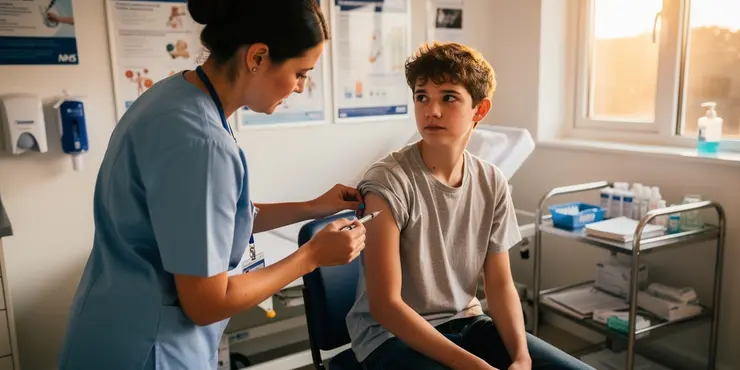
In the UK, similar to the CDC's approach, public health authorities recommend meningitis vaccination for adolescents. The UK offers a comprehensive immunization program that includes the MenACWY vaccine, which provides protection against meningococcal groups A, C, W, and Y. It is generally offered to teenagers as part of the NHS vaccination schedule. This is in line with efforts to control and prevent the spread of meningitis among young people.
Conclusion
Given the severity and potential consequences of meningitis, vaccination is an essential preventive strategy. Both the CDC in the United States and health authorities in the UK recognize the importance of vaccinating adolescents to reduce the incidence of meningococcal disease. By ensuring that this age group receives the recommended vaccinations, it is possible to significantly decrease the risk of outbreaks and safeguard public health. Parents and guardians should consult healthcare providers to ensure that adolescents receive all necessary immunizations according to the recommended schedules in their respective countries.
Overview of Meningitis Vaccines
Meningitis is a serious sickness. It makes the coverings of the brain and spinal cord swollen. Germs, like bacteria or viruses, can cause it. Meningitis can make you very sick. If not treated quickly, it can even cause death. Getting a vaccine helps prevent meningitis. Doctors all over the world say people should get vaccines to keep safe from this illness.
The CDC's Recommendations
In the United States, a group called the CDC tells people to get vaccinated for a sickness called meningococcal disease. This disease causes meningitis. The CDC says kids should get a vaccine called the meningococcal conjugate vaccine. They should get the first vaccine shot when they are 11 or 12 years old. Then, they should get another shot, called a booster, at 16 years old. This vaccine helps stop most germs that cause meningitis.
Why Adolescents Are a Key Focus
Teenagers are more likely to get meningitis. This is because of where they go and what they do, like going to summer camps or living in dorms. When teens are in close places with lots of people, germs can spread more easily. This is why it's very important for them to get the vaccine to stop outbreaks.
Meningitis Vaccination in the UK
In the UK, health experts also want teenagers to get vaccinated for meningitis. They give a vaccine called the MenACWY vaccine. This vaccine stops meningitis caused by four types of germs: A, C, W, and Y. Teens usually get this vaccine through the NHS. It's a way to help keep kids from getting sick and spreading meningitis.
Conclusion
Meningitis is very dangerous and can make you really sick. Vaccines help stop this from happening. Both in the US and the UK, experts say teenagers should get their vaccines. Getting vaccinated makes it less likely for meningitis to spread. Parents should talk to doctors to make sure their kids get the vaccines they need. This keeps everyone healthy and safe.
Frequently Asked Questions
Meningitis is an inflammation of the membranes (meninges) surrounding the brain and spinal cord, often caused by an infection.
Adolescents and young adults are at higher risk for meningitis due to lifestyle factors such as close-quarter living and social behaviors.
The CDC recommends the MenACWY and MenB vaccines for adolescents.
The CDC recommends the first dose of the MenACWY vaccine at age 11-12, with a booster dose at age 16.
The MenB vaccine is recommended for certain high-risk adolescents and young adults aged 16-23, with a preferred age range of 16-18.
A booster dose at age 16 helps ensure continued protection during the years of highest risk for meningitis.
Common side effects include soreness at the injection site, fever, and fatigue, but serious side effects are rare.
No, the vaccine targets specific strains of bacterial meningitis but does not protect against viral meningitis.
Meningitis vaccines are highly effective at preventing infections caused by the strains they target.
Most insurance plans cover the meningitis vaccines under preventive services, but it's important to check with your provider.
Yes, meningitis vaccines can be administered at the same time as other vaccines to adolescents.
Immunity from the MenACWY vaccine diminishes over time, which is why a booster is recommended; duration of MenB vaccine immunity varies by individual.
Consult your healthcare provider to discuss catch-up vaccination options.
Yes, individuals with suppressed immune systems or specific health conditions may be at increased risk for meningitis and benefit from vaccination.
The CDC strongly recommends that college freshmen living in dormitories receive the meningitis vaccine due to increased risk.
Yes, the meningitis vaccine is considered safe and has been thoroughly tested in clinical trials.
MenACWY protects against four strains of meningococcal bacteria, while MenB targets a single, different strain.
It is advisable to wait until they recover from an acute illness before vaccination; consult with a healthcare provider for advice.
Certain regions have higher rates of meningitis, and vaccination is crucial for protection when traveling to these areas.
For more information, visit the CDC's official website or speak with a healthcare provider.
Meningitis is when the covering of the brain and spine get swollen. This often happens because of an infection, like germs or a virus.
Teenagers and young adults can get meningitis more easily. This is because of how they live and spend time with others. They may live close together, like in dorms, and hang out in groups.
To help understand better, you can try:
- Joining a reading group.
- Asking a teacher or friend to explain.
- Using learning apps that read out loud.
- Taking breaks when reading.
The CDC says teenagers should get two shots called MenACWY and MenB.
The CDC says kids should get their first MenACWY shot when they are 11 or 12 years old. They should get another shot when they are 16 years old.
The MenB vaccine helps keep you safe from a certain illness. It is a good idea for some teenagers and young people, especially those aged 16 to 23. It's best to get it between ages 16 and 18.
Getting a booster shot at age 16 helps keep you safe from meningitis. This is important because people your age are more likely to get it.
Some people might feel a bit sore where they got the shot. They might also feel hot, like they have a fever, or very tired. But big problems are not common.
No, the vaccine helps prevent some types of bacterial meningitis, but it does not stop viral meningitis.
Meningitis shots help stop people from getting sick. They work really well against the types of germs they fight.
Most health insurance plans pay for meningitis shots. These are part of health checks to prevent illness. But you should ask your insurance company to make sure they cover it.
Yes, teens can get meningitis shots at the same time as other shots.
The MenACWY vaccine helps to stop you from getting sick, but its power goes away after some time. This is why your doctor might say you need another shot later. The MenB vaccine's power can last different amounts of time for different people.
Talk to your doctor or nurse about getting your vaccines if you missed them.
People with weak immune systems or certain health problems might have a higher chance of getting meningitis. Getting a vaccination can help protect them.
The CDC thinks it's really important for college students who live in dorms to get a special shot called the meningitis vaccine. This is because they are at a higher risk of getting sick.
Yes, the meningitis vaccine is safe. Doctors have tested it a lot to make sure it works well.
MenACWY keeps you safe from four types of germs that can cause meningitis. MenB protects you from one other type.
It's a good idea to wait until they feel better from a sickness before getting a vaccine. Talk to a doctor or nurse to get advice.
Some places have more meningitis. Getting a vaccine can help keep you safe if you go to these places.
To learn more, go to the CDC's website. You can also talk to a doctor or nurse.

Ergsy Search Results
This website offers general information and is not a substitute for professional advice.
Always seek guidance from qualified professionals.
If you have any medical concerns or need urgent help, contact a healthcare professional or emergency services immediately.
Some of this content was generated with AI assistance. We've done our best to keep it accurate, helpful, and human-friendly.
- Ergsy carefully checks the information in the videos we provide here.
- Videos shown by Youtube after a video has completed, have NOT been reviewed by ERGSY.
- To view, click the arrow in centre of video.
- Most of the videos you find here will have subtitles and/or closed captions available.
- You may need to turn these on, and choose your preferred language.
- Go to the video you'd like to watch.
- If closed captions (CC) are available, settings will be visible on the bottom right of the video player.
- To turn on Captions, click settings.
- To turn off Captions, click settings again.