
Speak To An Expert
Get clear, personalised advice for your situation.
Jot down a few questions to make the most of your conversation.
Do UK Spiders Pose a Threat to Pets?
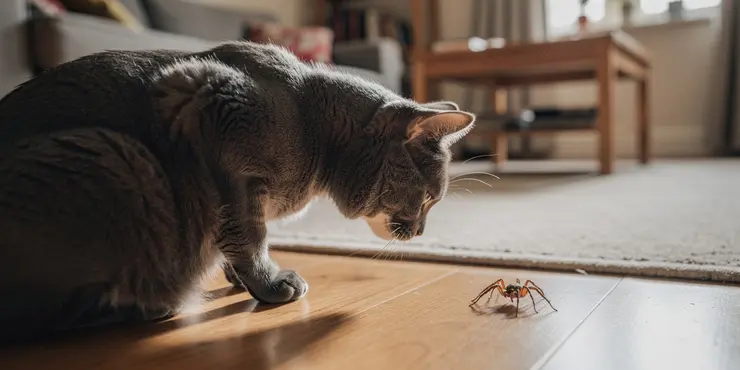
The United Kingdom is home to a wide variety of spider species, some of which may cause concern for pet owners. While the vast majority of spiders in the UK are harmless to humans, there is a natural curiosity and sometimes fear about how these creatures might interact with pets. Understanding the risks and realities can help pet owners feel more secure.
Common UK Spiders and Their Venom
In the UK, there are over 650 species of spiders, but very few have venom potent enough to cause significant harm to pets. The most well-known is the false widow spider, which has gained notoriety due to its mildly neurotoxic venom. However, serious incidents involving pets are extremely rare. Most UK spiders typically rely on their venom to subdue prey much smaller than a cat or dog, making them generally less of a threat to larger animals.
Potential Risks to Pets
While it is possible for a pet, such as a curious cat or a playful dog, to encounter a spider, significant negative reactions are uncommon. Pets might exhibit symptoms such as localized pain or minor swelling if bitten. However, these are usually mild and self-limiting. In very rare cases, if a pet is particularly allergic to spider venom, more serious reactions can occur, but these incidents are not typical.
Signs of a Spider Bite in Pets
If a pet has been bitten by a spider, owners might notice signs such as localized swelling, redness, or irritation at the site of the bite. The pet may also show signs of discomfort, such as itching or licking the area excessively. More severe symptoms like difficulty breathing, lethargy, or vomiting are less common but require immediate veterinary attention.
Preventive Measures
Pet owners can take simple steps to minimize the likelihood of spider encounters indoors. Keeping a clean house, removing spiders or webs when they are noticed, and regularly vacuuming can help reduce indoor spider populations. Additionally, being aware of typical hiding places such as dark corners, under furniture, and near windows can help in managing any potential encounters.
When to Consult a Veterinarian
If a pet exhibits unusual symptoms following a suspected spider bite, such as prolonged swelling or significant changes in behavior, it is advisable to consult a veterinarian. While serious reactions are rare, professional advice can provide peace of mind and ensure the pet's well-being.
Conclusion
Overall, UK spiders do not pose a significant threat to pets. Most spider interactions lead to no harm, and the instances of serious reactions are extremely rare. Understanding the low level of risk can help pet owners feel more at ease. Regular vigilance and simple preventive measures can further reduce any minimal risks associated with spiders.
Do UK Spiders Pose a Threat to Pets?
In the UK, there are many types of spiders. Some pet owners might worry about them. Most spiders in the UK do not hurt people. It's good to know how spiders and pets get along. This helps pet owners feel safe.
Common UK Spiders and Their Venom
There are more than 650 types of spiders in the UK. Very few can hurt pets. The false widow spider is the most known. It has a kind of venom, but serious harm to pets is very rare. Most spiders use their venom to catch small bugs, not big animals like cats or dogs.
Potential Risks to Pets
Sometimes curious pets, like cats and dogs, might find a spider. If bitten, pets may feel a little pain or have small swelling. This usually goes away by itself. Some pets might be allergic, but this is very rare.
Signs of a Spider Bite in Pets
If a spider bites a pet, you might see a swollen, red, or itchy spot. Your pet might scratch or lick it a lot. If you see signs like hard breathing, tiredness, or vomiting, call a vet right away.
Preventive Measures
Keep your home clean to avoid spiders. Remove spiders and webs when you see them. Vacuum often. Check dark places like under furniture, in corners, and near windows for spiders.
When to Consult a Veterinarian
If your pet acts strange after a spider bite, like having a lot of swelling or behaving differently, talk to a vet. Serious problems are not common, but a vet can help make sure your pet is okay.
Conclusion
UK spiders are usually not a danger to pets. Most of the time, nothing bad happens. Serious problems are very rare. Knowing this can help pet owners feel better. Simple steps can make sure spiders are not a problem.
Frequently Asked Questions
Most UK spiders are harmless to pets, but a few can bite if provoked. The risk is generally low.
The false widow spider is one of the only UK spiders known to have a bite that could potentially affect pets.
Signs may include localized swelling, redness, discomfort, or in rare cases, systemic symptoms such as lethargy or loss of appetite.
Keep your house clean, reduce clutter, and ensure that your pet does not play with or provoke spiders.
If you suspect a spider bite and notice concerning symptoms, it's wise to consult with a veterinarian.
It is extremely rare for spider bites to be fatal to pets in the UK.
Spider bites on pets are uncommon in the UK.
Most house spiders are harmless and unlikely to bite pets unless threatened.
The bite from a false widow spider can cause discomfort, but serious reactions in pets are uncommon.
No, garden spiders are not considered dangerous and pose no threat to pets.
Seal cracks, remove webs, and keep your home tidy to deter spiders.
Spiders in the UK do not carry diseases that affect pets.
Extermination is not necessary as UK spiders are generally harmless to pets.
False widows are medium-sized with a brown body and potentially an hourglass marking, but this can vary.
Yes, insects like fleas, ticks, and certain wasps can pose more significant threats to pets.
No, UK spiders do not lay eggs on pets.
Essential oils like peppermint may repel spiders, but use them cautiously to ensure they are safe for pets.
Yes, though rare, some dogs might have mild allergic reactions to spider bites.
Small or young pets might be more sensitive, but spider bites are rarely dangerous.
Include antiseptic wipes, bandages, and your vet's contact information in a pet first aid kit.
Most spiders in the UK won't hurt pets. Some spiders might bite if they feel scared. But this doesn't happen often.
The false widow spider is a type of spider in the UK. It is one of the few spiders there that can bite pets.
If you have a bug bite or sting, you might see a bump or swelling where it happened. The skin there could turn red and feel sore. Sometimes, but not often, you might feel really tired or not want to eat.
If you find it hard to understand, ask someone to explain. You can also use apps or tools that read text out loud for you.
Keep your home tidy. Do not leave lots of things lying around. Make sure your pet does not bother or play with spiders.
If you think a spider bit you and you start feeling sick, it's a good idea to talk to a pet doctor (vet) for help.
In the UK, spiders almost never bite pets in a way that could cause death.
In the UK, it is not common for pets to get bitten by spiders.
Most house spiders are safe and will not bite pets unless they feel scared.
A bite from a false widow spider can hurt, but it usually doesn't make pets very sick.
No, garden spiders are not dangerous. They won't hurt your pets.
Fill in cracks, get rid of spider webs, and keep your home clean to keep spiders away.
Spiders in the UK are not harmful to pets. They do not spread diseases to animals.
You don't need to get rid of spiders in the UK. They are usually safe for pets.
False widows are medium-sized spiders. They have a brown body. Some have an hourglass shape on them, but not all.
Yes, bugs like fleas, ticks, and some wasps can be dangerous to pets.
No, spiders in the UK do not put eggs on pets.
Essential oils like peppermint might keep spiders away. But make sure they are safe to use if you have pets.
Yes, it doesn't happen often, but some dogs can have a little allergic reaction if a spider bites them.
Little or young pets can get hurt more easily. But spider bites usually aren't very dangerous.
Make a pet first aid kit. Put in cleaning wipes, bandages, and your vet's phone number.

Ergsy Search Results
This website offers general information and is not a substitute for professional advice.
Always seek guidance from qualified professionals.
If you have any medical concerns or need urgent help, contact a healthcare professional or emergency services immediately.
Some of this content was generated with AI assistance. We've done our best to keep it accurate, helpful, and human-friendly.
- Ergsy carefully checks the information in the videos we provide here.
- Videos shown by Youtube after a video has completed, have NOT been reviewed by ERGSY.
- To view, click the arrow in centre of video.
- Most of the videos you find here will have subtitles and/or closed captions available.
- You may need to turn these on, and choose your preferred language.
- Go to the video you'd like to watch.
- If closed captions (CC) are available, settings will be visible on the bottom right of the video player.
- To turn on Captions, click settings.
- To turn off Captions, click settings again.