
Get Answers
Understanding SEND
The term SEND stands for Special Educational Needs and Disabilities. In the UK, children with SEND have a wide range of learning difficulties or disabilities that impact their ability to learn. They may need different or additional support compared to other children of the same age. SEND can encompass challenges such as physical disabilities, learning difficulties, mental health issues, and sensory impairments.
Mainstream Schools and Inclusion
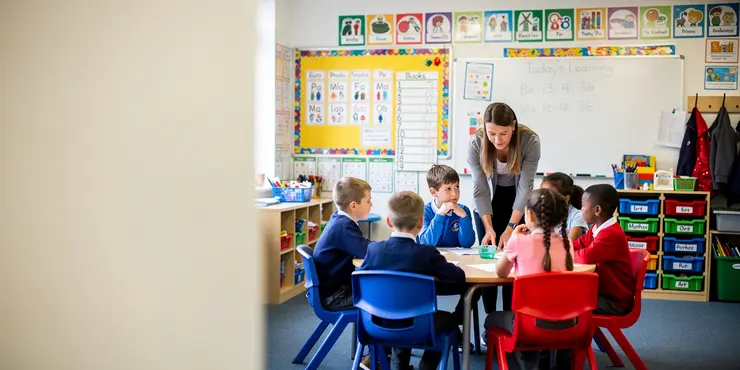
Mainstream schools in the UK refer to primary or secondary schools that cater to students of all abilities. The UK education system promotes an inclusive approach, aiming to provide SEND children with an opportunity to learn alongside their peers. The principle behind inclusion is to ensure that those with special educational needs can access the same opportunities and resources as others, fostering a sense of community and acceptance.
Legislation and Policies
The UK has several policies in place to support the inclusion of SEND children in mainstream schools. The Children and Families Act 2014 and the Special Educational Needs and Disability Code of Practice outline the rights and provisions for SEND children. Under these regulations, schools are required to identify and address the needs of SEND students, providing tailored support to facilitate their learning.
Support Mechanisms in Mainstream Schools
To accommodate SEND students, mainstream schools in the UK offer various forms of support. This may include having Special Educational Needs Coordinators (SENCOs) who oversee the development and implementation of support plans. Schools may also employ teaching assistants who work closely with SEND children, providing additional guidance and help. Personalized Education Plans (PEPs) are often drawn up to ensure the specific needs of each child are met effectively.
Benefits of Mainstream Education for SEND Children
Attending mainstream schools can offer significant benefits for SEND children. It encourages social interaction and integration, helping children develop communication and interpersonal skills within a diverse environment. Moreover, mainstream education exposes SEND students to a broader curriculum and a stimulating educational setting, which can foster growth and development.
Challenges of Inclusion
While the intent of inclusive education is positive, there are challenges that must be addressed. Mainstream schools may face resource limitations, such as insufficient funding and training, which can affect their ability to meet the diverse needs of SEND students. Teachers may require additional training to effectively support SEND students, and schools must balance this with other educational demands.
Conclusion
In conclusion, many SEND children do attend mainstream schools in the UK, supported by comprehensive policies and dedicated educational frameworks. While there are undeniable benefits, ensuring the success of inclusive education requires ongoing commitment and resources. It remains crucial to continue enhancing support systems and training to provide equitable learning experiences for all students.
Understanding SEND
SEND stands for Special Educational Needs and Disabilities. In the UK, some children have SEND, which means they might find learning harder. They might need extra help in school. SEND can include things like having trouble learning, having a physical disability, or facing mental health challenges. Some children may also have problems seeing or hearing.
Mainstream Schools and Inclusion
In the UK, most children go to schools called mainstream schools. These schools are for all children. The UK wants children with SEND to learn with other kids in these schools. This is called inclusion. Inclusion means making sure all kids can learn together and have the same chances to do well.
Legislation and Policies
The UK has rules to help children with SEND. The big rules are the Children and Families Act 2014 and the Special Educational Needs and Disability Code of Practice. These rules say schools must help children with SEND. Schools must make sure these children get the help they need to learn.
Support Mechanisms in Mainstream Schools
Schools in the UK do many things to help children with SEND. Many have Special Educational Needs Coordinators (SENCOs). These are people who make sure students get the help they need. Schools also have teaching assistants who work with children with SEND. Each child with SEND might have a Personalized Education Plan (PEP) to help them learn.
Benefits of Mainstream Education for SEND Children
Going to a mainstream school can be great for children with SEND. They can make friends and learn how to talk and play with others. They can learn many different things and be in a lively school setting. This helps them grow and learn new skills.
Challenges of Inclusion
Inclusion is a good idea, but it can be tough. Schools might not have enough money or training to help all SEND children well. Teachers may need more training to help SEND students and still have to focus on other children too.
Conclusion
Many children with SEND go to mainstream schools in the UK. They have rules and plans to help them. While there are many good things about going to mainstream schools, we need to keep working hard to make it better. It's important to help every child learn and do well at school.
Frequently Asked Questions
SEND stands for Special Educational Needs and Disabilities.
Yes, children with SEND can attend mainstream schools if it suits their educational needs.
Yes, there are legal frameworks like the Equality Act 2010 in the UK that protect the rights of SEND children in mainstream schools.
Mainstream schools are required to provide support for children with SEND to help them learn effectively.
Support may include individualized education plans, teaching assistants, and specialized resources.
Schools use observations, assessments, and input from parents and specialists to identify SEND.
Yes, parents can choose a mainstream school if they believe it is the best option for their child.
Yes, teachers receive training to support and understand the needs of SEND students.
There is typically no set limit, but schools need to ensure they can meet all students' needs effectively.
Benefits include social integration, access to a broad curriculum, and interaction with diverse peers.
Many mainstream schools employ special educational needs coordinators (SENCOs) and other support staff.
Schools adopt inclusive practices, provide necessary accommodations, and create an accepting environment.
Yes, transitions can occur if it's in the best interest of the student and appropriate support is available.
Some mainstream schools may offer or facilitate access to therapies such as speech or occupational therapy.
Progress is monitored through regular assessments, reviews, and updated individualized plans.
Yes, schools are inspected on their SEND provision, including how they support these students.
Challenges can include adapting to larger class sizes, potential social integration issues, and ensuring sufficient support.
An Education, Health and Care Plan (EHCP) outlines a child's needs and the support required, aiding SEND students in schools.
Yes, families can work with the school or local authorities to seek additional support or consider alternative schooling options.
Parents play a crucial role by collaborating with schools, advocating for their children's needs, and supporting learning at home.
SEND means Special Educational Needs and Disabilities.
Yes, children with SEND (Special Educational Needs and Disabilities) can go to regular schools if it is good for their learning.
Yes, there are laws like the Equality Act 2010 in the UK. These laws help keep SEND children safe in regular schools.
All schools must help children with SEND learn better.
Support can include special plans for learning, helpers in the classroom, and special tools for learning.
Schools find out about SEND by watching students, giving them tests, and talking with parents and experts.
Yes, parents can pick a regular school if they think it is the best choice for their child.
Yes, teachers learn how to help and understand children with special needs.
Schools don't usually have a set number for how many students they can help. But, it is important that schools can take care of all the students well.
Good things about this include making friends, learning lots of different subjects, and meeting many different kids.
Many regular schools have special teachers called SENCOs. These teachers help children who need extra support.
Schools help all kids feel welcome. They make changes to help everyone join in. They also create a kind and friendly place.
Yes, changes can happen if they are good for the student and if there is help to support them.
Some regular schools may help kids get therapies like speech therapy or occupational therapy.
We check how things are going by doing regular tests, having meetings, and making new plans just for you.
Yes, schools are checked to see how they help students with special educational needs and disabilities (SEND).
It can be hard when there are more kids in the class, making friends, and getting enough help.
An Education, Health and Care Plan (EHCP) is a document. It says what help a child needs. It is for children who need extra support in school.
Yes, families can talk to the school or local council to get help. They can also look at other schools if needed.
Parents have an important job. They work with schools, speak up for their children's needs, and help with learning at home.

Ergsy Search Results
This website offers general information and is not a substitute for professional advice.
Always seek guidance from qualified professionals.
If you have any medical concerns or need urgent help, contact a healthcare professional or emergency services immediately.
Some of this content was generated with AI assistance. We've done our best to keep it accurate, helpful, and human-friendly.
- Ergsy carefully checks the information in the videos we provide here.
- Videos shown by Youtube after a video has completed, have NOT been reviewed by ERGSY.
- To view, click the arrow in centre of video.
- Most of the videos you find here will have subtitles and/or closed captions available.
- You may need to turn these on, and choose your preferred language.
- Go to the video you'd like to watch.
- If closed captions (CC) are available, settings will be visible on the bottom right of the video player.
- To turn on Captions, click settings.
- To turn off Captions, click settings again.