
Get Answers
Do you need a TV licence for foreign channels?
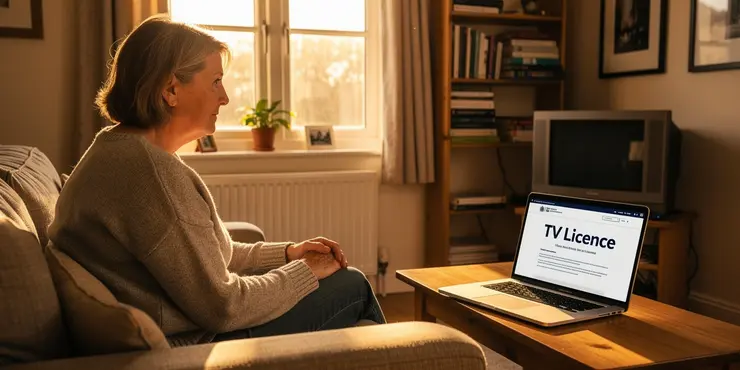
In the UK, a TV licence is not based on whether a channel is British or foreign. It depends on what you watch and how you watch it. If you watch live TV, you usually need a licence.
This applies even if the channel is based overseas. For example, live news, sport, or entertainment channels from another country still count if you are watching them as they are broadcast.
When a licence is usually required
You need a TV licence if you watch or record live television on any channel. That includes foreign channels watched through satellite, cable, streaming services, or internet apps.
You also need one if you use BBC iPlayer. The BBC has its own licensing rules, and watching or downloading programmes on iPlayer requires a valid TV licence, even if you are not watching live TV elsewhere.
When you may not need one
If you only watch on-demand content, you generally do not need a TV licence. This means programmes that are available to watch whenever you want, rather than being shown live.
For example, box sets, catch-up services, and some streaming platforms are outside the licence requirement if you are not watching live broadcasts. The key question is whether the content is being shown live.
Foreign channels on streaming services
Some streaming platforms offer live foreign channels, and these still count as live TV. It does not matter that the broadcaster is outside the UK. If the programme is being transmitted in real time, a licence is usually needed.
By contrast, if the same service only offers recorded shows or films on demand, a licence is not normally required. Always check whether the content is live or available later.
What about watching from abroad?
If you are physically in the UK and watching live TV, UK licensing rules apply. It does not matter if the signal comes from another country or if the broadcaster is not based in the UK.
If you live overseas and are not watching in the UK, different rules may apply in that country. But for UK residents, the main issue is where you are and whether the content is live.
Simple rule to remember
If it is live TV, you probably need a TV licence. That includes foreign channels, no matter how you receive them.
If it is only on-demand and you are not using BBC iPlayer, you usually do not need one. When in doubt, it is worth checking the official TV Licensing guidance to make sure you are covered.
Frequently Asked Questions
A TV license for foreign TV channels is a permit, registration, or authorization required in some countries to legally broadcast, retransmit, distribute, or receive television channels originating from outside the country.
A TV license for foreign TV channels may be needed by broadcasters, cable operators, IPTV providers, hotels, bars, service apartments, or other businesses that show or redistribute foreign television channels, depending on local law.
Eligibility for a TV license for foreign TV channels usually depends on the applicant type, local licensing rules, technical capacity, tax compliance, and whether the applicant has the right to retransmit or display the channels.
To apply for a TV license for foreign TV channels, you typically submit an application to the relevant media or telecommunications authority, provide company and technical details, pay required fees, and attach any channel authorization agreements.
Common documents for a TV license for foreign TV channels include business registration records, identification of the applicant, technical transmission details, channel lineup, contracts or permissions from content owners, and proof of fee payment.
The cost of a TV license for foreign TV channels varies by country, channel count, business size, and intended use, and may include application fees, annual license fees, and possible content or retransmission royalties.
Processing time for a TV license for foreign TV channels depends on the regulator and completeness of the application, but it can range from a few days to several weeks or longer if reviews or approvals are required.
Yes, a hotel may be able to obtain a TV license for foreign TV channels if local regulations allow hospitality premises to provide foreign channels and the hotel secures the necessary permissions and pays the required fees.
Yes, a restaurant may need or be able to obtain a TV license for foreign TV channels if it displays foreign TV in public areas, but the exact requirement depends on local copyright, broadcasting, and licensing rules.
Penalties for not having a TV license for foreign TV channels can include fines, shutdown orders, confiscation of equipment, civil claims from rights holders, or criminal liability in jurisdictions with strict enforcement.
A TV license for foreign TV channels does not always cover streaming services, because streaming may be regulated under separate rules for internet content, retransmission, or public performance.
No, a TV license for foreign TV channels is not always the same as copyright permission; one may be a government or regulatory authorization, while the other is permission from content owners or distributors.
Usually no, because a personal TV license for foreign TV channels generally does not authorize commercial, public, or multi-user viewing in a business setting.
To renew a TV license for foreign TV channels, you normally file a renewal request before expiration, update any changed business or technical information, and pay the renewal fee required by the authority.
A TV license for foreign TV channels may or may not be transferable, depending on local law; many authorities require a new application or prior approval before ownership changes.
The channels covered by a TV license for foreign TV channels are usually listed in the license or approval document, and coverage may be limited to specific foreign broadcasters, packages, or regions.
You may still need a TV license for foreign TV channels if local rules regulate reception, public viewing, or commercial display, even when you are not rebroadcasting the channels.
Yes, foreigners can often apply for a TV license for foreign TV channels if they have legal business presence, meet local regulatory requirements, and provide the necessary documentation.
A TV license for foreign TV channels is usually issued by a national communications regulator, broadcasting authority, media ministry, or similar government agency, depending on the country.
You can check the rules for a TV license for foreign TV channels on the official website of the relevant broadcasting, media, or telecom regulator, or through a qualified local legal advisor.

Ergsy Search Results
This website offers general information and is not a substitute for professional advice.
Always seek guidance from qualified professionals.
If you have any medical concerns or need urgent help, contact a healthcare professional or emergency services immediately.
Some of this content was generated with AI assistance. We've done our best to keep it accurate, helpful, and human-friendly.
- Ergsy carefully checks the information in the videos we provide here.
- Videos shown by Youtube after a video has completed, have NOT been reviewed by ERGSY.
- To view, click the arrow in centre of video.
- Most of the videos you find here will have subtitles and/or closed captions available.
- You may need to turn these on, and choose your preferred language.
- Go to the video you'd like to watch.
- If closed captions (CC) are available, settings will be visible on the bottom right of the video player.
- To turn on Captions, click settings.
- To turn off Captions, click settings again.