
Get Answers
Do you need a referral to see a menopause specialist?
In the UK, you may not always need a GP referral to see a menopause specialist. It depends on whether you are using NHS services or going privately. Some private clinics allow you to book directly, while many NHS specialist menopause clinics ask for a referral first.
If you are unsure, check the clinic’s website or call them before booking. They can tell you whether they accept self-referrals or need a referral from your GP. This can save time and help you choose the right route.
Seeing a specialist through the NHS
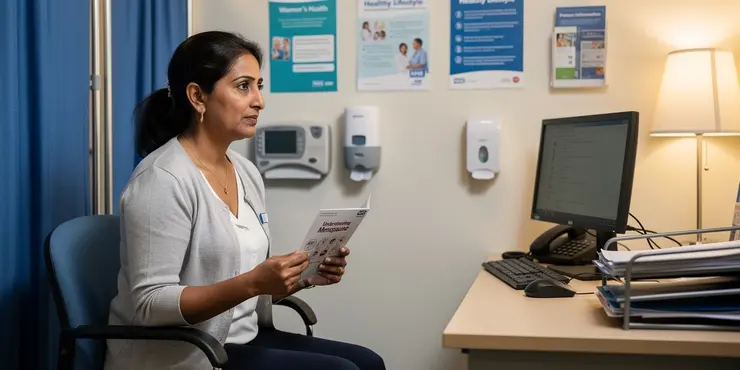
For NHS care, the usual first step is to speak to your GP or practice nurse. They can assess your symptoms and discuss treatment options with you. In many cases, your GP can manage menopause symptoms without needing to refer you elsewhere.
If your symptoms are complex, severe, or not improving, your GP may refer you to a menopause specialist or hospital clinic. This is more likely if you have a history of cancer, early menopause, unusual bleeding, or problems with hormone replacement therapy. A referral may also be needed if your case is outside routine menopause care.
Seeing a specialist privately
Private menopause clinics often let you book an appointment without a GP referral. This can be a quicker route if you want to be seen promptly or if you prefer a second opinion. You may still want to speak to your GP first so you can share relevant medical history and current medication.
Even if a referral is not required, some private specialists may ask for information from your GP. This helps them understand your symptoms and any health conditions that could affect treatment. It can also make follow-up care easier if you later return to NHS services.
Why a referral can still be useful
A referral is not just about access. It can help make sure you reach the right specialist and receive care that matches your needs. Your GP can also rule out other causes of symptoms, such as thyroid problems, anxiety, or heavy bleeding from a different cause.
If you are considering hormone replacement therapy, a GP referral or review can be especially helpful. They can check whether HRT is suitable for you and explain the risks and benefits. This gives you a clearer idea of your options before seeing a specialist.
What to do next
If you think you may need menopause specialist support, start by booking a GP appointment. Ask whether they can manage your symptoms or whether a referral would be appropriate. If you want private care, contact the clinic directly and ask about their referral policy.
Whichever route you choose, keep a note of your symptoms, periods, and any medicines you take. This makes your appointment more useful and helps the clinician understand your situation quickly. It can also speed up decisions about the best treatment for you.
Frequently Asked Questions
It depends on the specialist and your health system. Some menopause specialists accept self-referrals, while others require a referral from a primary care doctor or gynecologist.
Often yes, but not always. Many private clinics allow direct booking, but some insurance plans and hospital systems require a referral first.
A referral may be needed for insurance coverage, to coordinate care, or to ensure your symptoms are reviewed by a primary care clinician before seeing a specialist.
Some insurance plans do, especially HMOs or certain managed care plans. PPOs and self-pay visits may not require one, but it is best to check with your insurer.
Yes. A gynecologist can often provide a referral if your symptoms are complex, severe, or not improving with standard treatment.
A menopause specialist may be a gynecologist, endocrinologist, or other clinician with advanced training in managing perimenopause and menopause symptoms.
You do not always have to, but it can be a good first step. Your primary care doctor can evaluate your symptoms and help determine whether a referral is needed.
In many cases, yes. Some clinics are open to self-referrals, especially those focused on women’s health or private specialty care.
Check the specialist’s office policy and contact your insurance company. They can tell you whether a referral is required for scheduling or coverage.
Sometimes. A referral may streamline the booking process, especially in large health systems, but wait times still depend on the clinic and availability.
If your symptoms are severe, call the specialist’s office and explain your situation. You may still be able to schedule directly or be advised to seek urgent care if needed.
Not necessarily. The need for a referral depends on the clinic and insurance, not on hormone therapy itself. The specialist will decide if treatment is appropriate after evaluation.
Yes. Some nurse practitioners and physician assistants have specialized training in menopause care and can provide expert evaluation and treatment.
Sometimes, but many telehealth clinics accept direct bookings. Insurance rules still may require a referral even for virtual visits.
Bring your symptom history, menstrual changes, medications, medical conditions, and any recent lab results or notes from your referring doctor.
Yes. If you want a second opinion about menopause symptoms or treatment options, you can ask your doctor for a referral to a specialist.
Yes, it is a good idea. Sharing this information helps keep your care coordinated and prevents duplicate tests or conflicting treatments.
Not everywhere. If specialists are limited locally, telehealth or larger regional clinics may offer access without requiring a referral.
No. A referral only helps you see the specialist. The specialist will decide what tests or treatments are appropriate based on your symptoms and health history.
Start by checking whether your insurance or clinic requires a referral, then contact your primary care doctor or gynecologist if one is needed.

Ergsy Search Results
This website offers general information and is not a substitute for professional advice.
Always seek guidance from qualified professionals.
If you have any medical concerns or need urgent help, contact a healthcare professional or emergency services immediately.
Some of this content was generated with AI assistance. We've done our best to keep it accurate, helpful, and human-friendly.
- Ergsy carefully checks the information in the videos we provide here.
- Videos shown by Youtube after a video has completed, have NOT been reviewed by ERGSY.
- To view, click the arrow in centre of video.
- Most of the videos you find here will have subtitles and/or closed captions available.
- You may need to turn these on, and choose your preferred language.
- Go to the video you'd like to watch.
- If closed captions (CC) are available, settings will be visible on the bottom right of the video player.
- To turn on Captions, click settings.
- To turn off Captions, click settings again.