
Get Answers
Introduction
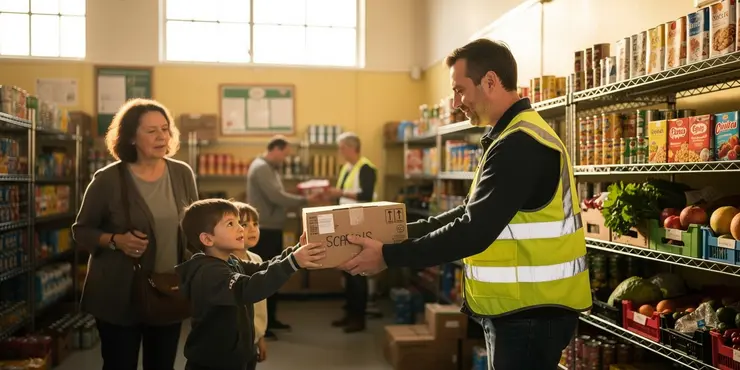
Food banks play a crucial role in supporting individuals and families facing food insecurity. In the UK, food banks provide essential food supplies to those in need, often relying on donations and volunteers to operate. If you are considering visiting a food bank, you might be wondering whether you need to make an appointment before attending. This article provides information on how to access food banks in the UK, including appointment requirements.
Understanding How Food Banks Operate
The majority of food banks in the UK are part of networks such as the Trussell Trust, which operates a large number of food banks across the country. These food banks usually require a referral from a professional or organization who is assisting you, such as a social worker, health visitor, or Citizens Advice Bureau. Once you have a referral, you are typically given a voucher that allows you to collect food from the food bank.
Do You Need an Appointment?
Whether you need to make an appointment to visit a food bank can vary depending on the specific food bank's policies. Many food banks may require you to have an appointment or designated time to collect your food, especially in periods of high demand or due to space limitations. This helps manage the flow of visitors and ensures that everyone receives the assistance they need in a timely manner.
However, some food banks operate on a drop-in basis, where you can visit during opening hours without the need for a prior appointment. It is essential to check the specific requirements of the food bank you intend to visit.
How to Find Out the Requirements
To determine whether an appointment is necessary, visit the website of the food bank network or the individual food bank you plan to use. Many food banks provide detailed information on their processes, including how to obtain referrals, opening hours, and whether an appointment is needed. Alternatively, you can call the food bank directly to ask about their specific policies.
Local directories or the Citizens Advice Bureau can also provide guidance on accessing food banks and their requirements.
Conclusion
In conclusion, while some food banks in the UK may require an appointment to manage resources effectively, others may allow you to access their services on a drop-in basis. Understanding the particular requirements of the food bank you plan to visit will ensure you can access the support you need without unnecessary hurdles. Always check in advance to have a smooth and supportive experience.
Introduction
Food banks help people who need more food. In the UK, food banks give food to those who need it. They work with the help of people who donate food and volunteer. If you want to go to a food bank, you might think, "Do I need an appointment?" This guide tells you how to visit a food bank in the UK and if you need to make an appointment first.
Understanding How Food Banks Operate
Most food banks in the UK are part of groups like the Trussell Trust. This group runs many food banks. To use these food banks, you usually need someone like a social worker or a helper from Citizens Advice to refer you. They will give you a voucher. This voucher lets you collect food from the food bank.
Do You Need an Appointment?
Some food banks might want you to make an appointment. This means you pick a time to get your food. This is important when many people need food. It helps make sure everyone gets food when they need it. But some food banks let you come in during opening times without an appointment. Always check what the food bank needs before you go.
How to Find Out the Requirements
To know if you need an appointment, visit the food bank's website. It will tell you how to get a voucher, the opening times, and if you need an appointment. You can also call the food bank and ask them what you need to do. Another way to get help is to ask the Citizens Advice Bureau.
Conclusion
Some food banks in the UK need appointments, and others do not. Knowing what the food bank needs before you visit helps you get food quickly and easily. Always check first so you can have a good experience.
Frequently Asked Questions
First-time visitors usually need to book an appointment, bring a valid photo ID if available, and provide basic household information such as the number of people in the home. Some food banks may also ask for proof of address or income, depending on local rules.
Eligibility varies by food bank, but many require that you live within a certain service area and are facing food insecurity. Some may also ask about household size, income, or emergency need before confirming an appointment.
You typically schedule by phone, online form, email, or through a partner agency. The food bank may ask for your name, contact details, household size, and preferred pickup date or time.
Common documents include a photo ID, proof of address, and sometimes proof of household income or benefits. Some food banks accept utility bills, lease agreements, or mail with your current address if you do not have other documents.
Some food banks require proof of income, while others do not. If it is required, they may accept pay stubs, benefit letters, tax forms, or a self-declaration of need.
Many food banks ask for proof of address to confirm that you live in their service area. Acceptable documents often include a utility bill, lease, government letter, or other official mail with your current address.
In many cases, a designated person can pick up food on your behalf if the food bank allows it. They may need your permission, your household information, and their own ID to complete the appointment requirements.
Bring any required identification, proof of address, and any documents the food bank requested when the appointment was booked. It is also helpful to bring reusable bags, a list of dietary needs, and contact information in case staff need to reach you.
Yes, emergency visits may have simpler requirements or faster processing. Some food banks still require basic ID or contact information, but they may waive other documents if you have an urgent need.
Some food banks use income limits to determine eligibility, while others serve anyone in need. If income limits are used, the food bank will usually explain the threshold and what documents are acceptable.
Many food banks require that you live in a specific city, county, or service area. If residency rules apply, you may need to show proof of address or confirm your location during booking.
Most food banks allow rescheduling if you cannot attend your appointment. It is important to contact them as soon as possible so they can update your record and offer the slot to someone else.
If you do not meet the requirements, the food bank may ask you to provide missing documents, refer you to another location, or place you on a waiting list. Some programs may still offer emergency help or alternative services.
Children are usually counted as part of the household when determining eligibility and food amounts. You may need to provide the number of children in your home, but children do not usually need to attend the appointment.
Yes, many food banks ask for a phone number or email so they can confirm your appointment, send reminders, or notify you about changes. Accurate contact information helps prevent missed appointments.
Some food banks offer modified appointment requirements for seniors, such as priority time slots, delivery options, or reduced paperwork. The exact rules depend on the program and local policies.
Some food banks provide accommodations for people with disabilities, including accessible appointment times, curbside pickup, or help with forms. It is best to tell the food bank about any accessibility needs when you book.
Some food banks accept walk-ins, but many require an appointment to manage demand and reduce wait times. If walk-ins are allowed, you may still need to complete basic registration or eligibility checks.
Arriving 10 to 15 minutes early is usually a good idea so staff can check your information and avoid delays. If you arrive too late, the food bank may need to reschedule your appointment.
Contact the food bank before your appointment to ask what alternatives they accept. Many programs can work with other documents, self-attestation, or help you replace missing paperwork.

Ergsy Search Results
This website offers general information and is not a substitute for professional advice.
Always seek guidance from qualified professionals.
If you have any medical concerns or need urgent help, contact a healthcare professional or emergency services immediately.
Some of this content was generated with AI assistance. We've done our best to keep it accurate, helpful, and human-friendly.
- Ergsy carefully checks the information in the videos we provide here.
- Videos shown by Youtube after a video has completed, have NOT been reviewed by ERGSY.
- To view, click the arrow in centre of video.
- Most of the videos you find here will have subtitles and/or closed captions available.
- You may need to turn these on, and choose your preferred language.
- Go to the video you'd like to watch.
- If closed captions (CC) are available, settings will be visible on the bottom right of the video player.
- To turn on Captions, click settings.
- To turn off Captions, click settings again.