
Get Answers
Introduction
If you're planning to attend a first aid course in the UK, you might be wondering what you need to bring with you. Being prepared will help you make the most of the course and ensure that you are comfortable during the training sessions. Here is a comprehensive guide on what to consider bringing to a first aid course.
Course Materials
One of the primary questions people have is whether they need to bring their own materials or books. Generally, first aid courses provided by reputable organizations such as St John's Ambulance or the British Red Cross will supply you with the necessary course materials. These typically include a manual or handbook that outlines the procedures and techniques you'll be learning. However, it's a good idea to confirm with the course provider beforehand.
Clothing
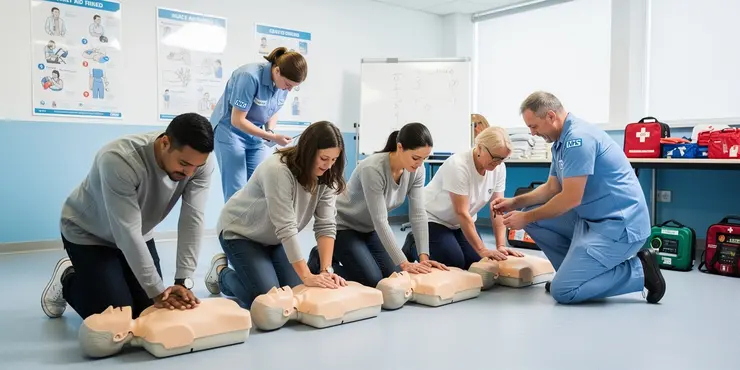
When attending a first aid course, it's important to wear comfortable clothing. The training involves practical exercises that may require you to move around, kneel, or even lie down. Wear loose-fitting clothing that allows for a full range of motion. It's also advisable to wear comfortable shoes as you might be standing or moving for extended periods.
Note-taking Supplies
While most courses provide a manual, bringing a notebook and a pen is always a good idea for taking additional notes. Jotting down key points or any questions you might have during the course can help reinforce learning. Some people also find it helpful to highlight sections in the provided handbook; bringing a highlighter might be useful in this case.
Food and Drinks
First aid courses can be several hours long, so it's wise to bring a bottle of water to stay hydrated. Many courses will have scheduled breaks, but having your own drink ensures you don't get thirsty. Regarding food, check with the course provider if lunch or snacks are provided. If not, bringing a packed lunch or some snacks is a good idea, especially if you're attending a full-day course.
Proof of Identity
Some first aid courses may require you to provide proof of identity, especially if the course leads to a certification. Bringing a form of ID, such as a driving license or passport, ensures that your attendance and identity can be verified if necessary.
Conclusion
Ultimately, the key to being prepared for a first aid course is checking with the course provider for any specific requirements. However, bringing comfortable clothing, note-taking materials, water, food, and potentially an ID will keep you equipped and ready to engage fully in the training. Being well-prepared will enable you to focus more on learning these vital life-saving skills.
Introduction
If you are going to a first aid course in the UK, you might think about what to bring. Being ready can help you enjoy the course and feel comfy. Here is a simple guide on what to take to a first aid course.
Course Materials
Many people ask if they need to bring their own books. Most first aid courses, like those by St John's Ambulance or the British Red Cross, give you all the books you need. You usually get a book that shows you what you will learn. You should ask the course provider to be sure.
Clothing
Wear comfy clothes to the first aid course. You will do activities that need you to move, kneel, or lie down. Wear loose clothes so you can move easily. Comfy shoes are good too since you may stand or walk a lot.
Note-taking Supplies
Even if you get a book, bringing a notebook and a pen is smart. Writing down important stuff or questions helps you learn better. Some people like to highlight parts of the book. If you do, bring a highlighter.
Food and Drinks
First aid courses can be long. It's good to bring a water bottle so you stay refreshed. Courses usually have breaks, but your own drink stops you from getting thirsty. For food, ask if they give lunch or snacks. If not, bring your lunch or snacks, especially for a full-day course.
Proof of Identity
Some courses need you to show who you are, especially if they give a certificate. Bring an ID, like a driving license or passport, so your attendance and identity can be checked if needed.
Conclusion
The best way to be ready for a first aid course is to ask the course provider for any special needs. But bringing comfy clothes, note-taking things, water, food, and maybe an ID will help you be ready. Being prepared helps you focus on learning these important skills.
Frequently Asked Questions
Generally, you don't need to bring anything as materials are usually provided. Check with the course provider for specific requirements.
It's a good idea to bring a notebook and pen for taking notes, but it may not be necessary as some courses provide them.
Wear comfortable clothing as you may need to participate in practical scenarios that involve physical activity.
No, first aid kits and other necessary materials are usually provided during the course.
Bringing a water bottle can be helpful to stay hydrated during the course.
This varies by provider. Check in advance if meals or snacks are provided, or if you should bring your own.
It's best to ask the course provider, as recording policies can vary.
It's generally unnecessary, but check if there are prerequisites that require proof of previous certifications.
Yes, personal medications are allowed, but keep them with you and inform the instructor if necessary.
Arriving at least 10-15 minutes early is recommended to ensure you're settled before the course starts.
Some courses require ID for registration verification, so bring it just in case.
Rules about electronic device usage vary, so check with the provider or instructor about their policy.
CPR masks are typically provided in the course, but you can bring your own if you prefer.
Confirm parking arrangements with the course provider before the course starts.
Prerequisites vary by course. Verify with the provider if any prior materials or knowledge are required.
Most first aid courses don't require a computer, but check if there are any online components.
A change of clothes is usually not needed unless specified by the course provider.
If meals are not provided, bringing your own lunch is a good idea. Confirm with the provider beforehand.
Medical equipment like stethoscopes is not needed for basic first aid courses.
Contact the course provider directly for guidance on what to bring.
You usually don't need to bring anything because the class gives you what you need. But it's a good idea to ask the class teacher if you should bring something special.
It is a good idea to bring a notebook and pen to write down important things. But, sometimes you might not need them because some classes give you paper and pen.
Wear clothes that are comfy. You might need to take part in activities where you move around a lot.
No, you don't have to bring anything. The course will give you first aid kits and everything you need.
It's a good idea to bring a water bottle. This will help you stay healthy by drinking enough water while you are in the class.
Different places do things in their own way. Ask before you go if they give you food or snacks. If not, you might need to bring your own.
It's a good idea to ask the people who run the course, because the rules about recording can be different.
You usually don't need to, but sometimes you have to show certificates you got before. Check if you need to do this.
Yes, you can bring your own medicine. Keep it with you. Tell the teacher if you need to.
Try to get there 10 to 15 minutes early. This way, you can get ready before the class starts.
Some classes might need to check who you are, so bring your ID just in case. An ID is something like a card that shows your name and picture.
Different places have different rules for using electronic devices. Ask the person in charge, like your teacher, to know what the rules are where you are.
CPR masks are usually given to you in the class, but you can bring your own if you want.
Check where to park your car before the course begins. Ask the course people for help.
Different courses need you to know different things before you start. Check with the people who run the course to see what you need to know.
Most first aid classes don't need a computer. But check if you need to do anything online.
You do not need to bring extra clothes unless the course says you have to.
If no one is giving you food, it's a good idea to bring your own lunch. Check with the organizer first to make sure it's okay.
You don't need special tools like stethoscopes for basic first aid classes.
Ask the people who run the course what you need to bring with you.

Ergsy Search Results
This website offers general information and is not a substitute for professional advice.
Always seek guidance from qualified professionals.
If you have any medical concerns or need urgent help, contact a healthcare professional or emergency services immediately.
Some of this content was generated with AI assistance. We've done our best to keep it accurate, helpful, and human-friendly.
- Ergsy carefully checks the information in the videos we provide here.
- Videos shown by Youtube after a video has completed, have NOT been reviewed by ERGSY.
- To view, click the arrow in centre of video.
- Most of the videos you find here will have subtitles and/or closed captions available.
- You may need to turn these on, and choose your preferred language.
- Go to the video you'd like to watch.
- If closed captions (CC) are available, settings will be visible on the bottom right of the video player.
- To turn on Captions, click settings.
- To turn off Captions, click settings again.