
Get Answers
Is CBT effective for menopause-related issues?
Yes, cognitive behavioural therapy (CBT) can be effective for some menopause-related issues, especially when symptoms are affecting daily life. It is not a hormone treatment, so it does not replace HRT or other medical care. But it can help with how women cope with symptoms such as hot flushes, sleep problems, anxiety and low mood.
CBT is a talking therapy that looks at the link between thoughts, feelings and behaviours. The aim is to help people manage difficult symptoms in a more practical way. For menopause, this may include changing unhelpful thought patterns, reducing stress and improving sleep habits.
What does the evidence say?
Research suggests CBT can reduce how much menopause symptoms bother someone, even if it does not always reduce the symptoms themselves. This is an important difference. For example, hot flushes may still happen, but they may feel less distressing and easier to manage.
Studies have shown benefits for women who experience problems with sleep, anxiety and the emotional impact of menopause. CBT may also help improve confidence and day-to-day functioning. In the UK, it is often recommended as part of a wider approach to menopause care.
What issues can CBT help with?
CBT may be particularly helpful for insomnia, which is common during menopause. A therapist can help with routines, worries around sleep and habits that make rest harder. Better sleep can improve energy, mood and concentration.
It can also support women dealing with panic, irritability or low confidence. Some people become anxious about symptoms happening in public or at work. CBT can offer tools to break that cycle and reduce avoidance.
Is CBT right for everyone?
CBT is not a cure-all, and it may not suit everyone. Some women will need medical treatment as well, especially if symptoms are severe. Hormone replacement therapy, lifestyle changes and support from a GP may still be important.
The best approach often depends on the person and the type of symptoms they have. CBT is usually most useful when someone wants help managing the impact of menopause on their wellbeing. It can be used alongside other treatments, rather than instead of them.
Getting help in the UK
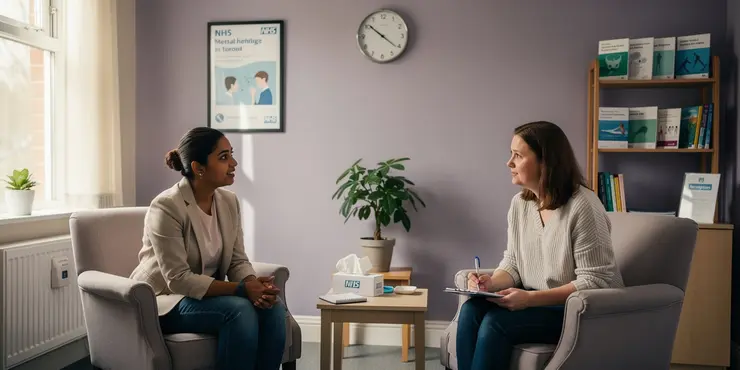
If menopause symptoms are affecting your mood, sleep or quality of life, speak to your GP. They can discuss treatment options and may suggest CBT, HRT or both. Some areas in the UK offer CBT through the NHS, while private therapy is also available.
It is worth asking for a therapist who understands menopause, if possible. That can make the sessions more relevant and practical. With the right support, many women find CBT gives them useful tools to feel more in control.
Frequently Asked Questions
CBT for menopause-related issues effectiveness refers to how well cognitive behavioral therapy helps reduce the distress caused by menopause-related symptoms such as hot flashes, sleep problems, mood changes, and worry. It works by helping people identify unhelpful thought patterns, build coping skills, and change behaviors that can make symptoms feel more overwhelming.
CBT for menopause-related issues effectiveness is generally considered modest but meaningful for hot flashes and night sweats, especially in reducing how bothersome they feel and improving coping. It may not always reduce the number of episodes dramatically, but it can lower distress, improve sleep, and help people feel more in control.
CBT for menopause-related issues effectiveness is often strong for menopause-related sleep problems, particularly when insomnia is linked to stress, worry, or waking after night sweats. It can improve sleep habits, reduce sleep anxiety, and help people fall back asleep more easily.
CBT for menopause-related issues effectiveness can be quite helpful for anxiety during menopause because it targets catastrophic thinking, rumination, and avoidance behaviors. Many people find that CBT reduces worry about symptoms, aging, health, and daily functioning.
CBT for menopause-related issues effectiveness can help with low mood and mild to moderate depression by improving coping skills, increasing activity, and challenging negative thoughts. It is often used alongside other treatments when symptoms are more severe.
CBT for menopause-related issues effectiveness often becomes noticeable within several weeks, though a typical course may last 6 to 12 sessions. Some people benefit from shorter programs, while others need more time depending on symptom severity and goals.
CBT for menopause-related issues effectiveness may be suitable for many people experiencing menopause-related hot flashes, sleep disturbance, anxiety, mood changes, or stress. It is often appropriate for those who prefer non-hormonal support or want additional coping tools alongside medical care.
CBT for menopause-related issues effectiveness differs from hormone therapy because it focuses on coping and symptom distress rather than changing hormone levels. Hormone therapy may reduce physical symptoms more directly for some people, while CBT can be especially useful for distress, sleep, and quality of life.
CBT for menopause-related issues effectiveness can still help if symptoms are severe, but it may work best as part of a broader treatment plan. People with intense symptoms sometimes benefit from combining CBT with medical evaluation, sleep support, or other therapies.
Group CBT for menopause-related issues effectiveness can be very helpful and is often similar to individual CBT for many common menopause concerns. Group formats may also add peer support, shared strategies, and a sense of normalizing the experience.
CBT for menopause-related issues effectiveness targets the emotional and behavioral impact of symptoms such as hot flashes, night sweats, insomnia, irritability, anxiety, low mood, concentration problems, and fear of symptoms recurring. It can also help with stress related to life changes during midlife.
Online CBT for menopause-related issues effectiveness can be helpful and convenient, especially for people who cannot easily attend in-person sessions. Many digital programs provide structured lessons, practice exercises, and symptom tracking that support meaningful improvement.
CBT for menopause-related issues effectiveness tends to work better when people practice skills regularly, have realistic expectations, and address sleep, stress, and daily routines. Motivation, symptom patterns, and whether other health issues are present can also affect results.
CBT for menopause-related issues effectiveness may not always reduce the number of hot flashes by a large amount, but it often reduces how intense or disruptive they feel. Many people report less anxiety about flashes and less interference with daily life.
CBT for menopause-related issues effectiveness can improve quality of life by reducing symptom burden, improving sleep, lowering distress, and increasing confidence in managing menopause. This can make day-to-day activities, work, and relationships feel easier.
CBT for menopause-related issues effectiveness is generally considered safe because it is a non-drug therapy with low risk of physical side effects. Some sessions may bring up difficult emotions, but a trained therapist can help manage that process supportively.
CBT for menopause-related issues effectiveness can often be used alongside other treatments, including lifestyle changes, sleep strategies, and medical care. It is commonly combined with hormone therapy or non-hormonal medicines when appropriate and approved by a clinician.
CBT for menopause-related issues effectiveness is working if symptoms feel less distressing, sleep improves, coping feels easier, and daily functioning gets better over time. Keeping track of symptom frequency, severity, and mood can help show progress.
In a CBT for menopause-related issues effectiveness program, you can expect education about menopause, tracking symptoms, learning coping strategies, practicing relaxation or thought-challenging skills, and setting behavior goals. Sessions often include homework or practice between appointments.
You should talk to a clinician about CBT for menopause-related issues effectiveness if menopause symptoms are affecting sleep, mood, work, or relationships, or if you want non-hormonal support. A clinician can help determine whether CBT alone or a combination approach is most appropriate.

Ergsy Search Results
This website offers general information and is not a substitute for professional advice.
Always seek guidance from qualified professionals.
If you have any medical concerns or need urgent help, contact a healthcare professional or emergency services immediately.
Some of this content was generated with AI assistance. We've done our best to keep it accurate, helpful, and human-friendly.
- Ergsy carefully checks the information in the videos we provide here.
- Videos shown by Youtube after a video has completed, have NOT been reviewed by ERGSY.
- To view, click the arrow in centre of video.
- Most of the videos you find here will have subtitles and/or closed captions available.
- You may need to turn these on, and choose your preferred language.
- Go to the video you'd like to watch.
- If closed captions (CC) are available, settings will be visible on the bottom right of the video player.
- To turn on Captions, click settings.
- To turn off Captions, click settings again.