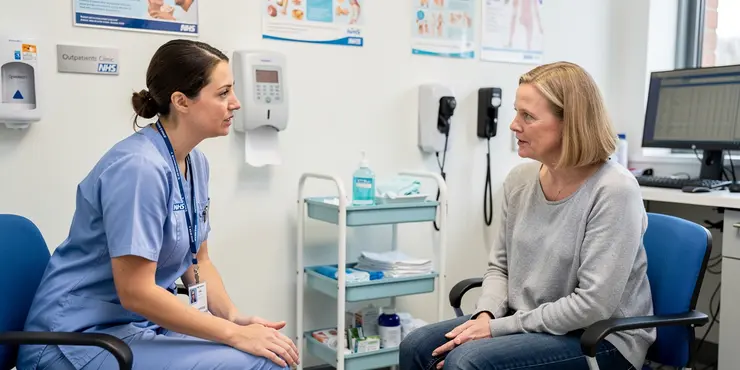

Speak To An Expert
Get clear, personalised advice for your situation.
Jot down a few questions to make the most of your conversation.
Introduction to the Appendix
The appendix is a small, tube-shaped organ located in the lower right abdomen, attached to the large intestine. It is commonly discussed in the context of appendicitis, an inflammatory condition that often requires surgical removal of the appendix. Despite its presence, many people wonder about the role of the appendix and whether it's possible to live without it.
Functions of the Appendix
Historically, the appendix has been considered a vestigial organ, meaning it no longer has a clear role in human biology. Some researchers suggest the appendix may have functions related to the immune system, particularly during the early years of life. It's believed to act as a storage site for beneficial gut bacteria, helping replenish the colon microbiota after gastrointestinal disturbances. However, these roles are not critical for survival, and alternative ways for maintaining gut health exist.
Can You Live Without an Appendix?
Yes, you can live without an appendix. The removal of the appendix, known as an appendectomy, is a common procedure often performed when someone has appendicitis. Appendicitis occurs when the appendix becomes inflamed and filled with pus, causing severe abdominal pain. Surgery is required to prevent the appendix from bursting, which could lead to more serious complications like peritonitis or abscess formation.
Life After Appendix Removal
Most people who undergo an appendectomy recover fully and experience no long-term health issues. The body adapts well to the absence of the appendix, and its functions are compensated by other systems and processes within the body. Patients can typically resume normal activities within a few weeks post-surgery, albeit some might need longer depending on the complexity of their case and recovery rate.
Impact on Health and Lifestyle
Generally, there are no significant health consequences after an appendectomy for the average person. Dietary habits and digestive efficiency should remain unchanged. However, a minority of people report changes in bowel habits, though these are often temporary. Regular follow-ups with healthcare providers ensure early detection and management of any postoperative complications, which are rare but can occur.
Conclusion
In conclusion, living without an appendix does not pose any known risk to life and health, especially in individuals with a typical recovery. Scientific advancements and surgical expertise in the UK ensure that appendectomies are safe and effective. While the appendix may have some functions, modern medicine enables individuals to live healthy lives without it, reaffirming the human body’s remarkable adaptability.
What Is the Appendix?
The appendix is a small, tube-like part in your belly, at the bottom right side. It is attached to the large intestine. We often hear about the appendix when people talk about appendicitis. This is when the appendix gets sick and needs to be taken out by a doctor. Many people ask why we have an appendix and if we can live without it.
What Does the Appendix Do?
For a long time, people thought the appendix didn’t do much. Some think it might help the body fight germs when you are young. It might also help by keeping good bacteria safe when your stomach is upset. But you don’t need it to be healthy, because there are other ways to keep your tummy happy.
Do You Need the Appendix to Live?
No, you don’t need the appendix to live. Doctors often take it out when it causes problems. This operation is called an appendectomy. Appendicitis is when the appendix gets very sore and can make your belly hurt a lot. Doctors remove it to stop more dangerous things from happening, like when it might burst.
What Happens After the Appendix Is Gone?
Most people are okay after having their appendix taken out. They feel better and have no long-term health problems. Your body adjusts well and takes over the things the appendix did. People can go back to normal things a few weeks after surgery, but some might take longer to feel better, depending on how quickly they heal.
How Does It Affect Your Health and Daily Life?
Usually, life continues as normal after the appendix is gone. You can eat and digest food just like before. Some people might notice small changes in how often they go to the toilet, but this usually doesn’t last long. It’s important to see your doctor regularly after the surgery to check everything is okay.
The Last Word
To sum up, you don’t need an appendix to stay healthy. The operation to remove it is safe in the UK, and doctors are very good at doing it. Even though the appendix might help a little, people live just fine without it thanks to modern medicine. Your body is really good at adjusting when things change.
Frequently Asked Questions
The appendix is a small, tube-shaped organ attached to the large intestine. It is located in the lower right abdomen.
The appendix has no essential function in the human body, although it may play a role in the immune system by storing beneficial gut bacteria.
Yes, you can live without an appendix. Many people have their appendix removed and live normal, healthy lives without it.
Appendicitis is the inflammation of the appendix, often caused by a blockage, which can lead to severe abdominal pain and requires medical treatment.
If the appendix bursts, it can lead to a serious infection called peritonitis, which requires urgent medical attention.
An appendix is typically removed through a surgical procedure called an appendectomy, which can be done laparoscopically or through open surgery.
After an appendectomy, patients are usually advised to follow a light diet initially and gradually return to their normal diet as they recover.
Recovery from an appendectomy varies, but most people can return to normal activities within a few weeks, depending on the type of surgery performed.
No, living without an appendix does not affect digestion, as the appendix is not involved in the digestive process.
There is no significant increase in the risk of infections after the removal of the appendix. The immune system compensates for its absence.
Complications from an appendectomy are rare but can include infection, bleeding, and reactions to anesthesia.
Yes, an appendectomy is often performed as an emergency procedure when someone is diagnosed with appendicitis.
There is no surefire way to prevent appendicitis, as its exact cause is not fully understood.
Common symptoms include sudden abdominal pain starting around the navel, loss of appetite, nausea, and fever.
In some cases, antibiotics may be used to treat appendicitis, but surgery is the standard treatment to prevent recurrence or rupture.
There are generally no long-term effects from removing the appendix, as it does not have a vital role in the body.
Generally, no significant lifestyle changes are required after an appendectomy, aside from a short recovery period.
Antibiotics may be prescribed post-surgery to prevent infection, particularly if the appendix was ruptured.
Once the appendix is removed, appendicitis cannot recur, as the organ is no longer present.
Laparoscopic appendectomy often results in a quicker recovery and less postoperative pain compared to open appendectomy.
The appendix is a small tube. It is joined to the big intestine. It is found in the lower right side of the tummy.
The appendix is a small part inside our body. It does not have an important job. It might help our body fight germs by keeping good bacteria in our belly.
Yes, you can live without an appendix. Many people have their appendix taken out and still live normal, healthy lives without it.
Appendicitis is when your appendix gets sore and swollen. This can happen when something blocks it. It hurts a lot in your belly, and you need to see a doctor to get it fixed.
If the appendix pops, it can cause a bad infection called peritonitis. This is very serious, and a doctor needs to help right away.
The appendix is a small part of the body that sometimes needs to be taken out if it causes problems. Doctors do this with an operation called an appendectomy. There are two ways to do this operation: one way uses small cuts and a special camera; the other way uses a bigger cut. Both ways work to take out the appendix.
After having surgery to take out the appendix, people should eat simple foods at first. Slowly, they can start eating their regular foods again as they get better.
Getting better after having your appendix removed can be different for everyone. But most people can go back to their normal activities in a few weeks. This can depend on the kind of surgery they had.
No, you can live without an appendix. The appendix does not help with digesting food.
Taking out the appendix does not make you more likely to get infections. The immune system works well without it.
Problems after taking out your appendix do not happen often. But sometimes, people can get an infection, bleed, or feel sick from the medicine that makes them sleep during the surgery.
If you want help understanding this, you can talk to a doctor or nurse. They can explain it in a way that’s easy to understand.
Yes, doctors often do an appendectomy as an emergency operation if someone has appendicitis.
No one knows exactly what causes appendicitis, so we can't say for sure how to stop it from happening.
Signs to look out for:
- Tummy pain near the belly button
- Not feeling hungry
- Feeling sick
- Feeling hot or having a fever
If you have these signs, it's a good idea to talk to a grown-up or see a doctor. Using picture stories or apps can help explain how you feel if talking is hard.
Doctors can sometimes use medicine called antibiotics to help when someone has appendicitis. But usually, doctors do an operation to fix it. This helps make sure it doesn't come back or get worse.
When doctors take out your appendix, it usually doesn’t cause problems later. The appendix is not important for your body to work.
After you have your appendix taken out, you don't need to change how you live. You just need some time to get better.
After surgery, the doctor might give you medicine called antibiotics. This helps stop infections, especially if the burst appendix made a mess inside.
Once doctors take out the appendix, appendicitis can't happen again because the appendix is gone.
When doctors take out your appendix using a small camera, people usually feel better faster and have less pain afterward than when doctors use a big cut.

Ergsy Search Results
This website offers general information and is not a substitute for professional advice.
Always seek guidance from qualified professionals.
If you have any medical concerns or need urgent help, contact a healthcare professional or emergency services immediately.
Some of this content was generated with AI assistance. We've done our best to keep it accurate, helpful, and human-friendly.
- Ergsy carefully checks the information in the videos we provide here.
- Videos shown by Youtube after a video has completed, have NOT been reviewed by ERGSY.
- To view, click the arrow in centre of video.
- Most of the videos you find here will have subtitles and/or closed captions available.
- You may need to turn these on, and choose your preferred language.
- Go to the video you'd like to watch.
- If closed captions (CC) are available, settings will be visible on the bottom right of the video player.
- To turn on Captions, click settings.
- To turn off Captions, click settings again.