
Get Answers
Can small dogs be carried into shops, cafes and public transport?
In the UK, whether a small dog can be carried into a shop, cafe or on public transport depends on the place’s own rules. There is no single nationwide law that says all small dogs can be carried everywhere. Many businesses and services make their own policies about dogs.
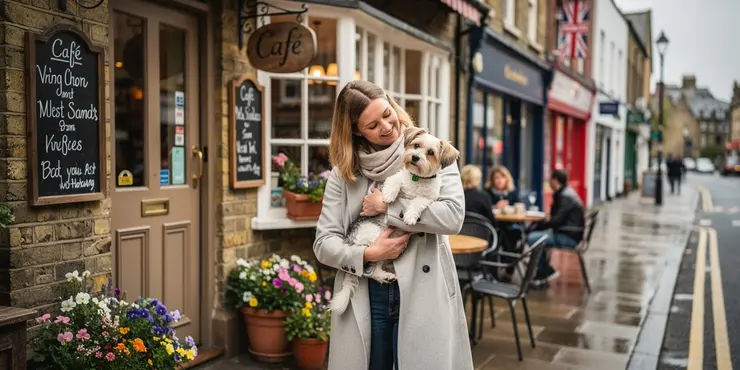
In practice, carrying a small dog in your arms or in a carrier can make access easier. Some places welcome dogs if they are contained, while others allow only assistance dogs. It is always worth checking ahead before you travel or walk in.
Shops and cafes
Independent shops and cafes often decide for themselves whether dogs are allowed. Some are very dog-friendly and may even provide water bowls or treats. Others may allow small dogs only if they are carried or kept in a bag or basket.
Food hygiene rules can affect access, especially in places serving open food. Staff may be cautious even if your dog is tiny and well behaved. A polite question at the door usually gives the clearest answer.
Public transport rules
Train and bus policies vary, but many UK operators do allow dogs. Small dogs are often permitted as long as they do not take a seat or block other passengers. Some services ask that dogs are on a lead, in a carrier, or under control at all times.
On trains, you may usually bring more than one dog, but there can be limits during busy periods or on certain routes. On buses and coaches, the driver or company policy may be stricter. If in doubt, check the operator’s website before travelling.
Carrying a dog: when it helps and when it does not
Carrying a small dog can help reduce stress in crowded or noisy places. It may also prevent your dog from being stepped on or getting underfoot. For nervous dogs, being held close can feel safer.
However, being carried does not automatically mean entry is allowed. Some businesses and transport providers still refuse dogs altogether, except assistance dogs. If your dog is in your arms, you should still ask permission before entering.
Good etiquette and practical tips
Even when a small dog is allowed, it is important to consider other people. Keep your dog calm, clean and secure, and avoid letting it sniff food, jump up or bark. A small carrier can be useful if you need both hands free.
It is also sensible to carry wipes, a water bowl and treats. If your dog is not confident in busy spaces, start with short trips. Being prepared makes it easier to enjoy shops, cafes and transport without causing problems for anyone else.
Frequently Asked Questions
Rules vary by venue and transport operator, but small dogs carried in arms, a carrier, or a suitable bag are often allowed where pets are permitted. Always check posted policies, keep the dog under control, and avoid blocking aisles, entrances, or seating areas.
Many shops allow small dogs carried by their owner, but some stores ban all pets or only allow assistance dogs. It is best to look for a pet-friendly notice or ask staff before entering.
Some cafes welcome small dogs if they are carried and kept off tables and chairs, while others only allow service animals. Policies may depend on local health rules and the individual cafe's preference.
Some public transport systems allow small dogs if they are carried in a secure carrier, bag, or similar container, while others restrict pets entirely or require a ticket. Check the transport provider's rules before traveling.
Keeping small dogs carried helps reduce risks to hygiene, safety, and comfort for other customers and passengers. It also lowers the chance of the dog being stepped on, startled, or escaping.
A secure, well-ventilated carrier or sling that supports the dog's weight and keeps it close to your body is usually best. The carrier should be stable, comfortable, and easy to carry without blocking others.
Small dogs should be fully supported in a carrier, bag, sling, or by firm arms so they cannot jump out. Make sure zippers, closures, and straps are secure before entering a shop, cafe, or vehicle.
Keep the dog clean, dry, and free from strong odors, and clean up any accidents immediately. Bring wipes, waste bags, and a towel so you can handle spills, drool, or fur responsibly.
The dog should stay calm, quiet, and under control without barking, lunging, or trying to jump out. If the dog becomes disruptive, you may need to leave the venue or disembark.
Even small carried dogs can trigger allergies or discomfort for others, so keep distance when possible and follow staff instructions. In shared spaces, it is courteous to avoid crowded areas and respect people who ask for more space.
No, small dogs should not sit on tables, counters, or food-preparation surfaces, and many venues also prohibit them on seats. They should remain in your arms or a carrier unless the venue specifically allows otherwise.
It is wise for small dogs to wear a collar with an ID tag and to be microchipped. Some transport systems or venues may also ask for proof of vaccination or other documents.
Yes, service dogs usually have broader access rights than pet dogs, including many shops, cafes, and transport services. Small pet dogs carried in a carrier are subject to the venue's pet policy and local rules.
Stay polite, follow the staff member's instructions, and ask whether there is a pet-friendly exception or an alternate entrance or area. If the policy does not allow dogs, you should leave and choose a pet-friendly place instead.
Safety concerns include falls, overheating, crowding, getting stepped on, and stress from noise or movement. A secure carrier, careful handling, and avoiding busy times can reduce these risks.
That depends on the dog's age, health, and temperament, but they need regular breaks for water, stretching, and toileting when possible. Do not keep a dog confined longer than it can comfortably tolerate.
Bring waste bags, wipes, water, a collapsible bowl, treats, an ID tag, and any required paperwork. A towel or blanket can help keep the carrier clean and make the dog more comfortable.
Gradually accustom the dog to the carrier, noises, crowds, and short trips before attempting longer outings. Reward calm behavior so the dog learns to stay relaxed in public settings.
Keep the dog close, avoid crowding others, and ask permission before letting anyone interact with it. Clean up after the dog, keep it quiet, and leave if it becomes disruptive.
Local laws and venue rules may differ on where pets are allowed, how they must be carried, and whether carriers are required. Always check current rules for the specific shop, cafe, or transport system before going.

Ergsy Search Results
This website offers general information and is not a substitute for professional advice.
Always seek guidance from qualified professionals.
If you have any medical concerns or need urgent help, contact a healthcare professional or emergency services immediately.
Some of this content was generated with AI assistance. We've done our best to keep it accurate, helpful, and human-friendly.
- Ergsy carefully checks the information in the videos we provide here.
- Videos shown by Youtube after a video has completed, have NOT been reviewed by ERGSY.
- To view, click the arrow in centre of video.
- Most of the videos you find here will have subtitles and/or closed captions available.
- You may need to turn these on, and choose your preferred language.
- Go to the video you'd like to watch.
- If closed captions (CC) are available, settings will be visible on the bottom right of the video player.
- To turn on Captions, click settings.
- To turn off Captions, click settings again.