
Get Answers
Can Pets Damage Mosquito Screens?
Mosquito screens are common in many UK households, providing a barrier against insects while allowing ventilation. However, if you have pets, especially cats and dogs, you may wonder about the potential for damage to these screens. This article explores how pets can affect mosquito screens and suggests ways to mitigate potential damage.Types of Pets and Their Interaction with Screens
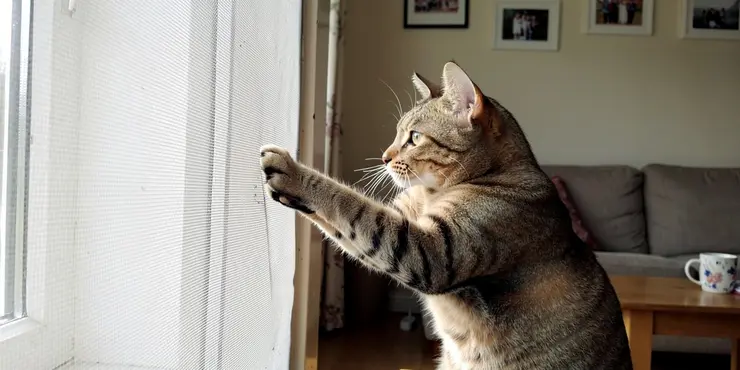
Pets, particularly cats and dogs, are naturally curious. Cats often love windows and ledges, which might lead them to paw at or lean against mosquito screens. Their claws can easily snag the mesh, especially if they are trying to catch something on the other side. Dogs, on the other hand, might accidentally press against the screens if they're excited or trying to get a better view outside, possibly pushing or tearing the fabric.Common Types of Damage
The most common types of damage pets can cause to mosquito screens include tears from claws, holes from biting, and loosening from excessive pushing or leaning. The type and extent of the damage often depend on the mesh's material and strength, as well as how often and vigorously the pet interacts with the screen.Preventative Measures
To prevent pets from damaging mosquito screens, consider using pet-resistant screens, which are made of tougher materials like vinyl-coated polyester. These screens are better at withstanding the wear and tear from claws and paws. Additionally, providing your pets with an alternative clear view, such as pet-friendly spaces by the window that don't require them to touch the screens, can reduce their interest in the screens themselves.Training and Behavioural Solutions
Training pets to stay away from screens is another effective measure. Positive reinforcement techniques can be employed to discourage them from jumping or pushing on these screens. For cats, offering scratching posts or pads can divert their attention and satisfy their natural clawing instincts.Conclusion
While pets can potentially damage mosquito screens, this can be significantly mitigated by using durable materials, providing alternate viewing spots, and through behavioral training. By taking these preventative measures, UK pet owners can enjoy the benefits of mosquito screens without compromising on the safety and well-being of their furry companions.Can Pets Damage Mosquito Screens?
Mosquito screens help keep bugs out of our homes. They let fresh air in. But if you have pets like cats and dogs, you might worry they can hurt these screens. This article looks at how pets might damage screens and how to stop it.How Pets Interact with Screens
Pets like cats and dogs are curious. Cats love to look out of windows. They might touch or lean on the screens with their paws. Their sharp claws can rip the screen. Dogs might bump into the screens when they are excited or want to see outside better. This can push or tear the material.Types of Damage
Pets can cause different damage to screens. Cats and dogs might tear them with claws, bite holes, or loosen them by pushing. The amount of damage depends on how strong the screen is and how much pets touch it.How to Stop Damage
You can stop pets from hurting screens by using stronger screens. Pet-resistant screens are made from tough stuff like vinyl-coated polyester. They handle scratching and pushing better. Give your pet a good spot to look outside without touching the screens. This can make them less interested in the screens.Training Your Pets
You can train pets to stay away from screens. Use rewards to teach them not to jump or push on the screens. Give cats other things to scratch, like posts or pads. This helps satisfy their need to use their claws.Conclusion
Pets might damage mosquito screens, but you can stop this with tougher screens, good spots to see outside, and training. This way, people in the UK can use mosquito screens and keep their pets safe and happy.Frequently Asked Questions
Yes, pets can potentially damage mosquito screens by scratching, clawing, or pushing against them.
You can prevent damage by using pet-resistant screens, installing protective grills, or training pets to avoid the screens.
Yes, there are pet-resistant screens made from stronger materials that can withstand clawing and scratching.
Pet-resistant screens are typically made from vinyl-coated polyester which is more durable than standard fibreglass.
Pet-resistant screens are very effective as they are designed to endure the wear and tear caused by pets.
Yes, cats can damage screens by clawing or climbing them, especially if they see something interesting outside.
Signs of damage include tears, holes, or frayed edges on the screen.
Small tears can be fixed with screen repair kits, while larger damages may require replacing the screen section.
Slight damage can compromise the screen's ability to keep insects out, so repairs should be conducted promptly.
Training methods include rewarding pets for staying away and using deterrents like citrus scents near the screens.
Yes, using pet-safe deterrent sprays can discourage pets from approaching the screens.
It's a good idea to inspect your screens regularly, such as once a month, to catch and repair any damages early.
It depends on the individual pet. Dogs may cause damage by pushing or jumping, while cats may claw or climb.
Yes, you can install protective grills or a secondary barrier to keep pets from reaching the screen.
If mosquito screens are consistently damaged, consider combining them with physical barriers like sliding screen doors.
Yes, pets can sometimes damage mosquito screens. They might scratch, claw, or push against them.
You can stop damage by using strong screens that pets can't tear, putting up metal covers in front of screens, or teaching pets to stay away from the screens.
Yes, there are special screens for pets. They are made from strong materials that do not break easily. These screens can hold up against pets scratching or clawing at them.
Pet-resistant screens are made from a strong material called vinyl-coated polyester. This is stronger than normal screens made from fibreglass.
Pet-resistant screens are very strong. They are made to last even if pets scratch or push them.
Yes, cats can scratch and tear screens with their claws. They might do this if they see something fun outside.
Look for tears, holes, or edges that are coming apart on the screen. These are signs of damage.
You can fix small tears with special screen repair kits. If the damage is big, you might need to change part of the screen.
If the screen gets a little bit damaged, bugs can get through. It's important to fix it quickly.
There are ways to teach pets not to touch screens. You can give them treats when they stay away. You can also try using smells they don't like, like citrus, near the screens.
Yes, you can use special sprays to keep pets away from the screens. These sprays are safe for pets.
Check your screens often, maybe once a month. This helps you find and fix any problems early.
Different pets act differently. Dogs can hit or jump on things and break them. Cats can use their claws or climb on things.
Yes, you can put up sturdy bars or an extra cover to stop pets from getting to the screen.
If mosquito screens keep getting broken, try using them with something strong like sliding screen doors.

Ergsy Search Results
This website offers general information and is not a substitute for professional advice.
Always seek guidance from qualified professionals.
If you have any medical concerns or need urgent help, contact a healthcare professional or emergency services immediately.
Some of this content was generated with AI assistance. We've done our best to keep it accurate, helpful, and human-friendly.
- Ergsy carefully checks the information in the videos we provide here.
- Videos shown by Youtube after a video has completed, have NOT been reviewed by ERGSY.
- To view, click the arrow in centre of video.
- Most of the videos you find here will have subtitles and/or closed captions available.
- You may need to turn these on, and choose your preferred language.
- Go to the video you'd like to watch.
- If closed captions (CC) are available, settings will be visible on the bottom right of the video player.
- To turn on Captions, click settings.
- To turn off Captions, click settings again.