
Get Answers
Introduction
Property boundaries in the UK are typically defined by legal documents such as deeds and maps. However, natural changes can sometimes alter these established boundaries, leading to disputes or the need for legal clarification. This article explores how natural changes can impact property boundaries and what property owners in the UK should be aware of.
Natural Changes and Their Impact
Natural changes refer to alterations in the landscape that occur without human intervention. These changes can include erosion, flooding, river course alterations, and land subsidence. Such processes can gradually or suddenly modify the physical boundaries on the ground, which might conflict with legally defined boundaries.
Erosion and Accretion
Erosion is the gradual wearing away of soil, rock, or land by natural forces such as water, wind, or ice. In cases where property is adjacent to bodies of water, erosion can shift the boundary inward, potentially reducing the size of the property. Conversely, accretion refers to the gradual deposition of additional material resulting in the expansion of a land area.
Under UK law, particularly in cases involving tidal waters or rivers, the principles of accretion and erosion can apply. Property boundaries may naturally expand through accretion or contract due to erosion. However, significant disputes can arise if the changes differ from the documented legal boundaries.
Flooding and River Course Changes
Flooding can lead to significant changes in land contours and affect property boundaries. In some regions, rivers may change courses due to heavy rains or other natural phenomena. When a river serving as a boundary changes its path, it can alter the boundary line, sometimes leading to legal complexities in property ownership.
The doctrine of "avulsion" applies, where sudden and perceptible changes do not necessarily alter property boundaries, unlike gradual changes. Therefore, property boundaries remain as they were prior to an avulsion event, even if the physical boundary appears different.
Land Subsidence
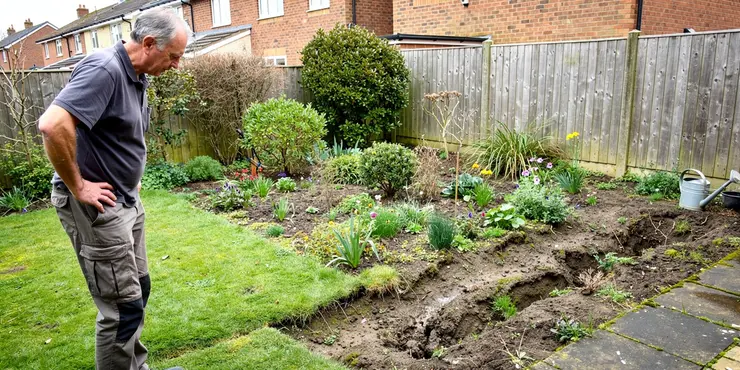
Land subsidence, often caused by mining or natural underground water movements, can also influence property boundaries. When the ground sinks or shifts, physical landmarks used to demarcate boundaries might move, potentially leading to disputes. Landowners must be vigilant where subsidence is prevalent and seek legal advice if necessary.
Conclusion and Legal Considerations
While natural changes can indeed impact property boundaries, the legal boundaries in the UK remain as delineated by official documents unless formally altered. Property owners facing boundary disputes due to natural changes should consult with legal experts to navigate the complexities involved. Understanding both the natural and legal aspects can help in safeguarding property rights.
Introduction
In the UK, property boundaries are usually marked by papers like deeds and maps. But, sometimes, natural changes can move these boundaries and cause disagreements. This article talks about how natural changes can affect property lines and what UK property owners should know.
Natural Changes and Their Impact
Natural changes happen without people doing anything. These changes can be things like erosion (land wearing away), flooding, changes in river paths, or land sinking. These processes can change the land boundaries you see, and they might not match what the papers say.
Erosion and Accretion
Erosion is when soil, rocks, or land slowly wear away because of water, wind, or ice. If you have a property near water, erosion can make your land smaller. Accretion is when new soil builds up, making your land bigger.
In the UK, if your property is near rivers or tidal waters, erosion might shrink your land, and accretion might make it bigger. But, if the changes don't match the legal papers, there can be arguments about where the boundary is.
Flooding and River Course Changes
Flooding can change the shape of the land and affect boundaries. Sometimes, a river might change its path because of heavy rain. If a river is the boundary between properties, its course change can cause confusion about property lines.
There's a rule called "avulsion," which means if changes happen suddenly and are easy to see, the boundary stays where it was before, even if it looks different now.
Land Subsidence
Land subsidence is when the ground sinks or shifts, often because of mining or water moving underground. This can move the landmarks used to mark boundaries, causing arguments. If your area has a lot of subsidence, it's good to be careful and maybe get legal advice.
Conclusion and Legal Considerations
Although natural changes can affect what property boundaries look like, in the UK, the legal boundaries are what is shown in official papers unless officially changed. If natural changes cause boundary disputes, property owners should talk to legal experts. Knowing about nature's effects and the law helps protect your property rights.
Frequently Asked Questions
Natural changes to property boundaries are boundary shifts caused by natural processes such as erosion, accretion, river movement, landslides, or shoreline changes that alter where a property line physically lies over time.
Natural changes to property boundaries can change the legal location of a boundary if the governing law recognizes gradual natural processes, but ownership outcomes depend on the type of change, local property law, and any recorded deeds or survey evidence.
In natural changes to property boundaries, erosion is the gradual loss of land caused by water, wind, or other natural forces, while accretion is the gradual buildup of land from deposited soil, sand, or sediment.
Rivers can change natural property boundaries through gradual processes like accretion and erosion, and in some cases through sudden events such as avulsion, which may have different legal effects than slow natural movement.
Avulsion in natural changes to property boundaries is a sudden and noticeable shift in land, often caused by flooding or a river changing course quickly, and it is often treated differently from gradual erosion or accretion in property law.
Responsibility for natural changes to property boundaries usually depends on the cause and the applicable law, but natural processes are generally not caused by a property owner; disputes often focus on rights, maintenance, and legal recognition rather than fault.
You can prove natural changes to property boundaries with historical surveys, aerial photographs, satellite imagery, deeds, expert reports, engineering studies, and witness testimony showing how the boundary area has changed over time.
Deeds can describe the original boundary, but natural changes to property boundaries may still alter the practical or legal boundary if the law recognizes the natural movement of the relevant land feature described in the deed.
Yes, natural changes to property boundaries can affect fences and improvements if the ground beneath them erodes, accretes, or shifts, which may place structures closer to, across, or farther from the legal boundary over time.
Natural changes to property boundaries often have the greatest impact on waterfront property because shorelines, riverbanks, and lake edges can move gradually, changing access, usable land area, and sometimes the boundary itself.
Natural changes to property boundaries are not always reversible, especially when land has been permanently lost to erosion or altered by long-term natural forces, though restoration or stabilization may be possible in some cases.
Surveys handle natural changes to property boundaries by comparing current physical conditions with recorded plats, deeds, monuments, and historical evidence to determine whether the boundary has shifted and how it should be described.
Common disputes from natural changes to property boundaries include disagreements over shoreline movement, river relocation, loss of land, new deposits of land, access rights, easements, and whether the change was gradual or sudden.
Natural changes to property boundaries can affect property taxes if the assessed land area, improvements, or access changes, but the exact tax impact depends on local assessment rules and whether the change is officially recognized.
Local laws govern natural changes to property boundaries by defining how boundaries move with natural features, what evidence is required, and whether gradual changes like accretion or erosion differ from sudden changes like avulsion.
Yes, natural changes to property boundaries can create new land through accretion or the recession of water, but whether a property owner gains rights to that land depends on the applicable legal framework.
If you suspect natural changes to property boundaries on your land, you should document the area, gather historical records, obtain a current survey, and consult a qualified property attorney or surveyor familiar with local boundary law.
Natural changes to property boundaries can affect neighboring owners by shifting access, reducing or increasing land area, altering drainage, and creating uncertainty about where each owner’s rights begin and end.
Yes, natural changes to property boundaries can lead to a title dispute when the physical land feature no longer matches the recorded description, causing disagreement over ownership, access, or the exact boundary location.
The best evidence for documenting natural changes to property boundaries over time includes dated surveys, historic maps, title records, photographs, aerial imagery, GIS data, expert analysis, and any official government records showing boundary movement.

Ergsy Search Results
This website offers general information and is not a substitute for professional advice.
Always seek guidance from qualified professionals.
If you have any medical concerns or need urgent help, contact a healthcare professional or emergency services immediately.
Some of this content was generated with AI assistance. We've done our best to keep it accurate, helpful, and human-friendly.
- Ergsy carefully checks the information in the videos we provide here.
- Videos shown by Youtube after a video has completed, have NOT been reviewed by ERGSY.
- To view, click the arrow in centre of video.
- Most of the videos you find here will have subtitles and/or closed captions available.
- You may need to turn these on, and choose your preferred language.
- Go to the video you'd like to watch.
- If closed captions (CC) are available, settings will be visible on the bottom right of the video player.
- To turn on Captions, click settings.
- To turn off Captions, click settings again.