
Speak To An Expert
Get clear, personalised advice for your situation.
Jot down a few questions to make the most of your conversation.
Introduction to IVF with Donor Eggs or Sperm
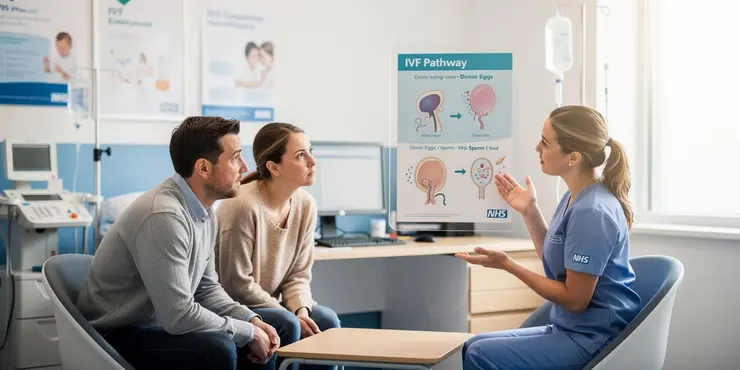
In vitro fertilisation (IVF) is a fertility treatment where eggs and sperm are combined outside the body to create embryos, which are then transferred to the uterus. For many couples and individuals in the UK, IVF with donor eggs or sperm can offer a pathway to parenthood when facing infertility challenges. This method is particularly beneficial for those who have specific medical or genetic considerations.
Why Use Donor Eggs or Sperm?
There are several reasons why donor eggs or sperm might be used during IVF. Some women may experience premature ovarian failure or have a low ovarian reserve, which makes using their own eggs challenging. In such cases, donor eggs can provide a viable option. Similarly, some men may have low sperm count or poor sperm quality, making conception difficult without assistance. Donor sperm can help overcome these issues. Additionally, same-sex couples or single individuals may require donor gametes to conceive.
The IVF Process with Donor Eggs
The IVF process with donor eggs involves a few distinct steps. Initially, the donor undergoes ovarian stimulation to produce multiple eggs. Once retrieved, these eggs are fertilized in the laboratory using sperm from the intended father or a sperm donor. The resulting embryos are cultured for several days, typically until they reach the blastocyst stage. After this, a selected embryo is transferred to the uterus of the intended mother or a gestational surrogate.
The IVF Process with Donor Sperm
When donor sperm is used, the process begins with the selection of an appropriate sperm donor. The sperm is then used to fertilize the eggs retrieved from the intended mother. As with donor egg IVF, the embryos are grown in the laboratory and an embryo is selected for transfer based on its quality and development. The goal is to achieve a successful implantation and pregnancy.
Legal and Ethical Considerations in the UK
In the UK, the use of donor eggs or sperm in IVF is regulated by the Human Fertilisation and Embryology Authority (HFEA). Donors must provide their consent, and recipients must be counseled about the implications of using donor gametes. Donors remain anonymous to the recipient parents, but children born from donation have the right to access identifiable information about their donors once they turn 18. This transparency promotes ethical practices while respecting the rights of all parties involved.
Conclusion
IVF using donor eggs or sperm offers a powerful solution for many dealing with infertility or reproductive challenges in the UK. With comprehensive regulation and advanced medical techniques, this option opens doors to those dreaming of starting or expanding their families. As always, potential recipients should seek thorough counseling and expert guidance to navigate their journey towards parenthood.
Introduction to IVF with Donor Eggs or Sperm
In vitro fertilisation, or IVF, is a special way to help make babies. It happens when eggs and sperm are put together outside the body to make tiny babies called embryos. These embryos are then placed in a woman's womb. In the UK, using donor eggs or sperm through IVF can help people become parents when they have trouble having babies on their own. This is really helpful for people with certain health issues.
Why Use Donor Eggs or Sperm?
Sometimes doctors use donor eggs or sperm during IVF for a few reasons. Some women may not have many eggs or have eggs that don't work well. Donor eggs can help these women become moms. Some men might have very few sperm, or their sperm might not work well, so they need donor sperm to help make a baby. Also, some single people or people in same-sex couples might need donor eggs or sperm to have children.
The IVF Process with Donor Eggs
When using donor eggs in IVF, there are a few steps. First, the woman who donates the eggs takes medicine to make her produce a lot of eggs. These eggs are then collected and mixed with sperm in a lab. The tiny babies, or embryos, grow for a few days. Then, the best embryo is put into the womb of the mom who wants to have the baby, or sometimes into another woman's womb who will carry the baby for them.
The IVF Process with Donor Sperm
Using donor sperm starts with choosing the right sperm donor. The donor sperm is used to mix with the eggs from the woman who wants the baby. Just like with donor egg IVF, the best little embryo is chosen and put into the mom's womb. The hope is that the baby will grow and be born healthy.
Legal and Ethical Considerations in the UK
In the UK, there are rules for using donor eggs or sperm in IVF, made by the Human Fertilisation and Embryology Authority (HFEA). People donating eggs or sperm must agree to it, and those receiving must learn about what this means. Donor names are kept secret, but children born this way can find out who the donor was when they turn 18 years old. This is to make sure everyone is treated fairly and kindly.
Conclusion
Using donor eggs or sperm in IVF is a great way for people in the UK to have babies when it's hard for them. With good rules and smart doctors, this helps people start families. Anyone thinking about IVF with donors should talk to experts and get good advice to help them on their journey to becoming parents.
Frequently Asked Questions
IVF with donor eggs involves using eggs from a donor to fertilize with sperm in a lab setting, with the resulting embryos transferred to the recipient's uterus.
IVF with donor sperm involves using sperm from a donor to fertilize the recipient's eggs or donor eggs in a lab setting, with the resulting embryos transferred to the recipient's uterus.
Individuals or couples may consider IVF with donor eggs if the intended mother has poor-quality eggs, premature ovarian failure, or genetic concerns.
Couples or individuals may use donor sperm if the male partner has infertility issues, the couple is in a same-sex relationship, or a single woman wants to conceive.
Donor eggs are obtained from a healthy donor who undergoes an ovarian stimulation process to produce multiple eggs, which are then retrieved for fertilization.
Donor sperm is typically obtained from a sperm bank, where it is collected, screened, and frozen until it is needed for fertilization.
Success rates for IVF with donor eggs tend to be higher than with own eggs due to the typically younger and healthier eggs from donors.
Legal considerations may include anonymity agreements, custody rights, and the donor's relinquishment of parental rights.
Yes, most donors receive compensation for their time, effort, and the medical procedures involved in donating eggs or sperm.
Yes, embryos created with donor eggs or sperm can undergo genetic testing for chromosomal abnormalities or genetic disorders.
Donor eggs can be used fresh or frozen, with both methods having their own advantages and considerations.
Selection is based on various criteria such as genetic background, physical characteristics, medical history, and sometimes personal preferences.
The recipient typically undergoes hormonal treatments to prepare the uterus for embryo implantation, while the donor undergoes ovarian stimulation.
The primary difference is the origin of the sperm, but the fertilization process in the lab and embryo transfer remain similar.
Yes, same-sex couples can use donor eggs or sperm to conceive through IVF, with one partner typically carrying the pregnancy.
Ethical concerns may include issues of anonymity, consent, and the potential future contact with the donor.
Yes, counseling is often recommended to address emotional and psychological considerations for the intended parents and any children conceived.
The IVF process can take several weeks to months, depending on synchronization between the donor and recipient or specific treatment protocols.
As with any medical procedure, there are risks such as ovarian hyperstimulation (for egg donors) and multiple pregnancies, along with potential emotional impacts.
Anonymity depends on regional laws and the policies of the fertility clinic or sperm bank, although some opt for open donations for potential future contact.
IVF with donor eggs means using eggs from another person. The eggs are mixed with sperm in a lab to make embryos. Then, the embryos are put into the person's body who wants to have a baby.
Here are some tools and tips to help you understand:
- Ask your doctor to explain it step by step.
- Use simple drawings or videos to see how it works.
- Talk with someone who has been through it before.
IVF with donor sperm is when a special kind of sperm from someone else is used to help make a baby. The sperm meets an egg in a lab, and together they make a tiny baby starting point called an embryo. This embryo is put into the person who wants to have the baby.
People or couples might think about using IVF with donor eggs if the woman's eggs are not healthy, her ovaries stop working early, or there are worries about passing on genetic problems.
People might use donor sperm if a man cannot have children, if two women want to have a baby together, or if a woman wants to have a baby by herself.
Donor eggs come from a healthy woman. She takes medicine to help her make more eggs. Then, doctors collect the eggs to use them for fertilization.
Tools to help: A parent or friend can read with you. Use pictures to understand the process better.
Donor sperm comes from a special place called a sperm bank. At the sperm bank, the sperm is collected, checked to make sure it is good, and then frozen until someone needs it to help make a baby.
Using donor eggs for IVF usually works better than using your own eggs. This is because donor eggs come from younger and healthier women.
There are some important things to think about in the law, like:
- Keeping names secret with an anonymity agreement.
- Who takes care of the child, called custody rights.
- The donor giving up their rights as a parent.
If this is hard to understand, you can:
- Use a dictionary to learn new words.
- Ask someone you trust to explain it to you.
- Draw a picture to help you understand.
Yes, most people who give their eggs or sperm get money. They get paid for their time, effort, and the medical steps they go through to donate.
Yes, we can do genetic tests on embryos made with donor eggs or sperm. These tests check for problems in chromosomes or genes.
You can use donor eggs in two ways: fresh or frozen. Both ways have good points and things to think about.
When we choose something, we look at different things. These include things like family history, how someone looks, their health history, and sometimes what they like.
Here are some tips to help understand better:
- Use pictures to help explain.
- Break information into small parts.
- Read with someone who can help.
The person getting the embryo takes special medicines. These medicines help the belly get ready for the tiny baby egg to go in. The person giving the eggs takes different medicines. These help make more eggs in their body.
The main difference is where the sperm comes from, but making a baby in the lab and moving the baby cell to the mom are mostly the same.
Yes, same-sex couples can have a baby. They can use a donor's eggs or sperm. They use a special process called IVF to help them. Usually, one partner will carry the baby in their tummy.
Ethical concerns are the things we should think about to make sure we are doing the right thing. Some things we might think about are:
- Keeping people's names and details secret. This is called anonymity.
- Making sure people say "yes" before we do something. This is called giving consent.
- Thinking about if we might talk to the donor again in the future.
It is important to respect people's privacy and choices. Sometimes using pictures or easy-to-read guides can help understand these ideas.
Yes, talking to a counselor can help parents and children with their feelings and thoughts.
The IVF process can take a few weeks or even a few months. This depends on how well the donor and recipient's schedules match up or the special treatment plan they are using.
Just like when you go to the doctor, there can be some problems. If someone donates eggs, their ovaries might get too big. Sometimes more than one baby can grow at the same time. This can make people feel a lot of different emotions too.
Being anonymous can be different in each place. It depends on local laws and the rules of the clinic or sperm bank. Some places let you choose to be open and meet in the future.

Ergsy Search Results
This website offers general information and is not a substitute for professional advice.
Always seek guidance from qualified professionals.
If you have any medical concerns or need urgent help, contact a healthcare professional or emergency services immediately.
Some of this content was generated with AI assistance. We've done our best to keep it accurate, helpful, and human-friendly.
- Ergsy carefully checks the information in the videos we provide here.
- Videos shown by Youtube after a video has completed, have NOT been reviewed by ERGSY.
- To view, click the arrow in centre of video.
- Most of the videos you find here will have subtitles and/or closed captions available.
- You may need to turn these on, and choose your preferred language.
- Go to the video you'd like to watch.
- If closed captions (CC) are available, settings will be visible on the bottom right of the video player.
- To turn on Captions, click settings.
- To turn off Captions, click settings again.