
Get Answers
Can industrial diseases be prevented?
Yes, many industrial diseases can be prevented or greatly reduced. In the UK, these illnesses often develop over time because of repeated exposure to hazards such as dust, noise, chemicals, vibration, or poor working practices.
Prevention depends on spotting risks early and putting proper controls in place. When employers follow health and safety law and workers use the right protection, the chance of harm falls significantly.
Common causes in the workplace
Industrial diseases are usually linked to long-term exposure rather than a single accident. Examples include lung disease from dust and fumes, hearing loss from loud machinery, and skin conditions from chemicals.
Some jobs carry a higher risk than others, including construction, manufacturing, welding, agriculture, and cleaning. However, problems can arise in any workplace if safety measures are weak or ignored.
How prevention works
The best approach is to remove the hazard altogether where possible. If that is not possible, employers should reduce the risk by changing work processes, improving ventilation, using safer substances, or limiting time spent exposed.
Training is also essential. Workers need to understand the risks, know how to use equipment safely, and follow procedures designed to protect their health.
Protective measures that help
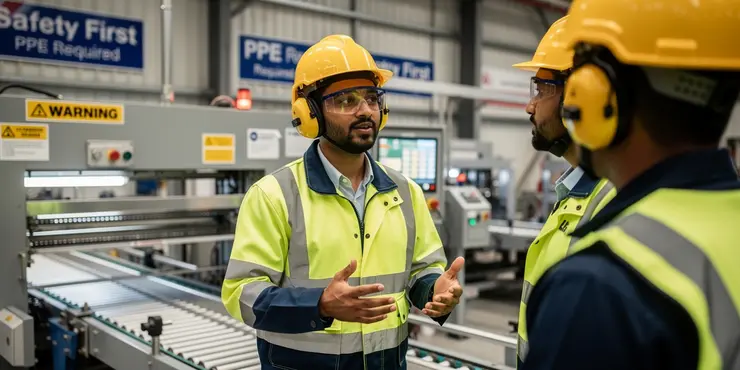
Personal protective equipment, or PPE, can be useful when used correctly. This may include gloves, masks, eye protection, ear defenders, or protective clothing, depending on the job.
However, PPE should not be the only control measure. It works best as part of a wider safety system that includes maintenance, supervision, regular inspections, and proper reporting of concerns.
The role of employers and employees
Employers have a legal duty to carry out risk assessments and act on the findings. They must provide a safe working environment and monitor health where workers are exposed to harmful substances or conditions.
Employees also play a part by following safety rules, using equipment properly, and reporting symptoms early. Acting quickly can prevent a minor issue from becoming a serious long-term illness.
Why early action matters
Industrial diseases often develop slowly, so the warning signs can be easy to miss. Regular health surveillance can help detect problems before they become permanent.
Early action can protect not only the individual worker but also others in the same workplace. In many cases, prevention is far better than treatment because damage from exposure may be irreversible once it has occurred.
Frequently Asked Questions
Many industrial diseases can be prevented or greatly reduced by controlling workplace hazards, using protective equipment, and following safety procedures.
The main ways include hazard identification, exposure control, ventilation, safe work practices, personal protective equipment, and regular training.
Yes, proper ventilation can reduce exposure to dust, fumes, vapors, and other airborne contaminants that cause illness.
Yes, PPE such as respirators, gloves, eye protection, and hearing protection can lower exposure when used correctly.
Regular health checks can detect early signs of exposure-related illness, allowing faster intervention and prevention of worsening conditions.
Yes, training helps workers recognize hazards, use controls properly, and follow safe procedures that reduce disease risk.
Yes, substituting less hazardous materials for toxic ones is one of the most effective ways to prevent disease.
Yes, safe work practices limit contact with harmful agents and help maintain a healthier workplace.
Yes, keeping the workplace clean reduces dust buildup, contamination, spills, and other exposure sources.
Yes, exposure monitoring shows whether workers are being exposed to harmful levels so controls can be improved quickly.
Yes, ergonomic improvements can prevent musculoskeletal disorders caused by repetitive motion, poor posture, or heavy lifting.
Yes, hearing loss can be prevented by controlling noise at the source, using barriers, and wearing hearing protection.
Yes, skin diseases can often be prevented by avoiding irritants, using gloves, washing properly, and applying skin protection.
Yes, engineering controls like machine guards, local exhaust ventilation, and automation are highly effective because they reduce hazards at the source.
Yes, staying within exposure limits helps reduce the chance of illness from chemicals, dust, noise, and other hazards.
Yes, good hygiene such as handwashing, changing clothes, and avoiding contamination can reduce harmful exposure.
Yes, strong management commitment is essential for providing training, equipment, policies, and enforcement of safety controls.
Not always, but many can be prevented to a large extent through effective risk control and consistent safety practices.
Yes, early reporting of symptoms and prompt action can stop minor exposure problems from becoming serious diseases.
Yes, a strong safety culture encourages everyone to identify hazards, follow procedures, and prioritize health protection.

Ergsy Search Results
This website offers general information and is not a substitute for professional advice.
Always seek guidance from qualified professionals.
If you have any medical concerns or need urgent help, contact a healthcare professional or emergency services immediately.
Some of this content was generated with AI assistance. We've done our best to keep it accurate, helpful, and human-friendly.
- Ergsy carefully checks the information in the videos we provide here.
- Videos shown by Youtube after a video has completed, have NOT been reviewed by ERGSY.
- To view, click the arrow in centre of video.
- Most of the videos you find here will have subtitles and/or closed captions available.
- You may need to turn these on, and choose your preferred language.
- Go to the video you'd like to watch.
- If closed captions (CC) are available, settings will be visible on the bottom right of the video player.
- To turn on Captions, click settings.
- To turn off Captions, click settings again.