
Speak To An Expert
Get clear, personalised advice for your situation.
Jot down a few questions to make the most of your conversation.
Introduction to Volunteering at a Food Bank
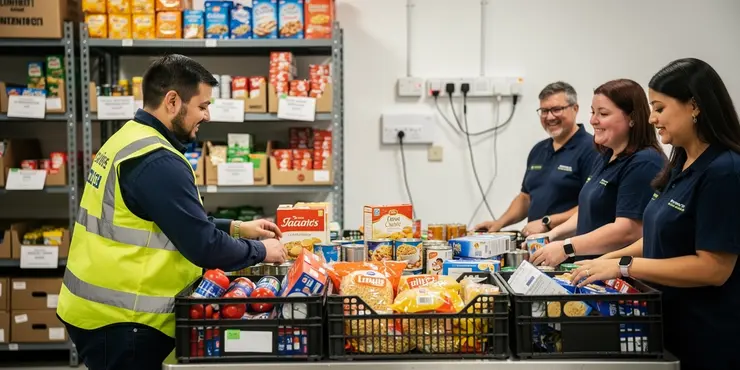
Volunteering at a food bank is a rewarding way to contribute to your community. In the UK, food banks play a crucial role in supporting people facing food insecurity. Volunteers are essential to the operation of food banks, as they help collect, organise, and distribute food to those in need. If you are considering volunteering, there are several things you might want to know about the process and how you can get involved.
Why Volunteer at a Food Bank?
Food banks provide an invaluable service by ensuring that individuals and families who are struggling can access essential food supplies. As a volunteer, you will be directly helping to improve the lives of people in your community. Volunteering also offers personal benefits, such as the opportunity to develop new skills, meet like-minded people, and gain a sense of fulfillment from giving back.
How to Find a Food Bank
In the UK, there are numerous food banks throughout the country. Many are part of larger organisations like The Trussell Trust or the Independent Food Aid Network. To find a food bank near you, you can visit their websites and use their search tools to locate nearby centres. Libraries, community centres, and local government websites might also have information on local food banks.
Getting Started as a Volunteer
Once you have identified a food bank you wish to volunteer with, the next step is to get in touch with them. Most food banks have a volunteer coordinator or outreach officer who can guide you through the application process. This might involve filling out a form or attending an orientation session. Depending on the food bank, you may also need to undergo a background check, especially if you will be working with vulnerable groups.
Types of Volunteer Opportunities
There are various roles available at food banks, catering to different skills and interests. Common tasks include sorting and packing food items, distributing food parcels, managing inventory, and assisting with administrative duties. Some food banks may also need volunteers for fundraising events or to help raise awareness about their services. Whether you have a few hours a month or can help on a regular basis, there is likely a role that suits your availability.
Conclusion
Volunteering at a food bank is an excellent way to make a practical impact in your community. By dedicating your time and effort, you help ensure that fewer people go hungry. With a range of roles available and the possibility to meet new people, volunteering can also be a personally enriching experience. If you're interested, reach out to your local food bank to start the journey of becoming a valued volunteer.
Introduction to Volunteering at a Food Bank
Helping at a food bank is a great way to help people around you. In the UK, food banks give food to people who need it. Volunteers are very important. They help collect, sort, and give out food. If you want to help, here is what you need to know.
Why Volunteer at a Food Bank?
Food banks make sure people have food to eat. By volunteering, you help make life better for others. You can also learn new things, make new friends, and feel happy you are helping.
How to Find a Food Bank
There are many food banks in the UK. Some are with groups like The Trussell Trust. To find one near you, look on their websites. You can also ask at libraries or community centres for help.
Getting Started as a Volunteer
When you find a food bank you like, get in touch with them. There will be someone to help you start. You might need to fill out a form or go to a meeting. Sometimes, they check your background, especially if you work with children or older people.
Types of Volunteer Opportunities
Food banks have different jobs. You can help sort food, pack it, or give it out. You might also help with office work. Some food banks need help with events to raise money. Whatever time you have, they can find a job for you.
Conclusion
Helping at a food bank helps your community. You make sure people have food to eat. Volunteering is also a good way to meet new people and learn. If you want to help, talk to a food bank near you and start your volunteering adventure.
Frequently Asked Questions
Volunteering at a food bank involves helping collect, sort, pack, and distribute food and other essentials to people in need. Volunteers may also assist with administrative tasks, client intake, inventory, or community outreach.
Eligibility for volunteering at a food bank usually depends on the organization’s age, background check, and training requirements. Many food banks welcome adults, teens with permission, and groups, but specific rules vary by location.
To apply for volunteering at a food bank, visit the food bank’s website or contact its volunteer coordinator. You will usually complete an application, choose a shift, and may need to attend an orientation or training session.
Common tasks when volunteering at a food bank include sorting donated food, packing boxes or bags, checking expiration dates, stocking shelves, loading deliveries, and helping distribute food to clients.
Most food banks do not require prior experience for volunteering at a food bank. Basic instructions are usually provided, and volunteers can learn tasks quickly with supervision and training.
For volunteering at a food bank, wear comfortable clothing, closed-toe shoes, and anything that allows safe movement and lifting. Some sites may also recommend gloves, long pants, or layered clothing depending on the work area.
The minimum age for volunteering at a food bank varies by organization. Some food banks allow younger teens with an adult, while others require volunteers to be 16 or 18 years old for certain tasks.
Training for volunteering at a food bank often includes safety guidelines, food handling rules, client privacy, and task-specific instructions. Some locations offer a brief orientation before the first shift.
Yes, many organizations welcome group volunteering at a food bank from workplaces, schools, faith groups, or community organizations. Group shifts may need to be scheduled in advance and may have size limits.
A typical volunteering at a food bank shift may last from one to four hours, depending on the location and task. Some food banks offer shorter or longer shifts to fit different schedules.
Volunteering at a food bank can be physically demanding because it may involve standing, lifting, bending, and carrying boxes. However, many food banks offer a variety of roles, including lighter tasks such as packing or sorting.
Many organizations offer flexible scheduling for volunteering at a food bank, including weekday, evening, or weekend shifts. Availability depends on the food bank’s staffing needs and volunteer system.
For volunteering at a food bank, you may need to bring a completed registration confirmation, a water bottle, and any required paperwork. Check the organization’s instructions in case they provide gloves, aprons, or other supplies.
Volunteering at a food bank is generally safe when volunteers follow instructions, use proper lifting techniques, and wear appropriate footwear. Food banks typically provide safety guidance and supervise volunteers to reduce risks.
Yes, volunteering at a food bank often counts toward community service hours for school, court, or workplace programs, as long as the organization can verify your participation. Always confirm the documentation requirements beforehand.
Yes, many food banks welcome regular volunteers for recurring shifts, especially for roles that require consistency. Regular volunteering at a food bank can help build familiarity with the work and support ongoing operations.
If you have food allergies, tell the food bank before volunteering at a food bank so they can assign safer tasks when possible. You should also review ingredient labels carefully and follow any medical precautions you normally use.
Yes, some volunteering at a food bank roles involve direct client interaction, such as greeting visitors, assisting with intake, or distributing food. These roles may require additional training on privacy, respect, and communication.
To find volunteering at a food bank opportunities near you, search local food banks, food pantry networks, community centers, or volunteer matching websites. You can also check social media pages or contact nearby nonprofit organizations directly.
People consider volunteering at a food bank because it helps reduce hunger, supports local families, and strengthens the community. It can also be a meaningful way to give back, meet others, and gain useful experience.

Ergsy Search Results
This website offers general information and is not a substitute for professional advice.
Always seek guidance from qualified professionals.
If you have any medical concerns or need urgent help, contact a healthcare professional or emergency services immediately.
Some of this content was generated with AI assistance. We've done our best to keep it accurate, helpful, and human-friendly.
- Ergsy carefully checks the information in the videos we provide here.
- Videos shown by Youtube after a video has completed, have NOT been reviewed by ERGSY.
- To view, click the arrow in centre of video.
- Most of the videos you find here will have subtitles and/or closed captions available.
- You may need to turn these on, and choose your preferred language.
- Go to the video you'd like to watch.
- If closed captions (CC) are available, settings will be visible on the bottom right of the video player.
- To turn on Captions, click settings.
- To turn off Captions, click settings again.