
Speak To An Expert
Get clear, personalised advice for your situation.
Jot down a few questions to make the most of your conversation.
Understanding Hosepipe Bans
Hosepipe bans, known officially as temporary use bans, are restrictions put in place by water companies in the UK during periods of water scarcity. These bans are designed to conserve water by prohibiting or limiting the use of hosepipes and sprinklers for activities such as watering gardens, cleaning cars, or filling pools. The goal is to ensure there is enough water for essential use and to maintain overall water supply throughout a drought.
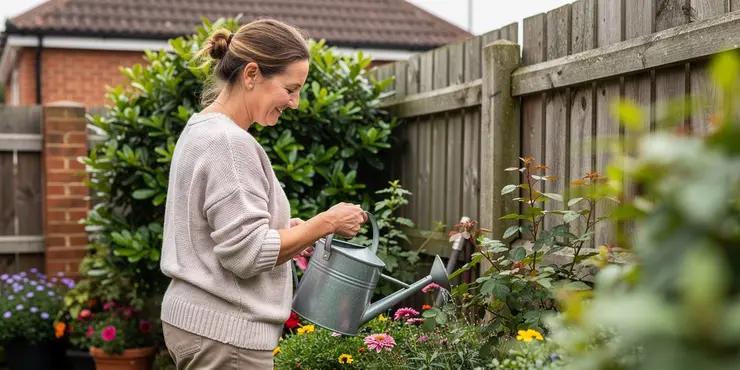
Can I Use a Watering Can During a Hosepipe Ban?
Generally, during a hosepipe ban, the use of watering cans is permitted. This is because watering cans require manual effort and tend to use significantly less water compared to hosepipes. Most water companies understand that gardens and plants may still need care and that watering cans are a more water-efficient method of maintaining healthy plants. However, rules can vary slightly depending on the water company implementing the ban, so it's always best to check their specific guidelines.
Benefits of Using a Watering Can
Using a watering can during a hosepipe ban has several benefits. Firstly, it encourages water conservation by limiting the amount of water used and focusing it precisely where it's needed. This targeted approach means less water wastage. Secondly, it gives gardeners better control over the amount of water each plant receives, preventing over-watering which can harm plants. Lastly, using a watering can fosters a more mindful approach to water usage, which can help individuals further develop sustainable water habits.
Tips for Watering Plants Efficiently
During a hosepipe ban, it's important to be as efficient as possible with the water you use. Here are a few tips: Water early in the morning or late in the evening to minimize evaporation. Focus on the base of the plant rather than the leaves to ensure water reaches the roots. Consider using rainwater collected in a water butt, as it’s not subject to the same restrictions and is better for plants than tap water. Lastly, mulch your garden to retain moisture in the soil.
Legal Considerations
While using a watering can is generally allowed, it’s crucial to follow the specific rules laid out by your local water company during a hosepipe ban. Breaching a hosepipe ban can result in fines, typically up to £1,000. Therefore, staying informed by reading announcements from your water provider or checking their website is important. This ensures that you comply with the regulations and contribute to water conservation efforts.
Understanding Hosepipe Bans
A hosepipe ban is a rule that stops people from using hosepipes. This happens when there is not enough water. In the UK, water companies make these rules. The bans help save water. You cannot use hosepipes to water gardens, wash cars, or fill pools. This makes sure there is enough water for everyone to use when it is really dry.
Can I Use a Watering Can During a Hosepipe Ban?
Yes, you can usually use a watering can during a hosepipe ban. Watering cans need more work to use, but they use less water. This helps to save water. Plants still need care, so using a watering can is okay. But, check with your water company to be sure of their rules.
Benefits of Using a Watering Can
Using a watering can is good in many ways. It saves water because you use only what you need. This means less wasted water. You can also give each plant the right amount of water, which helps them grow better. Using a watering can makes you think about how you use water, helping you learn good habits.
Tips for Watering Plants Efficiently
Here are some good tips for watering plants during a hosepipe ban: Water your plants early in the morning or late in the evening. This stops water from drying up too fast. Aim the water at the base of the plant, not the leaves, to help it get to the roots. Use rainwater if you can, as it’s better for plants and not banned. Add mulch to the soil to keep the water in longer.
Legal Considerations
Even though using a watering can is usually okay, always follow the rules from your local water company. If you break the rules, you could get a fine, which can be up to £1,000. Check what your water company says by reading their announcements or looking at their website. This helps make sure you follow the rules and help save water.
Frequently Asked Questions
A hosepipe ban is a restriction imposed by water companies to limit the use of hosepipes in order to conserve water, usually during drought conditions.
Yes, you can typically use a watering can during a hosepipe ban as it is considered a more efficient way of watering compared to using a hosepipe.
Watering cans are allowed because they use less water and encourage more targeted watering, which helps conserve water resources.
Generally, there are no specific restrictions on using a watering can, but it is advised to use water responsibly and avoid wastage.
Yes, you can fill a watering can from an outdoor tap, but ensure that the water is used efficiently and not wasted.
Yes, watering your garden with a watering can is permitted during a hosepipe ban as it helps conserve water.
Yes, using a watering can is generally more water-efficient as it allows for more controlled watering.
Washing cars is often restricted during a hosepipe ban, even with a watering can, so it's best to check specific local guidelines.
Yes, there are sometimes exceptions for certain uses and individuals, such as those with disabilities or businesses needing water for certain operations.
Certain businesses may have exemptions, but it depends on the local water company's rules and the nature of the business.
Yes, penalties can include fines, and the specifics vary depending on local regulations.
You can conserve water by using watering cans, collecting rainwater, and only watering plants that really need it.
Yes, using rain barrels to collect water is encouraged as it conserves water.
The duration of hosepipe bans varies depending on weather conditions and water availability, but they typically last until water levels are sufficient.
Some water companies may allow watering of newly planted lawns or plants, but this often needs special permission.
Water early in the morning or late evening to reduce evaporation and water at the base of plants to target roots.
Yes, using a bucket is also allowed as it conserves water similar to a watering can.
Hosepipe bans are imposed to ensure there is enough water for essential uses and prevent shortages during dry periods.
Yes, most water companies have hotlines or websites for reporting violations of hosepipe bans.
Using a watering can helps to reduce water waste, ensures targeted watering, and supports the sustainability of water resources.
A hosepipe ban means you cannot use a hosepipe. Water companies say this to save water, especially when there is not much rain.
Yes, you can use a watering can when there is a hosepipe ban. A watering can uses less water than a hosepipe.
Watering cans are okay to use. They use less water and help water the plants better. This saves water.
Using a watering can is usually okay for everyone. Remember to use water carefully and don't waste it.
Yes, you can use a tap outside to fill your watering can. Make sure you don't waste the water and use it wisely.
Yes, you can use a watering can to water your garden when there is a hosepipe ban. It helps save water.
Yes, using a watering can saves water because you can control how much you give to the plants.
During a hosepipe ban, you usually can't wash your car. Even using a watering can might not be allowed. It's a good idea to find out what the rules are in your area.
Yes, sometimes there are special rules. Some people, like those with disabilities, might get special rules. Businesses that need water for work can also have special rules.
Some businesses might not have to follow all the rules. It depends on what the water company says and what the business does.
Yes, sometimes you have to pay money if you break the rules. The amount can change depending on where you are.
You can save water by using a watering can. You can also collect rainwater. Only water the plants that need it.
Yes, using rain barrels to collect water is a good idea. It helps save water.
Hosepipe bans stop people using lots of water. They can last for different times.
How long they last depends on the weather and how much water we have.
When we have enough water, the bans will stop.
Using less water can help. You can also check the news or ask an adult to find out more.
Some water companies might let you water new grass or plants, but you usually need to ask for special permission first.
Water your plants when the sun is not too hot. This means in the early morning or late evening. Water the soil where the plant grows, not the leaves. This way, the water goes to the roots.
Yes, you can use a bucket. It saves water like a watering can.
Hosepipe bans help make sure we have enough water for important things. They stop us from running out of water when it is dry.
Yes, most water companies have phone numbers or websites. You can use them to tell if someone is breaking hosepipe rules.
Using a watering can can save water. It helps us use water carefully and makes sure plants get the water they need.

Ergsy Search Results
This website offers general information and is not a substitute for professional advice.
Always seek guidance from qualified professionals.
If you have any medical concerns or need urgent help, contact a healthcare professional or emergency services immediately.
Some of this content was generated with AI assistance. We've done our best to keep it accurate, helpful, and human-friendly.
- Ergsy carefully checks the information in the videos we provide here.
- Videos shown by Youtube after a video has completed, have NOT been reviewed by ERGSY.
- To view, click the arrow in centre of video.
- Most of the videos you find here will have subtitles and/or closed captions available.
- You may need to turn these on, and choose your preferred language.
- Go to the video you'd like to watch.
- If closed captions (CC) are available, settings will be visible on the bottom right of the video player.
- To turn on Captions, click settings.
- To turn off Captions, click settings again.