
Get Answers
Can poor hypo awareness affect NHS access?
Yes. If you have poor awareness of hypos, this can be an important factor when NHS clinicians consider whether you should be offered diabetes technology. In the UK, technology such as continuous glucose monitors and hybrid closed loop systems may be recommended when there is a clear clinical need.
Poor hypo awareness means you may not notice the early signs of low blood glucose. That can increase the risk of severe hypos, which is one reason some people are prioritised for support and technology.
What technologies may be considered?
The NHS may offer different diabetes technologies depending on your type of diabetes, treatment, and individual risk. These can include continuous glucose monitoring, flash glucose monitoring, insulin pumps, and hybrid closed loop systems.
If you have type 1 diabetes and frequent hypos or hypo unawareness, you may be more likely to meet local criteria for access. Some people with type 2 diabetes who use insulin may also be considered, depending on their circumstances.
How eligibility is usually assessed
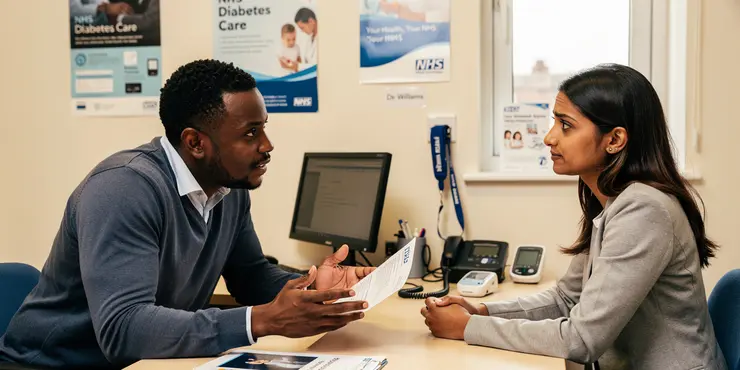
Eligibility is normally decided by your diabetes team, not by a single rule. They will look at your hypo history, HbA1c, current treatment, and whether you are able to recognise and manage low blood sugars safely.
Your team may ask about severe hypos, times when you needed help from another person, or whether you wake at night with lows. If poor awareness is affecting your safety, that can strengthen the case for technology.
What you can do if you think you qualify
Start by speaking to your diabetes nurse or consultant. Explain clearly how often you have hypos, whether you can feel them coming on, and whether you have had any severe episodes.
It can help to keep a record of blood glucose readings, symptoms, and any events where you needed assistance. This evidence may support a referral for technology or a review of your current management plan.
What if you are not offered technology?
If you are told you do not meet criteria, ask why and whether you can be reviewed again later. NHS access can vary by local area, and different services may have slightly different pathways.
You can also ask about other support, such as education on hypo management, changes to insulin doses, or referral to a specialist team. If poor awareness continues, it is worth raising this again, because your needs may change over time.
Bottom line
Poor awareness of hypos can בהחלט help support NHS access to diabetes technologies, especially if it puts you at higher risk of severe lows. It does not guarantee approval, but it is a recognised clinical concern.
If you think technology could help, speak to your diabetes team and be specific about your symptoms and safety concerns. The more clearly you explain your hypo history, the better they can assess whether you are eligible.
Frequently Asked Questions
NHS diabetes technologies eligibility with poor awareness of hypos refers to the criteria used to decide whether someone with diabetes and reduced hypoglycaemia awareness can access technologies such as continuous glucose monitors, insulin pumps, or hybrid closed-loop systems through the NHS.
People may be eligible if they have diabetes, usually type 1, and have impaired awareness of hypoglycaemia or recurrent severe hypoglycaemia, along with clinical need and suitability for the device under local and national NHS guidance.
Poor awareness of hypos is usually assessed by a diabetes specialist team using clinical history, patterns of low glucose, episodes of severe hypoglycaemia, and sometimes validated questionnaires or discussion about warning symptoms.
Common technologies include continuous glucose monitoring, flash glucose monitoring, insulin pumps, and hybrid closed-loop systems, depending on individual need, local commissioning, and clinical eligibility.
Yes, children and young people may qualify if they have diabetes and poor awareness of hypos, particularly when low glucose episodes are frequent, severe, or difficult to manage with standard treatment.
Yes, adults may qualify if they have diabetes and impaired awareness of hypoglycaemia, especially if they have recurrent severe hypos, nocturnal hypos, or difficulty achieving safe glucose control with current treatment.
Sometimes, yes. Eligibility for NHS diabetes technologies eligibility with poor awareness of hypos is more common in type 1 diabetes, but some people with insulin-treated type 2 diabetes may qualify if they have a clear clinical need and meet local criteria.
Not always, but a history of severe hypoglycaemia strengthens the case. Some people with poor awareness and frequent unrecognized lows may still qualify even without a recent severe episode.
Repeated hypoglycaemia can support eligibility, especially if it happens despite structured education or treatment adjustments. The exact threshold depends on the NHS service and clinical judgment.
Yes, continuous glucose monitoring is often recommended because it can alert users to falling glucose levels and provide data to reduce the risk of unrecognized hypoglycaemia.
Yes, flash glucose monitoring may help some people by revealing patterns of low glucose and reducing finger-prick testing, though real-time alerts may be less comprehensive than some CGM systems.
Yes, insulin pump therapy can be appropriate for people with poor awareness of hypos, especially if they have frequent lows, variable glucose levels, or difficulties managing injections safely.
Yes, hybrid closed-loop systems may be suitable for some people with poor awareness of hypos because they can automatically adjust insulin delivery to help reduce hypoglycaemia risk.
Often yes. Clinicians may first review insulin regimens, glucose targets, lifestyle factors, and education on hypoglycaemia prevention before recommending a technology device.
Yes, structured education can be important because clinicians often want to see that the person has received support on avoiding hypos, recognising symptoms, and using glucose data before device approval.
Yes, many people experience improved awareness after several weeks or months of better glucose stability and fewer low episodes, especially when using CGM or automated insulin delivery.
You usually ask your diabetes specialist team or diabetes nurse to review your hypoglycaemia history and assess whether you meet local NHS criteria for the technology you need.
Helpful evidence includes glucose records, CGM or meter downloads, documented severe hypos, a history of nocturnal lows, missed hypo symptoms, and notes from your diabetes clinic.
Yes, local commissioning and service policies can affect access, even when national guidance supports the technology, so eligibility and availability may vary by area.
If refused, you can ask for the reasons, request a review by the specialist team, seek a second opinion, and discuss whether further evidence or another technology option could support your case.

Ergsy Search Results
This website offers general information and is not a substitute for professional advice.
Always seek guidance from qualified professionals.
If you have any medical concerns or need urgent help, contact a healthcare professional or emergency services immediately.
Some of this content was generated with AI assistance. We've done our best to keep it accurate, helpful, and human-friendly.
- Ergsy carefully checks the information in the videos we provide here.
- Videos shown by Youtube after a video has completed, have NOT been reviewed by ERGSY.
- To view, click the arrow in centre of video.
- Most of the videos you find here will have subtitles and/or closed captions available.
- You may need to turn these on, and choose your preferred language.
- Go to the video you'd like to watch.
- If closed captions (CC) are available, settings will be visible on the bottom right of the video player.
- To turn on Captions, click settings.
- To turn off Captions, click settings again.