
Get Answers
Understanding Impetigo
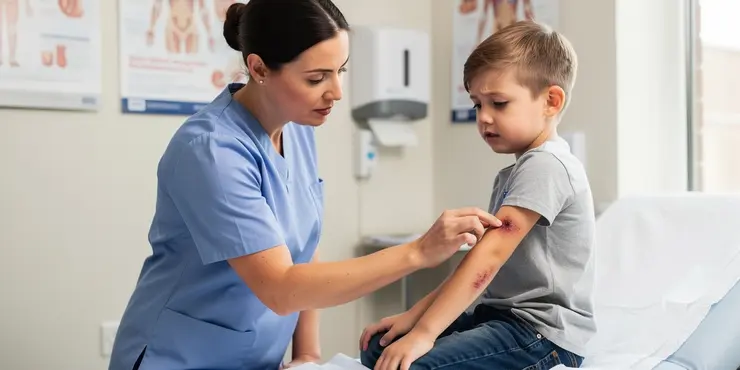
Impetigo is a highly contagious skin infection that primarily affects infants and young children, though adults can contract it too. It is caused by bacteria, either Streptococcus pyogenes or Staphylococcus aureus, that enter the skin through cuts, insect bites, or other injuries. The condition is characterised by red sores that quickly rupture, ooze for a few days, and then form a yellowish-brown crust. Impetigo is commonly spread in daycare centres and schools where children are in close contact with one another.
Can You Get Impetigo More Than Once?
Yes, it is possible to get impetigo more than once. While the infection can clear up with proper treatment, typically involving antibiotic ointments or oral antibiotics in more severe cases, having impetigo does not provide immunity against future infections. Because impetigo is a bacterial infection, recovery does not grant enduring protection like what might be observed with some viral infections. Maintaining good hygiene, avoiding contact with infected individuals, and treating cuts or insect bites promptly are effective ways to prevent recurrent infections.
Factors Contributing to Repeated Infections
Several factors can contribute to recurring impetigo infections. A weakened immune system may make individuals more susceptible to infections. Moreover, living or working in crowded environments such as schools, hospitals, or military bases can increase the risk of spreading and contracting impetigo. In addition, existing skin conditions like eczema may predispose an individual to more frequent episodes of impetigo, as bacteria have easier access to the deeper layers of skin through breaks or lesions.
Preventing Recurrence of Impetigo
While complete immunity to impetigo is not possible, there are practical steps that can reduce the likelihood of contracting the infection again. Regular handwashing with soap and water is crucial, particularly before eating or touching your face. Keep fingernails short and clean to minimize the risk of breaking the skin and introducing bacteria. If someone in the household has impetigo, avoid sharing towels, bedding, or clothing, and disinfect surfaces regularly. For those with skin conditions, suitable skincare management is important to maintain the integrity of the skin barrier.
Seeking Medical Advice
If impetigo is suspected, it is advisable to see a healthcare professional promptly. Early diagnosis and appropriate antibiotic treatment can help control the spread of the infection and prevent complications. In the event of recurrent impetigo cases, a doctor might investigate any underlying conditions contributing to reinfection. Regular follow-ups and monitoring can be beneficial to manage and reduce the incidence of repeated impetigo infections effectively.
Understanding Impetigo
Impetigo is a skin infection that spreads easily. It mostly happens to babies and young kids, but adults can get it too. It is caused by germs that get into the skin through cuts, bug bites, or other small injuries. Impetigo looks like red sores that break open, leak fluid, and then turn into a yellowish-brown crust. It often spreads in places like daycare centers and schools where kids are close to each other.
Can You Get Impetigo More Than Once?
Yes, you can get impetigo more than once. Even after treating it with medicine, you can still get it again later. The treatment usually includes cream or medicine from a doctor. Having impetigo once does not stop you from getting it again. To avoid getting it again, keep clean, stay away from people who have it, and clean any cuts or bites quickly.
Factors Contributing to Repeated Infections
Some things can make impetigo come back. If your body's defenses are not strong, you might get infections more easily. Being in crowded places like schools or hospitals can also spread impetigo. If you have a skin condition like eczema, you might get impetigo more often because the skin is already weak.
Preventing Recurrence of Impetigo
You cannot stop impetigo completely, but there are things you can do to lower the chances of getting it again. Wash your hands often with soap and water, especially before eating or touching your face. Keep your nails short and clean. If someone in your home has impetigo, do not share towels, bedding, or clothes with them, and clean surfaces often. If you have skin problems, take care of your skin to keep it healthy.
Seeking Medical Advice
If you think you have impetigo, go to a doctor quickly. Getting help early and using the right medicine can stop the infection from spreading. If impetigo keeps coming back, a doctor might check if there are other problems causing it. Having regular check-ups with a doctor can help you manage impetigo and stop it from coming back often.
Frequently Asked Questions
Yes, it is possible to get impetigo more than once, as the infection can recur, especially if proper hygiene is not maintained or if you come into contact with someone who has it.
Recurrent impetigo is often caused by re-exposure to bacteria or inadequate treatment of the initial infection.
To reduce the risk of impetigo recurrence, maintain good hygiene, wash your hands regularly, and avoid sharing personal items with others.
While not common, impetigo can recur if the bacteria remain on the skin or in the environment. Ensure full course of antibiotics is completed.
Yes, children can get impetigo multiple times, especially in environments like schools or daycares where germs are easily spread.
No, having impetigo does not make you immune. You can get the infection again, even after being treated.
Yes, if impetigo keeps recurring, it is advisable to consult a doctor to explore underlying causes or resistance to treatment.
Yes, poor hygiene can contribute to recurrent impetigo as bacteria can thrive and spread easily.
Preventative measures include regular handwashing, cleaning infected areas properly, and disinfecting surfaces and personal items.
Antibiotics are often necessary to treat impetigo, especially if the infection is recurrent or severe.
Stress does not directly cause impetigo, but it can weaken the immune system, potentially making the body more susceptible to infections.
Impetigo is more common in warm and humid conditions, which can be seasonal depending on the region.
Yes, impetigo is contagious and can spread to other family members through direct contact or shared items.
Impetigo can recur weeks or even months after treatment if exposed to the bacteria again or if the initial infection wasn’t fully cleared.
Recurrent cases may require a longer course or different antibiotics, and addressing potential underlying issues is important.
Scars themselves do not indicate recurrence, but if new lesions appear, it may suggest a new infection.
Using antibacterial soap can help reduce the risk of bacterial infections, but it should be part of a broader hygiene approach.
Yes, conditions like eczema can increase susceptibility to impetigo due to broken skin barriers that facilitate bacterial invasion.
No, there is currently no vaccine for impetigo; prevention relies primarily on hygiene and avoiding contact with infected individuals.
Although less common than in children, adults can also experience recurrent impetigo, particularly if living or working in close-contact environments.
Yes, you can get impetigo again. This can happen if you don't keep clean or if you are near someone who has it.
Impetigo is a skin infection that can happen again. This can be because you came into contact with the germs again or the first treatment didn’t fully work.
To help stop impetigo from coming back:
- Always keep clean.
- Wash your hands a lot.
- Don't share things like towels and clothes with other people.
Sometimes impetigo can come back. This happens if the germs stay on the skin or around you. Make sure to take all the medicine the doctor gives you. This will help make the germs go away.
Yes, kids can get impetigo more than once. This can happen at places like schools or daycares where germs spread easily.
No, if you have had impetigo, it does not stop you from getting it again. You can still catch it another time, even after you get better.
If impetigo keeps coming back, it's a good idea to see a doctor. The doctor can help find out why it's happening and why medicine may not be working.
Yes, not keeping clean can make impetigo come back. This is because germs like to grow and spread when it's not clean.
To stay healthy, wash your hands often. Make sure to clean places that are dirty or infected. It is also important to use special cleaners to make sure surfaces and personal things like toys are safe from germs.
To help you get better from impetigo, you might need medicine called antibiotics. This is important if the skin problem happens a lot or is very bad.
Stress does not make you get impetigo, which is a skin infection. But stress can make your body weaker. This means you might get sick more easily.
If you want help, you can try things that help reduce stress. Some people like to take slow, deep breaths, play quiet music, or talk to someone they trust. These things can help your body stay strong and healthy.
Impetigo is a skin infection. It happens more often when the weather is warm and wet. This can be at different times of the year, depending on where you live.
Yes, impetigo can spread from one person to another. It can pass to other people in your family if you touch them or share things like towels.
Here are some tips to help stop the spread:
- Wash your hands often with soap and water.
- Don't share personal things like towels or clothes.
- Cover any sores with a clean bandage.
Impetigo can come back a few weeks or months after you get better. This can happen if you touch the germs again or if the first infection didn’t go away completely.
If the problem comes back, you might need to take medicine for a longer time or try a different one. It's important to find out why it's happening and fix those things too.
Scars do not mean the problem is back again. But if you see new spots or bumps, it might mean a new infection.
Using special soap that fights germs can help you stay healthy. But you should also do other things to stay clean and safe.
Yes, if you have eczema, it can be easier to get impetigo. This is because your skin is not as strong, so germs can get in more easily.
No, there is no shot to stop impetigo. To help stay safe, keep clean and stay away from people who have impetigo.
Adults can get impetigo too, but it is more common in kids. It can happen if you live or work very close to other people.

Ergsy Search Results
This website offers general information and is not a substitute for professional advice.
Always seek guidance from qualified professionals.
If you have any medical concerns or need urgent help, contact a healthcare professional or emergency services immediately.
Some of this content was generated with AI assistance. We've done our best to keep it accurate, helpful, and human-friendly.
- Ergsy carefully checks the information in the videos we provide here.
- Videos shown by Youtube after a video has completed, have NOT been reviewed by ERGSY.
- To view, click the arrow in centre of video.
- Most of the videos you find here will have subtitles and/or closed captions available.
- You may need to turn these on, and choose your preferred language.
- Go to the video you'd like to watch.
- If closed captions (CC) are available, settings will be visible on the bottom right of the video player.
- To turn on Captions, click settings.
- To turn off Captions, click settings again.