
Get Answers
Introduction
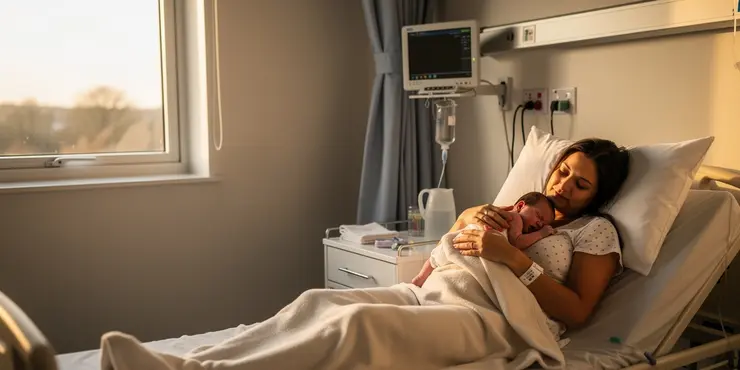
Breastfeeding is an important aspect of newborn care, providing essential nutrients and promoting bonding between mother and baby. Many women undergoing Caesarean sections, particularly those under spinal anaesthesia, wonder about the feasibility of initiating breastfeeding immediately after the procedure. This article addresses concerns regarding breastfeeding post-Caesarean section under spinal anaesthesia.
Caesarean Section and Spinal Anaesthesia
A Caesarean section is a surgical procedure used to deliver a baby through incisions in the abdomen and uterus. Spinal anaesthesia is a common method of pain management during this procedure. It involves injecting anaesthetic into the lower back, temporarily numbing the lower half of the body. This allows the mother to remain awake and free of pain during the birth.
Breastfeeding Immediately After Surgery
It is generally considered safe and feasible to breastfeed immediately after a Caesarean section under spinal anaesthesia. The anaesthesia provided does not affect breast milk and does not hinder the mother's ability to nurse. Health professionals typically encourage skin-to-skin contact and breastfeeding as soon as possible after delivery to promote maternal-infant bonding and stimulate milk production.
Benefits of Immediate Breastfeeding
Initiating breastfeeding soon after birth offers numerous benefits. It helps the mother’s uterus contract, reducing post-delivery bleeding. It also assists in establishing a successful breastfeeding relationship, as early initiation can enhance milk supply and strengthen the infant's latch. Moreover, breastfeeding within the first hour, often referred to as the "golden hour," can support the newborn’s immune system and provide them with essential nutrients.
Practical Considerations
Although breastfeeding immediately post-Caesarean is encouraged, certain practical considerations should be taken into account. Assistance may be needed to position the baby to avoid pressure on the incision site. Using breastfeeding positions such as the rugby hold or lying on the side can help manage comfort levels. Additionally, hospital staff, including midwives and lactation consultants, are available to aid mothers in adjusting to this new experience and addressing any challenges faced.
Conclusion
Breastfeeding immediately after a Caesarean section under spinal anaesthesia is both possible and beneficial. While some practical adjustments may be required, with the support of healthcare providers, mothers can enjoy a positive breastfeeding experience. Early initiation promotes maternal and infant health, reinforcing the importance of providing the opportunity for immediate breastfeeding after childbirth.
Introduction
Breastfeeding is very important for taking care of a newborn baby. It gives babies the nutrients they need and helps mums and babies bond. Some mums have questions about breastfeeding after having a baby by Caesarean section (C-section), especially if they had spinal anaesthesia. This article talks about how mums can breastfeed after a C-section.
Caesarean Section and Spinal Anaesthesia
A C-section is an operation to deliver a baby. Doctors make cuts in the mum's belly and womb to take the baby out. Spinal anaesthesia is a way to stop pain during this operation. It is a medicine put in the lower back to make the lower part of the body numb. This means the mum is awake but does not feel pain while having the baby.
Breastfeeding Immediately After Surgery
It is usually safe to breastfeed right after a C-section with spinal anaesthesia. The anaesthesia does not affect the breast milk. Nurses and doctors often suggest putting the baby on the mum’s chest and starting breastfeeding quickly. This helps mums and babies bond and helps with milk production.
Benefits of Immediate Breastfeeding
Starting breastfeeding soon after birth is very helpful. It helps the mum's body recover and can stop extra bleeding. Early breastfeeding also helps the mum make more milk and helps the baby learn to latch on. Feeding the baby in the first hour, called the "golden hour," helps keep the baby healthy and gives them important nutrients.
Practical Considerations
After a C-section, mums might need help to hold the baby without putting pressure on the belly cut. Using positions like holding the baby like a football or lying on the side can be more comfortable. Hospital staff, like midwives and breastfeeding helpers, can help mums learn and solve problems with breastfeeding.
Conclusion
Mums can breastfeed soon after a C-section with spinal anaesthesia, and it is good for both the mum and the baby. With some help and adjustments, mums can have a good breastfeeding experience. Starting breastfeeding early helps both the mum and baby, so it is important to try to breastfeed right after birth.
Frequently Asked Questions
Yes, breastfeeding can typically begin soon after a Caesarean section under spinal anaesthesia, once you are stable and in a recovery position.
Breastfeeding can often start as soon as you are alert, comfortable, and medically stable, usually within the first hour after delivery.
Yes, spinal anaesthesia is safe for breastfeeding as it has minimal effects on the newborn.
Spinal anaesthesia itself does not directly affect milk supply, but stress and recovery time might delay the onset of breastfeeding.
Football hold and side-lying positions are often recommended to avoid pressure on the surgical incision.
Most pain medications prescribed post-C-section are safe for breastfeeding, but always consult your healthcare provider for advice.
Positioning can help; consider using pillows for support and getting assistance from a lactation consultant.
No, you can breastfeed as soon as you're able to do so comfortably, and it is safe to do so even while the anaesthetic is wearing off.
Seek help from a lactation consultant or your healthcare provider for guidance and support if you encounter difficulties.
In many cases, breastfeeding can start in the recovery room as soon as you are stable and alert.
Your partner can assist with positioning the baby, providing support, and ensuring you remain comfortable.
Certain complications may delay the start of breastfeeding, but with support, most can still breastfeed successfully.
Use pillows for support and ensure someone is available to assist you if you feel drowsy while breastfeeding.
If you are unable to breastfeed immediately, pumping can help establish and maintain milk supply until you can nurse directly.
Most babies can latch on regardless of delivery method, but some may need extra help, especially if there was a delay in the first feed.
Skin-to-skin contact promotes bonding, helps stabilize the baby’s temperature and breathing, and encourages breastfeeding.
Breastfeeding offers numerous benefits, including promoting bonding, providing nutrients, and helping the mother heal post-surgery.
Yes, it can aid in uterine contraction and recovery, and reduce postpartum bleeding.
Spinal anaesthesia generally has minimal impact on the baby’s suckling reflex compared to other forms of anaesthesia.
Yes, hospital staff, including nurses and lactation consultants, are available to assist you with breastfeeding after a C-section.
Yes, you can usually start breastfeeding soon after a C-section. This can happen once you feel okay and are resting comfortably.
You can start breastfeeding when you feel awake, comfortable, and your doctor says you are okay. This usually happens in the first hour after your baby is born.
Yes, spinal anaesthesia is safe for breastfeeding. It does not affect the baby much.
Spinal anaesthesia does not stop milk from coming. But feeling stressed or needing time to get better might make it take longer to start breastfeeding.
The football hold and lying on your side are good ways to hold your baby if you want to keep away from touching your surgery cut.
Most medicines for pain after a C-section are safe when breastfeeding. But always ask your doctor or nurse for advice.
Using pillows can really help. They support you when feeding the baby. You can also ask a special helper called a lactation consultant for advice.
No, you do not have to wait. You can feed your baby when you feel ready and comfortable. It is safe to do this even if the medicine is still wearing off.
If you find breastfeeding hard, ask a breastfeeding expert or your doctor for help. They can give you advice and support.
Moms can often start breastfeeding their baby in the recovery room once they feel awake and well enough.
Your partner can help you place the baby, give you support, and make sure you stay comfy.
Sometimes, some things can make it tricky to start breastfeeding. But with help, most people can still do it well.
Use pillows to help you. Have someone with you to help if you start to feel sleepy while feeding your baby.
If you can’t breastfeed right away, using a special pump can help you make and keep your milk. This will help you when you are ready to feed your baby.
Most babies can start feeding no matter how they were born. But some babies might need a little extra help, especially if it took a while before their first feed.
Holding your baby close helps you and your baby feel close. It keeps your baby warm, helps them breathe better, and makes it easier for them to breastfeed.
Breastfeeding is good for many reasons. It helps mom and baby feel close. It gives the baby important food. It also helps mom get better after surgery.
Yes, it can help the uterus get smaller after birth and stop too much bleeding.
Spinal anaesthesia usually does not affect the baby's ability to suckle as much as other types of anaesthesia do.
Yes, people at the hospital can help you breastfeed after you have a C-section. This includes nurses and people who know a lot about breastfeeding.

Ergsy Search Results
This website offers general information and is not a substitute for professional advice.
Always seek guidance from qualified professionals.
If you have any medical concerns or need urgent help, contact a healthcare professional or emergency services immediately.
Some of this content was generated with AI assistance. We've done our best to keep it accurate, helpful, and human-friendly.
- Ergsy carefully checks the information in the videos we provide here.
- Videos shown by Youtube after a video has completed, have NOT been reviewed by ERGSY.
- To view, click the arrow in centre of video.
- Most of the videos you find here will have subtitles and/or closed captions available.
- You may need to turn these on, and choose your preferred language.
- Go to the video you'd like to watch.
- If closed captions (CC) are available, settings will be visible on the bottom right of the video player.
- To turn on Captions, click settings.
- To turn off Captions, click settings again.