
Get Answers
Can fertility problems be a sign of PCOS?
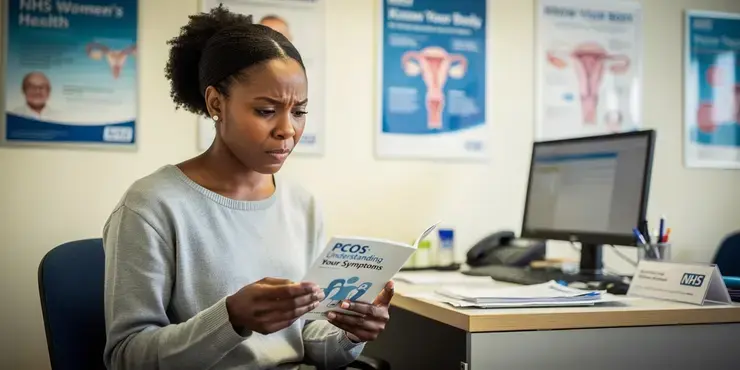
Yes, fertility problems can be one of the symptoms linked with polycystic ovary syndrome, often called PCOS. In UK fertility and women’s health guidance, irregular or absent ovulation is a common reason why people with PCOS may find it harder to get pregnant.
PCOS affects hormone levels and can disrupt the menstrual cycle. This can make it harder to predict ovulation, which is needed for conception.
What other symptoms might point to PCOS?
Fertility issues alone do not mean you have PCOS. Other common signs include irregular periods, missed periods, acne, excess facial or body hair, and weight gain.
Some people also notice thinning hair on the scalp or patches of darker skin. Symptoms can vary a lot from person to person, so PCOS may look different for everyone.
Can you self-diagnose PCOS?
You should not rely on self-diagnosis alone. While it is reasonable to notice patterns in your symptoms, PCOS needs a proper medical assessment.
Many other conditions can cause irregular periods or difficulty conceiving. These include thyroid problems, high prolactin levels, stress, weight changes, and other hormonal or reproductive issues.
What should you do if you suspect PCOS?
If you think you may have PCOS, book an appointment with your GP. They can ask about your symptoms, check your cycle history, and arrange tests if needed.
Depending on your situation, your GP may suggest blood tests, an ultrasound scan, or referral to a specialist. In the UK, it is a good idea to seek help if you have not had a period for several months, or if you have been trying to conceive for 12 months without success, or 6 months if you are over 35.
Can PCOS still be managed if fertility is affected?
Yes. Many people with PCOS go on to conceive, sometimes with support and treatment. Managing weight, improving insulin resistance, and using medicines to help ovulation can all make a difference for some people.
If fertility is a concern, early advice from a GP or fertility specialist can help you understand your options. Getting checked sooner can also rule out other causes and give you a clearer plan.
Frequently Asked Questions
Common signs include irregular or absent periods, acne, excess facial or body hair, weight gain or difficulty losing weight, scalp hair thinning, and trouble getting pregnant. These symptoms can also happen for other reasons, so a medical evaluation is important.
PCOS often causes irregular ovulation, which can lead to long cycles, missed periods, or unpredictable bleeding. This matters for fertility because getting pregnant usually depends on regular ovulation.
PCOS can make it harder to conceive because irregular ovulation reduces the chances of release of an egg each month. Many people with PCOS still conceive with lifestyle changes, fertility medications, or other treatments.
The main fertility problem is ovulation that happens infrequently or not at all. PCOS can also be associated with insulin resistance and weight changes, which may further affect fertility.
Diagnosis usually involves a review of symptoms, menstrual history, a physical exam, blood tests, and sometimes an ultrasound. Doctors look for patterns such as irregular cycles, signs of high androgens, and polycystic-appearing ovaries.
You can notice patterns such as irregular periods, acne, excess hair growth, and difficulty conceiving, but you cannot confirm PCOS at home. A clinician should confirm the diagnosis and rule out other conditions.
Tests may include hormone levels, blood sugar or insulin-related testing, thyroid tests, prolactin, and an ultrasound of the ovaries. These tests help identify PCOS and exclude other causes of similar symptoms.
Regular physical activity, balanced eating, weight management if needed, better sleep, and stress reduction can improve symptoms for some people. These changes may also help ovulation and fertility.
Treatment may include lifestyle changes, medications to regulate periods, medicines to reduce androgen symptoms, ovulation induction drugs for fertility, and sometimes insulin-sensitizing treatments. The best option depends on your symptoms and pregnancy goals.
Many people with PCOS have insulin resistance, which means the body does not use insulin effectively. This can contribute to weight gain, higher androgen levels, irregular ovulation, and fertility problems.
Yes, many people with PCOS do conceive naturally, especially if they ovulate at least occasionally. Improving health habits and tracking ovulation may help identify fertile windows.
You should seek medical evaluation if you have very irregular periods, no periods for months, new or worsening excess hair growth, severe acne, or difficulty conceiving for 12 months or more, or 6 months if you are over 35.
Tracking basal body temperature, cervical mucus, or ovulation predictor kits can help estimate when ovulation occurs. With PCOS, these methods may be less predictable, but they can still provide useful information.
For some people, even modest weight loss can improve hormone balance, restore more regular ovulation, and reduce fertility problems. However, PCOS can affect people of many body sizes, so weight is only one part of the picture.
Acne and excess hair growth are common signs of elevated androgens, which are hormones often increased in PCOS. These signs can support suspicion of PCOS, but they do not by themselves explain fertility problems.
Yes, thyroid disorders, high prolactin, adrenal disorders, and some other hormonal conditions can cause similar symptoms. This is why formal testing is important before assuming PCOS.
Common fertility treatments include ovulation induction medications such as letrozole or clomiphene, and sometimes metformin or assisted reproductive technologies. A fertility specialist can recommend the best approach based on your situation.
If cycles are very irregular, it is reasonable to seek help sooner rather than waiting a full year. If periods are regular but pregnancy has not happened after 12 months of trying, or 6 months if older than 35, medical evaluation is recommended.
PCOS can be associated with a higher risk of gestational diabetes, high blood pressure, and other pregnancy complications. Early prenatal care helps monitor and reduce these risks.
Keep track of your cycles, symptoms, and any attempts to conceive, then make an appointment with a healthcare professional. They can confirm the diagnosis, check for other causes, and discuss treatment options.

Ergsy Search Results
This website offers general information and is not a substitute for professional advice.
Always seek guidance from qualified professionals.
If you have any medical concerns or need urgent help, contact a healthcare professional or emergency services immediately.
Some of this content was generated with AI assistance. We've done our best to keep it accurate, helpful, and human-friendly.
- Ergsy carefully checks the information in the videos we provide here.
- Videos shown by Youtube after a video has completed, have NOT been reviewed by ERGSY.
- To view, click the arrow in centre of video.
- Most of the videos you find here will have subtitles and/or closed captions available.
- You may need to turn these on, and choose your preferred language.
- Go to the video you'd like to watch.
- If closed captions (CC) are available, settings will be visible on the bottom right of the video player.
- To turn on Captions, click settings.
- To turn off Captions, click settings again.