
Get Answers
Can Animals Be Infected with H3N2?
The H3N2 virus is primarily known as a subtype of the influenza A virus, which is notorious for causing infections in humans. However, it is important to understand that this virus can also infect a range of animals. The ability of H3N2 to spread across species underscores its adaptive nature and raises significant concerns about animal health and potential transmission to humans.
Origins and Spread of H3N2 in Animals
The H3N2 virus originally emerged in humans in 1968 during the Hong Kong flu pandemic. Since then, different variants of the virus have been observed in various animal populations. Notably, H3N2 caused an outbreak among pigs in the United States in the late 1990s. This variant, known as swine flu, has occasionally jumped back to humans, highlighting its zoonotic potential.
H3N2 in Companion Animals
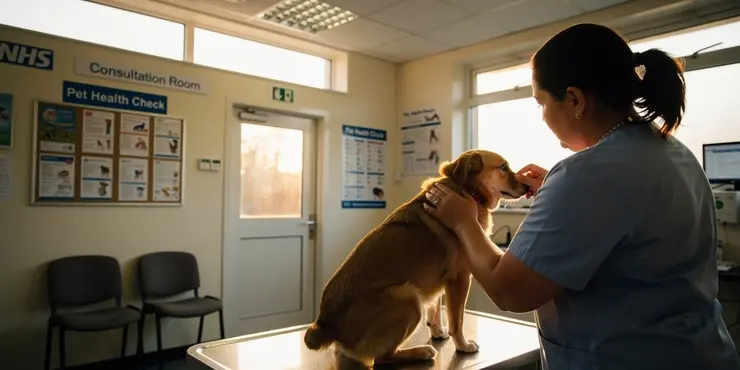
One surprising adaptation of the H3N2 virus has been its emergence in domestic animals such as dogs. In 2007, a new canine variant of the H3N2 virus was identified in South Korea, having presumably crossed over from birds. This canine influenza virus has since been reported in dogs in other countries, including the United States. It primarily affects their respiratory systems, manifesting in symptoms such as coughing, fever, and nasal discharge.
H3N2 and Avian Species
H3N2 has also been detected in avian species, albeit less commonly than other influenza subtypes like H5N1 or H7N9. Birds can act as natural reservoirs for influenza viruses, and the movement of migratory birds further complicates efforts to control the spread of the virus globally. Although less frequent, avian H3N2 can still raise concerns due to the potential for reassortment, where genetic material is exchanged between different influenza viruses, potentially creating new and more virulent strains.
Risks and Preventative Measures
The cross-species infection potential of the H3N2 virus highlights the importance of monitoring animal health. It underscores the need for veterinary vigilance and biosecurity measures, particularly in places where humans and animals live in close proximity. Pet owners should be attentive to signs of illness in their dogs and consult a veterinarian if symptoms suggestive of influenza appear. Moreover, understanding and monitoring animal reservoirs can inform the development of more effective vaccines and preventative strategies.
The Role of Surveillance and Research
Ongoing surveillance and research are critical in tracking the evolution and spread of H3N2 across species. Enhanced international cooperation in monitoring and sharing data about animal and human influenza cases can help mitigate the risks associated with this adaptable virus. Studying such patterns is crucial for predicting outbreaks and preparing appropriate public health responses to reduce the impact on both human and animal populations.
Can Animals Get H3N2?
H3N2 is a type of flu virus that usually makes people sick. But, animals can also catch this virus. It is important because if animals get sick, they can sometimes pass the virus to humans too.
Where Did H3N2 Come From?
The H3N2 virus started making people sick in 1968. Over time, it spread to animals. In the late 1990s, it made pigs sick in the United States. Sometimes, sick pigs passed it back to people.
H3N2 in Pets
In 2007, dogs in South Korea got sick with H3N2. They probably caught it from birds. Since then, dogs in places like the United States have also gotten this virus. It makes dogs cough, have a fever, and have a runny nose.
H3N2 in Birds
Birds can also carry H3N2, but it is not as common as other bird flu types. Birds fly long distances, spreading the virus to new places. The virus can change, which makes new and stronger flu types.
How to Keep Animals Safe
Because animals can get H3N2, it's important to watch their health. Pet owners should look for signs like coughing and take their pets to the vet if they look sick. Good care and vaccines can help keep animals and people safe.
The Importance of Watching and Studying
Scientists and doctors keep track of H3N2 to see how it spreads. When countries share information, it helps us be ready for the virus. Research helps us find ways to stop the virus from making both people and animals sick.
Frequently Asked Questions
H3N2 is a subtype of the influenza A virus, which can cause respiratory infections in humans and animals.
Yes, certain animals can be infected with the H3N2 strain of the influenza virus, including birds and pigs.
Pigs and birds are the most commonly associated animals with H3N2 infections. Dogs have also been known to contract a related influenza virus called H3N2 canine influenza virus.
It is possible for certain strains of the influenza A virus, including H3N2, to be transmitted between animals and humans, though not common.
While the same subtype, H3N2 strains can vary between humans and animals, often adapting to their specific hosts.
Animals can get infected through direct contact with infected animals, shared surfaces, or through airborne transmission.
Yes, dogs can get a specific strain known as H3N2 canine influenza virus.
Yes, vaccines are available, particularly for pigs and dogs, to protect against some strains of H3N2.
Symptoms in animals can include fever, coughing, nasal discharge, lethargy, and loss of appetite.
Yes, supportive care can help manage symptoms in animals, and vaccination can help prevent infection.
Not all birds carry H3N2, but wild birds are natural hosts for various influenza strains, including H3N2.
Good hygiene, vaccination, and minimizing contact between infected and healthy animals can help prevent the spread.
While rare, certain strains can jump species and potentially infect humans, which is why monitoring and control are important.
Diagnosis is usually confirmed through laboratory tests such as PCR testing of nasal swabs or blood samples.
Cats are less commonly infected, but it is possible, particularly in environments where other animals are infected.
Contact a veterinarian to get a proper diagnosis and management plan if you suspect your pet is infected.
Yes, wild birds and some other species can carry and transmit the virus.
Yes, pigs are most notably affected, which is why monitoring in agricultural settings is critical.
H3N2 is one of many influenza virus subtypes, each having different host ranges and clinical impacts.
There have been outbreaks, particularly of H3N2 canine influenza in dogs and H3N2 strains affecting swine.
H3N2 is a kind of flu virus. It can make people and animals sick with breathing problems.
Yes, some animals can get sick with the H3N2 flu virus. This includes birds and pigs.
Pigs and birds are animals that can get sick with a virus called H3N2. Dogs can sometimes get a similar virus, known as H3N2 canine flu.
Some types of the flu, like H3N2, can spread from animals to people. This doesn't happen a lot, but it is possible.
The H3N2 virus can be a little different in people and animals. It changes so it can live better in each one.
Animals can get sick when they touch other sick animals, touch the same things as sick animals, or breathe the same air as sick animals.
Yes, dogs can get sick from a virus called H3N2. This virus is like the flu for dogs.
Yes, there are shots that can help. These are mostly for pigs and dogs. The shots help keep them safe from some kinds of H3N2.
Animals that are sick can have signs like fever, coughing, runny nose, feeling very tired, and not wanting to eat.
Yes, we can help animals feel better with special care, and shots can stop them from getting sick.
Not all birds have H3N2. But wild birds can carry different flu types, like H3N2.
To stop spreading germs, you can do three things:
- Keep clean. Wash your hands and things around you.
- Get vaccines. These are like shields that keep you from getting sick.
- Keep sick animals away from animals that are not sick.
It does not happen often, but some germs can move from animals to people. This is why it is important to watch out for them and try to stop them. Tools like pictures and videos can help us understand better.
To find out if someone is sick, doctors use a test. They take a little bit of snot from your nose or a tiny bit of blood. The test is called a PCR test. This helps doctors know for sure if you are sick.
Cats don't get sick as often, but they can still get sick, especially if they are around other sick animals.
If you think your pet is sick, talk to a vet. They can tell you what is wrong and how to help your pet get better.
Yes, wild birds and some other animals can have and spread the virus.
Yes, pigs get sick from this the most. This is why watching pigs on farms is very important.
H3N2 is a type of flu virus. There are many kinds of flu viruses. Each kind can affect different animals and people in different ways.
There have been times when many dogs and pigs got sick. This was because of a virus called H3N2. It made dogs and pigs feel unwell.

Ergsy Search Results
This website offers general information and is not a substitute for professional advice.
Always seek guidance from qualified professionals.
If you have any medical concerns or need urgent help, contact a healthcare professional or emergency services immediately.
Some of this content was generated with AI assistance. We've done our best to keep it accurate, helpful, and human-friendly.
- Ergsy carefully checks the information in the videos we provide here.
- Videos shown by Youtube after a video has completed, have NOT been reviewed by ERGSY.
- To view, click the arrow in centre of video.
- Most of the videos you find here will have subtitles and/or closed captions available.
- You may need to turn these on, and choose your preferred language.
- Go to the video you'd like to watch.
- If closed captions (CC) are available, settings will be visible on the bottom right of the video player.
- To turn on Captions, click settings.
- To turn off Captions, click settings again.