
Get Answers
Introduction to Turkey Teeth
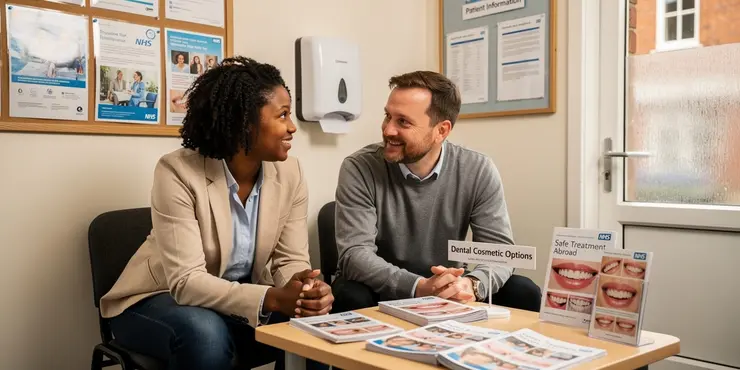
"Turkey teeth" refer to dental procedures often performed in Turkey, which have gained popularity due to cost savings and social media influencers. Many people travel from the UK to Turkey for cosmetic dental treatments, such as veneers and crowns, hoping to achieve a perfect smile.
While the prospect of getting a Hollywood smile for less is appealing, it's crucial to understand the potential risks involved. Understanding these risks helps make an informed decision about whether these procedures are worth considering.
Potential Health Risks
One of the main risks of getting dental work abroad is the potential compromise in health and safety standards. Clinics in Turkey may not always follow the same strict regulations as those in the UK.
This discrepancy can lead to an increased chance of complications, such as infections or poorly executed procedures. These complications could require further treatment on return to the UK, offsetting any initial cost savings.
Quality of Materials and Craftsmanship
The quality of materials used in dental procedures can vary significantly from clinic to clinic. This variance can affect the durability and success of the treatment.
Subpar materials might lead to crowns or veneers chipping or breaking, requiring additional dental work. Always research and ensure the clinic uses high-quality materials before proceeding with any treatment.
Aftercare and Follow-Up
Aftercare is a crucial aspect of any medical procedure. When having work done abroad, follow-up visits can be complicated and expensive to arrange.
If complications arise after returning home, it may be challenging to receive help or corrections from the original dentist. UK dentists might be hesitant to take over care, especially for corrective work on foreign treatments.
Legal and Ethical Considerations
Legal recourse can be limited when undergoing medical treatment abroad. If something goes wrong, it may be difficult to seek compensation or legal resolution from a foreign clinic.
Ethical standards can also differ, potentially impacting the informed consent process and patient safety. Ensuring that the clinic is reputable and patients are fully informed is vital before proceeding.
Conclusion
Getting "Turkey teeth" may offer an economical solution for those seeking cosmetic dental work. However, it's important to weigh the potential risks against these financial savings.
Conduct thorough research, consider potential health and legal implications, and ensure that any clinic chosen upholds high standards of care. Ultimately, the decision should prioritize safety and informed choices over cost alone.
Frequently Asked Questions
'Turkey Teeth' refers to the trend of traveling to Turkey for cosmetic dental procedures due to lower costs and perceived expertise.
Risks can include poor quality work, communication issues, lack of follow-up care, inadequate sterilization, and unlicensed practitioners.
It can be safe if you thoroughly research the clinic and practitioner, but there are inherent risks, such as variable regulatory standards.
Investigate the dentist's qualifications, clinic reputation, patient reviews, facility accreditation, and local regulations.
Yes, complications can include infection, improper fit, nerve damage, and aesthetic issues, often requiring corrective procedures.
Follow-up care might be limited, and returning to Turkey for additional treatment can be costly and impractical.
Initial quotes may not include travel, accommodation, potential follow-up, or corrective treatments.
Yes, language barriers can lead to misunderstandings and inadequate communication about the procedure and aftercare.
Request proof of education, licensure, and any professional affiliations, and try to cross-check these credentials with international bodies.
Standards can vary, so it's critical to verify that the clinic adheres to international sterilization and infection control protocols.
Possible long-term effects include tooth sensitivity, breakdown of dental work, and higher risk for decay if proper care isn't taken.
You may need to seek corrective treatment either abroad or in your home country, which could be costly and complex.
While they can be helpful, reviews may be manipulated or not fully authentic. Use them as a guide but conduct thorough independent research.
Ensure the clinic has emergency protocols in place and that your travel insurance covers potential medical emergencies abroad.
As with any medical procedure, there is a risk of malpractice. Legal recourse can be complicated by geographical and jurisdictional issues.
Regulations may be less stringent or differently enforced, so verify the clinic's compliance with recognized international standards.
Some clinics may use lower-cost materials or older technology, affecting the quality and durability of the dental work.
Many travel insurance policies do not cover elective procedures, so check specific coverage for dental treatment complications.
Verify that the clinic follows international safety standards for anesthesia to avoid complications from improper administration.
Thoroughly vet clinics, understand the full procedural details, ensure strong communication, plan for contingency follow-up, and verify insurance coverage.

Ergsy Search Results
This website offers general information and is not a substitute for professional advice.
Always seek guidance from qualified professionals.
If you have any medical concerns or need urgent help, contact a healthcare professional or emergency services immediately.
Some of this content was generated with AI assistance. We've done our best to keep it accurate, helpful, and human-friendly.
- Ergsy carefully checks the information in the videos we provide here.
- Videos shown by Youtube after a video has completed, have NOT been reviewed by ERGSY.
- To view, click the arrow in centre of video.
- Most of the videos you find here will have subtitles and/or closed captions available.
- You may need to turn these on, and choose your preferred language.
- Go to the video you'd like to watch.
- If closed captions (CC) are available, settings will be visible on the bottom right of the video player.
- To turn on Captions, click settings.
- To turn off Captions, click settings again.