
Get Answers
Are there non-hormonal medicines for hot flushes?
Yes. If you are in the UK and cannot take HRT, or prefer not to use hormones, there are medicines that can help reduce hot flushes and night sweats. These are sometimes called non-hormonal treatments.
They do not work for everyone, but they can make symptoms easier to manage. A GP can help you decide whether one of these options is suitable for you.
Which medicines may be used?
Some antidepressants, such as certain SSRIs and SNRIs, can be prescribed to help with hot flushes. They are used at lower doses than those usually given for depression.
Gabapentin is another option that may help, especially if night sweats are a problem. Clonidine is sometimes used too, although it is less commonly prescribed because side effects can be limiting.
In some cases, a specialist may recommend other medicines if symptoms are severe. The best choice depends on your medical history, other medicines you take, and how troublesome your symptoms are.
What about newer treatments?
Newer non-hormonal medicines are being developed and, in some countries, are already available for menopausal symptoms. Access in the UK may be more limited, and not all treatments are routinely prescribed on the NHS.
If you are interested in newer options, your GP or a menopause specialist can advise whether they are available and appropriate for you. They can also explain the likely benefits, risks, and cost.
How well do they work?
Non-hormonal medicines can reduce the number and severity of hot flushes, but they are usually not as effective as HRT. Even so, many women find them helpful, particularly when HRT is not an option.
It may take a few weeks to notice improvement. If one medicine does not help or causes side effects, your GP may suggest trying another.
Are there side effects?
Yes, side effects are possible with all medicines. These vary depending on the treatment, but may include drowsiness, dizziness, nausea, dry mouth, or changes in sleep.
Some medicines can also interact with other prescribed drugs, so it is important to tell your GP or pharmacist about everything you are taking. Never stop a prescribed medicine without medical advice.
When should you speak to a GP?
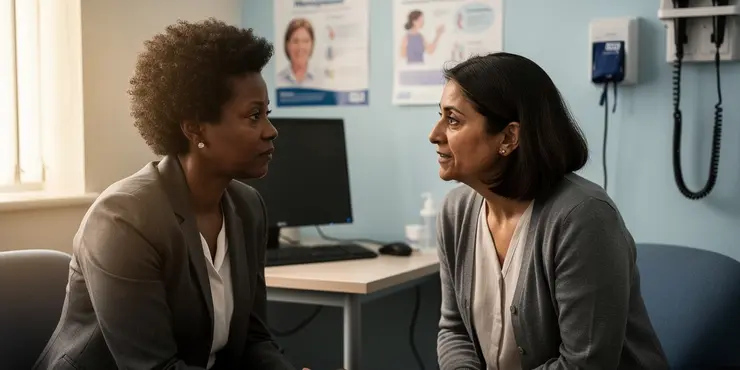
Speak to a GP if hot flushes are affecting your sleep, work, mood, or daily life. You should also get advice if you have a history of hormone-sensitive cancer, blood clots, or other reasons that make HRT unsuitable.
A GP can discuss non-hormonal medicines as well as lifestyle measures such as avoiding triggers, dressing in layers, and keeping your bedroom cool. Together, these can help you find the most practical way to manage symptoms.
Frequently Asked Questions
Hot flashes medications without hormones are prescription or nonprescription treatments used to reduce hot flashes without using estrogen or other hormone therapy.
Commonly prescribed hot flashes medications without hormones include certain antidepressants, gabapentin, clonidine, and oxybutynin, depending on your health history and symptoms.
Hot flashes medications without hormones work by affecting brain chemicals, nerve signals, or body temperature regulation to reduce the frequency or severity of hot flashes.
People who cannot use hormone therapy, prefer to avoid hormones, or have symptoms that do not improve with lifestyle changes may be good candidates for hot flashes medications without hormones.
Yes, hot flashes medications without hormones can be effective for many people, although the amount of relief varies by medication and individual response.
Side effects of hot flashes medications without hormones may include drowsiness, dizziness, dry mouth, nausea, constipation, sleep changes, or blood pressure changes, depending on the medication.
Some hot flashes medications without hormones may start helping within days to a few weeks, but the full effect can take longer depending on the medication and dose.
Yes, hot flashes medications without hormones can often be used with lifestyle changes, cooling strategies, and other nonhormonal approaches, but a clinician should check for interactions.
Hot flashes medications without hormones are often considered when hormone therapy is not appropriate, including for some people with a history of breast cancer, but treatment should be individualized.
Many hot flashes medications without hormones require a prescription, although some supportive products and supplements do not; however, not all nonprescription options are proven to work.
Some hot flashes medications without hormones can be associated with weight changes, but this depends on the specific drug and the person taking it.
Yes, hot flashes medications without hormones may help reduce night sweats because night sweats are often part of the same symptom pattern as hot flashes.
Before starting hot flashes medications without hormones, it is important to discuss medical history, current medicines, sleep issues, blood pressure, and possible side effects with a clinician.
Yes, hot flashes medications without hormones can interact with other medicines, so it is important to review all prescription drugs, over-the-counter products, and supplements.
Some hot flashes medications without hormones should not be stopped suddenly because withdrawal or rebound symptoms can occur, so guidance from a clinician is recommended.
The best hot flashes medications without hormones for sleep-related symptoms depend on the person, but some options may be chosen because they are more helpful at night or can cause sleepiness.
Hot flashes medications without hormones are often used for menopause-related hot flashes, but they may also help when hot flashes have other causes, depending on the underlying condition.
Doses of hot flashes medications without hormones are usually started low and adjusted based on symptom relief, side effects, age, and other health conditions.
If hot flashes medications without hormones do not work, alternatives may include trying a different nonhormonal medication, changing the dose, or adding lifestyle and behavioral strategies.
Someone should seek medical advice about hot flashes medications without hormones if symptoms are severe, new, worsening, or interfering with daily life, or if side effects occur.

Ergsy Search Results
This website offers general information and is not a substitute for professional advice.
Always seek guidance from qualified professionals.
If you have any medical concerns or need urgent help, contact a healthcare professional or emergency services immediately.
Some of this content was generated with AI assistance. We've done our best to keep it accurate, helpful, and human-friendly.
- Ergsy carefully checks the information in the videos we provide here.
- Videos shown by Youtube after a video has completed, have NOT been reviewed by ERGSY.
- To view, click the arrow in centre of video.
- Most of the videos you find here will have subtitles and/or closed captions available.
- You may need to turn these on, and choose your preferred language.
- Go to the video you'd like to watch.
- If closed captions (CC) are available, settings will be visible on the bottom right of the video player.
- To turn on Captions, click settings.
- To turn off Captions, click settings again.