
Get Answers
Yes, support groups are available in the UK
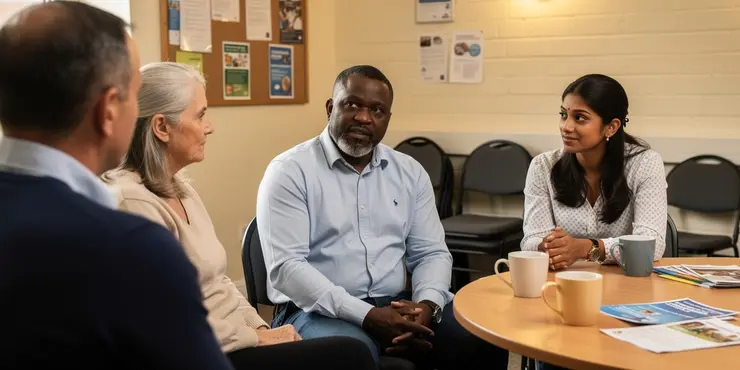
Yes, there are support groups for people with dementia across the UK. These groups can offer practical advice, emotional support, and a chance to meet other people who understand what living with dementia is like.
Support groups are often run by charities, local councils, NHS services, or community organisations. Some are for the person with dementia, while others are designed for family members and carers.
What support groups can help with
Support groups can make dementia feel less isolating. Talking with others in a similar situation can help people share experiences, ask questions, and feel more understood.
They may also offer information about symptoms, local services, benefits, and day-to-day coping strategies. Some groups include activities such as reminiscence sessions, games, music, or gentle exercise.
Types of support groups
There are face-to-face groups in many towns and cities, as well as online groups for people who prefer to join from home. Online options can be especially helpful for those with limited mobility or who live in rural areas.
Some groups are dementia-friendly social clubs, while others are peer support meetings. There are also specialist groups for younger people with dementia, different types of dementia, or people from particular communities.
How to find a group near you
Alzheimer’s Society is one of the main UK charities offering dementia support groups and local services. Age UK, Dementia UK, and local NHS memory services may also be able to point you in the right direction.
You can ask your GP, memory clinic, council adult social care team, or local library for details of nearby groups. Many charities have online search tools where you can enter your postcode to find support in your area.
Choosing the right group
The best group will depend on the person’s needs, confidence, and stage of dementia. Some people prefer a small, relaxed group, while others enjoy larger social sessions.
It can help to try a few different options before settling on one. If the person is anxious about going alone, a family member, friend, or carer may be able to go along for support at first.
Getting started
If you are caring for someone with dementia, support groups can be helpful for you too. They can provide reassurance, reduce stress, and connect you with people who understand the challenges of caring.
If you are unsure where to begin, start with a GP, local Alzheimer’s Society service, or your council’s adult social care team. Even one good support group can make a real difference.
Frequently Asked Questions
Dementia support groups UK are organised meetings, online communities, or local gatherings that provide information, emotional support, and practical advice for people living with dementia, family members, and carers. They can reduce isolation, help people share experiences, and connect them with services and resources across the UK.
Dementia support groups UK are usually open to people living with dementia, their family members, friends, carers, and sometimes professionals supporting dementia care. Some groups are tailored to specific needs, such as early-stage dementia, carers only, or younger-onset dementia.
Dementia support groups UK support carers by offering a safe place to share challenges, learn coping strategies, and hear from others with similar experiences. Many groups also provide information about respite, benefits, local services, and how to manage stress and burnout.
People can find dementia support groups UK through charities such as Alzheimer’s Society, local councils, GP surgeries, memory clinics, libraries, and community centres. Many organisations also list local and online groups on their websites.
Yes, many dementia support groups UK are available online through video calls, forums, and social media communities. Online groups can be helpful for people who have mobility issues, live in rural areas, or prefer support from home.
At dementia support groups UK meetings, attendees may talk about their experiences, listen to guest speakers, take part in activities, or receive practical information about dementia care. The format varies, but most groups focus on support, connection, and useful advice.
Many dementia support groups UK are free, especially those run by charities or local health services. Some may ask for a small donation or charge a modest fee to cover venue costs, refreshments, or materials.
Yes, some dementia support groups UK are specifically designed for people in the early stages of dementia. These groups often focus on maintaining independence, planning ahead, understanding symptoms, and staying socially active.
Yes, dementia support groups UK can help reduce loneliness and social isolation by creating a welcoming space to meet others who understand the condition. Regular contact with peers and carers can improve confidence and emotional wellbeing.
Some dementia support groups UK are suitable for people with young-onset dementia, while others are not. It is best to look for groups that are age-appropriate and address work, family, identity, and life-stage concerns relevant to younger people.
To choose the best dementia support groups UK, consider the person’s stage of dementia, preferred location, accessibility needs, and whether they want peer support, information, or activities. It can help to try a few groups before deciding which feels most comfortable.
Good dementia support groups UK should offer accessible venues, clear communication, manageable group sizes, toilets, seating, and transport-friendly locations. Some groups also provide hearing support, dementia-friendly spaces, and online options.
Dementia support groups UK help newly diagnosed people by offering reassurance, practical guidance, and a chance to meet others who understand what they are going through. They can also explain local services, next steps, and ways to plan for the future.
Yes, dementia support groups UK can help families talk more openly by normalising difficult emotions and creating a supportive environment. Hearing from others often makes it easier to discuss symptoms, care needs, and changes in family roles.
Dementia support groups UK are often run by charities, NHS services, local councils, community organisations, faith groups, and volunteer networks. Some groups are facilitated by trained staff, while others are peer-led by carers or people living with dementia.
To join dementia support groups UK, people usually contact the organiser by phone, email, or website registration. Some groups welcome drop-ins, while others prefer advance booking so they can plan space and support needs.
Someone attending dementia support groups UK meetings may want to bring a notebook, questions, medication if needed, and any mobility or communication aids. It can also help to bring a carer, friend, or family member for support if appropriate.
Yes, dementia support groups UK can be very helpful alongside professional dementia care because they provide emotional and social support that medical appointments may not cover. They often complement GP, memory clinic, and social care services.
Some dementia support groups UK also offer support for bereavement after dementia, especially for former carers and family members. Others may refer people to bereavement counselling or specialist grief services if needed.
Dementia support groups UK can improve quality of life by reducing isolation, increasing knowledge, building confidence, and providing a sense of community. They can also help people and carers feel better prepared to manage day-to-day challenges.

Ergsy Search Results
This website offers general information and is not a substitute for professional advice.
Always seek guidance from qualified professionals.
If you have any medical concerns or need urgent help, contact a healthcare professional or emergency services immediately.
Some of this content was generated with AI assistance. We've done our best to keep it accurate, helpful, and human-friendly.
- Ergsy carefully checks the information in the videos we provide here.
- Videos shown by Youtube after a video has completed, have NOT been reviewed by ERGSY.
- To view, click the arrow in centre of video.
- Most of the videos you find here will have subtitles and/or closed captions available.
- You may need to turn these on, and choose your preferred language.
- Go to the video you'd like to watch.
- If closed captions (CC) are available, settings will be visible on the bottom right of the video player.
- To turn on Captions, click settings.
- To turn off Captions, click settings again.