
Get Answers
Introduction
The UK government often announces budget cuts as part of its efforts to manage public spending and reduce national deficits. These cuts can have widespread impacts across various sectors, affecting everything from healthcare to education. However, there are often groups or sectors that are either partially or wholly exempted from such cuts, owing to their critical nature or unique circumstances. Understanding which groups might be exempt from cuts can provide insights into governmental priorities and policy outcomes.
Healthcare Sector
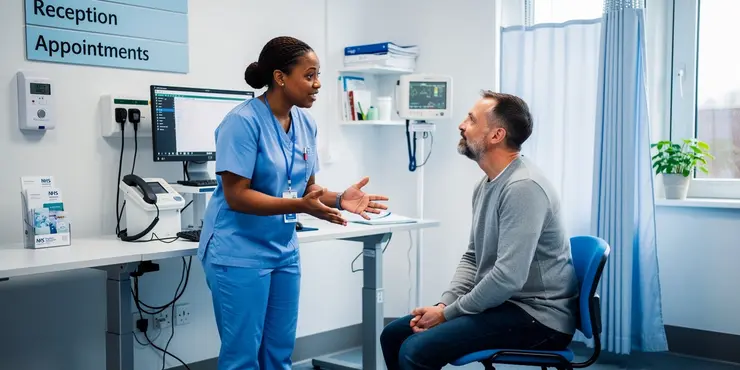
One of the primary areas that often receives exemptions from budget cuts is the healthcare sector, particularly the National Health Service (NHS). Given the importance of healthcare services and the critical role they play in ensuring public welfare, the NHS frequently receives protection from financial reductions. This is especially true in times of public health crises, such as during the COVID-19 pandemic, where additional funding is often allocated to bolster services rather than cut them.
Education and Research
The education sector, including primary, secondary, and higher education, is another area that might experience some level of exemption from budget cuts. The government typically views investment in education as a way to ensure long-term economic growth and societal well-being. Additionally, funding for research and development, which often includes grants and programs that support critical innovations and technological advancements, may also be shielded from cuts to foster economic competitiveness.
Vulnerable Populations
Certain vulnerable populations may receive exemptions or special considerations when it comes to budget cuts. This can include low-income families, the elderly, and those with disabilities. Programs that provide essential services or financial support to these groups, such as housing benefits, disability allowances, and pension schemes, might be maintained or even enhanced despite wider fiscal constraints. Exemptions in these areas are often influenced by moral and ethical considerations, as well as political pressures.
National Security and Defence
Defence and national security are critical areas that governments prioritize to ensure the safety and sovereignty of the nation. As such, defence spending might remain stable or could even increase despite cuts in other areas. Investment in military personnel, equipment, and technology is often justified by the need to respond to emerging global threats and uphold international commitments.
Conclusion
While budget cuts are a common governmental strategy to control public expenditure, certain groups and sectors often receive exemptions based on their importance to the country's infrastructure, security, and long-term growth. Understanding these exemptions can offer valuable insight into governmental priorities and societal values, highlighting the balance between fiscal responsibility and the provision of essential services. The specific exemptions in any given budget announcement will ultimately depend on current economic conditions, political considerations, and social priorities.
Introduction
The UK government sometimes needs to save money by making budget cuts. This means spending less money in different areas like healthcare and education. But some groups or sectors might not have cuts because they are very important. Knowing which ones these are shows what the government thinks is most important.
Healthcare Sector
The NHS, which takes care of people's health in the UK, usually does not have its budget cut. It is very important for looking after people's health, especially during times when many people are sick, like the COVID-19 pandemic. Instead of cutting money, the NHS might get more funding to help even more.
Education and Research
Schools and universities might also not have budget cuts. The government thinks education helps the country grow and do well in the future. Money for research, which helps create new ideas and technology, is also important. It might stay the same or get more funding to keep the country strong in the world.
Vulnerable Populations
Certain groups need extra help. These groups might not see budget cuts. This includes families with less money, older people, and people with disabilities. Programs that give them support, like money to help pay for houses or special benefits, are important. The government wants to help these people because it is the right thing to do.
National Security and Defence
Keeping the country safe is very important. The government might spend the same or more on defence, even when other areas have cuts. This includes money for soldiers and equipment to make sure the country is safe from threats.
Conclusion
When the government makes budget cuts, they often protect critical areas that are very important for the country. Knowing which areas get exemptions helps us understand what the government cares about most. This balance between saving money and providing services is important for everyone.
Frequently Asked Questions
The proposed cuts refer to reductions in funding or resources for certain programs or services.
Yes, there are specific groups that may be exempt, depending on the policy or proposal in question.
Typically, groups such as low-income households, the elderly, or people with disabilities may be considered for exemptions.
Factors may include socioeconomic status, health conditions, and dependency on services for basic needs.
Decisions are usually made by policymakers, government officials, or legislative bodies during budget planning.
Veterans may be exempt from certain cuts, depending on the focus and intent of the budget proposal.
Yes, exemptions can vary widely depending on local laws, priorities, and available funding.
Not necessarily. Some areas might see more significant cuts while others may be protected or even expanded.
While some educational programs may be protected, others can face significant cuts depending on fiscal priorities.
You can review the official policy documents, budget plans, or announcements from relevant authorities.
Healthcare services often receive special consideration, but they are not immune to budget cuts.
Public consultations provide feedback from stakeholders which can influence decisions on exemptions.
Programs serving children, especially those in vulnerable situations, may receive exemption from cuts, but this can vary.
R&D initiatives might face cuts, but strategic projects critical for long-term innovation may be protected.
Advocacy groups can lobby for the protection of specific sectors or demographics, potentially influencing exemption decisions.
Exemptions can lead to more substantial cuts in non-exempt areas, as the total amount of reduction remains a target.
Cultural and arts programs might experience cuts unless they are deemed vital for community engagement and tourism.
Past decisions can set expectations or justify current exemptions, especially if similar economic conditions persist.
Yes, exemptions can be revisited during budget reviews or amendments if conditions change.
Transportation services may not always be exempt, but key routes and essential services often receive protection.
The planned cuts mean there will be less money or resources for some programs or services.
Yes, some groups might not have to follow the rules. It depends on the policy or plan.
Sometimes, special groups of people do not have to pay or follow certain rules. These groups can include:
- Families with little money.
- Older people.
- People who have disabilities.
Things that can affect people are how much money they have, if they have any health problems, and if they need help to get things like food or a place to live.
People like government leaders or groups who plan money budgets, are the ones who make decisions.
Veterans might not have to worry about some cuts if the budget plan wants to protect them.
Yes, rules about exemptions can be different in each area. It depends on local laws, what's important there, and how much money they have.
No, not always. Some places might lose things, but other places might keep what they have or get more.
Some school programs are safe. But others might lose money because of budget choices.
You can look at important papers, money plans, or news from the people in charge.
Healthcare services are very important, but they can still lose money if there are budget cuts.
Public consultations are meetings where people can share their thoughts. These thoughts can help change the rules about exemptions.
Programs that help children, especially those who need extra support, might not have to deal with budget cuts. But this can change depending on the situation.
Sometimes, less money is given to research and development projects. But important projects for future new ideas might still get the money they need.
Advocacy groups are people or organizations that help others. They can ask government leaders to protect certain groups of people or types of jobs. This can help the government make decisions on who gets special help.
If some areas get special treatment, other areas might lose more because the total amount we need to save stays the same.
Money for culture and arts programs might get cut. But if these programs help people come together or bring in tourists, they might be kept.
What happened before can help us know what to expect now. It can also explain why some rules are different for some people, especially if money problems are the same as before.
Yes, they can look at exemptions again during budget checks or changes if things change.
Transport services are not always free, but important routes and services usually get special help.

Ergsy Search Results
This website offers general information and is not a substitute for professional advice.
Always seek guidance from qualified professionals.
If you have any medical concerns or need urgent help, contact a healthcare professional or emergency services immediately.
Some of this content was generated with AI assistance. We've done our best to keep it accurate, helpful, and human-friendly.
- Ergsy carefully checks the information in the videos we provide here.
- Videos shown by Youtube after a video has completed, have NOT been reviewed by ERGSY.
- To view, click the arrow in centre of video.
- Most of the videos you find here will have subtitles and/or closed captions available.
- You may need to turn these on, and choose your preferred language.
- Go to the video you'd like to watch.
- If closed captions (CC) are available, settings will be visible on the bottom right of the video player.
- To turn on Captions, click settings.
- To turn off Captions, click settings again.