
Get Answers
Introduction to GLP-1 Medications
Glucagon-like peptide-1 (GLP-1) receptor agonists are a class of medications that are primarily used in the treatment of type 2 diabetes. They work by mimicking the actions of the naturally occurring hormone GLP-1, which increases insulin secretion, suppresses glucagon release, and slows gastric emptying. These effects help to improve blood glucose control and can also aid in weight loss.
Traditional Administration of GLP-1 Medications
Traditionally, GLP-1 receptor agonists have been administered via subcutaneous injections. This mode of administration can be inconvenient for some patients, as it requires injection equipment and adherence to proper technique. The need for frequent injections can also be a barrier to adherence, which can impact the effectiveness of the medication in managing diabetes.
Availability of Oral GLP-1 Medications
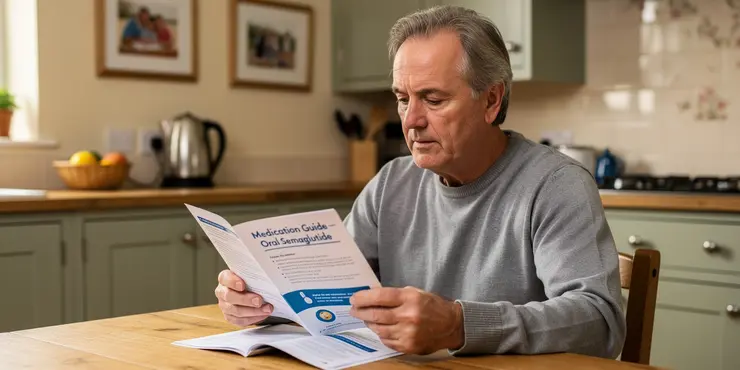
For those in the UK seeking alternatives to injectable GLP-1 medications, there is good news. There is an oral GLP-1 receptor agonist available: semaglutide. The oral formulation of semaglutide is marketed under the brand name Rybelsus. This innovative development offers a more convenient option for patients, eliminating the need for injections while providing similar benefits in controlling blood glucose levels.
Rybelsus: The Oral GLP-1 Option
Rybelsus contains the active ingredient semaglutide in an oral tablet form. It is noteworthy for being the first and, as of now, the only GLP-1 receptor agonist that can be taken orally. This medication has been available in the UK since the approval of its use for managing type 2 diabetes. It provides added flexibility, as patients can take it in a simple oral tablet form, making it an attractive option for those who prefer to avoid injections.
Effectiveness and Considerations
The effectiveness of oral semaglutide in managing blood glucose levels is comparable to its injectable counterparts. Clinical trials have demonstrated that Rybelsus can significantly lower HbA1c levels and promote weight loss in individuals with type 2 diabetes. However, it is important for patients to take the medication as prescribed, typically on an empty stomach, at least 30 minutes before consuming any food or beverages.
Conclusion
Patients in the UK now have the option of using an oral GLP-1 receptor agonist through Rybelsus (semaglutide). This advancement provides a convenient alternative to injections, helping individuals to better manage their type 2 diabetes while maintaining their preferred lifestyle. As always, it is crucial for patients to consult with healthcare providers to determine the most appropriate treatment plan for their specific needs.
Introduction to GLP-1 Medications
GLP-1 medicines help people with type 2 diabetes. They copy a hormone in your body called GLP-1. This hormone helps your body make more insulin. It also helps keep your blood sugar steady and can help you lose weight.
Traditional Administration of GLP-1 Medications
People usually take GLP-1 medicines as injections with a needle. This can be hard for some people because they need special tools and have to learn how to do it right. Getting shots often can be difficult and might stop people from using their medicine correctly.
Availability of Oral GLP-1 Medications
In the UK, there is a pill form of GLP-1 medicine you can take called Rybelsus. It has the same ingredient as the injections, called semaglutide. This pill is easier because you don’t need a shot, but it still helps control blood sugar.
Rybelsus: The Oral GLP-1 Option
Rybelsus is a pill that you swallow. It’s the first GLP-1 medicine available in pill form. This makes it easier to take because there are no needles. It's a good choice if you do not like injections.
Effectiveness and Considerations
Rybelsus works well to help manage blood sugar, just like the injections. Studies show it also helps people lose weight. You must take it as the doctor says, usually before you eat or drink anything, for it to work best.
Conclusion
People in the UK can take Rybelsus, a GLP-1 pill, instead of shots. This makes treating type 2 diabetes easier. Always talk to your doctor to find out what’s best for you and how to manage your diabetes well.
Frequently Asked Questions
GLP-1 medications are a class of drugs that mimic the action of the GLP-1 hormone, which helps regulate blood sugar levels and aids in weight management.
Yes, there are GLP-1 medications available that can be taken orally.
An example of an oral GLP-1 medication is Rybelsus (semaglutide).
Oral semaglutide works by mimicking the GLP-1 hormone, which increases insulin production and decreases glucagon release, thus lowering blood sugar.
Clinical trials suggest that oral semaglutide is effective, but it may be slightly less potent than the injectable forms.
The benefits include ease of use without injections and the ability to incorporate into existing oral medication routines.
They are commonly used to treat type 2 diabetes and may also aid in weight management.
Common side effects include nausea, vomiting, diarrhea, and abdominal pain.
Patients with a history of medullary thyroid carcinoma or multiple endocrine neoplasia syndrome type 2 should avoid these medications.
They should be taken on an empty stomach, at least 30 minutes before the first meal of the day.
While primarily used for diabetes, they can also aid in weight loss as a secondary benefit.
Yes, they can interact with certain medications, so it's important to consult with a healthcare provider.
They may begin to lower blood sugar within a few weeks, but full effects can take several months.
There are usually no specific dietary restrictions, but a healthy diet can enhance medication benefits.
They can be used alone or in combination with other diabetes medications, depending on individual cases.
Factors include patient preference, tolerance, administration convenience, and healthcare provider recommendations.
Regular blood sugar monitoring is recommended to assess the effectiveness and adjust dosages if necessary.
Long-term safety data is continually being collected but they are generally considered safe with regular follow-up.
Follow your healthcare provider's guidance, but generally take it as soon as you remember unless it's close to the next dose.
Yes, a prescription from a licensed healthcare provider is required.
GLP-1 medicines are drugs that work like a hormone in your body. This hormone helps control your sugar levels and can help you manage your weight.
Yes, there are GLP-1 medicines that you can take by mouth.
A medicine you can take by mouth for GLP-1 is called Rybelsus. Its other name is semaglutide.
Oral semaglutide is a medicine that helps the body control blood sugar. It acts like a natural hormone called GLP-1. This hormone tells the body to make more insulin and to make less glucagon. Insulin helps lower blood sugar, so this medicine helps keep blood sugar levels normal.
Clinical trials show that oral semaglutide works well. But, it might be a little less strong than the versions you inject.
This medicine is easy to use because you do not need to use needles. You can take it with other pills you already take.
These medicines help people with type 2 diabetes. They can also help you lose or control your weight.
Some things that might happen when you take this are feeling sick, throwing up, having loose poo, and tummy ache.
People who had medullary thyroid cancer or a problem called multiple endocrine neoplasia type 2 should not take these medicines.
You should take them when your tummy is empty. This means at least 30 minutes before you eat breakfast.
These medicines help people with diabetes. They can also help people lose weight. This is an extra benefit.
Yes, some medicines can mix with other medicines. Always talk to a doctor or pharmacist first.
Medicines can start to help lower blood sugar in a few weeks. But for the best results, it might take a few months.
There are no special food rules to follow. But eating healthy food can help medicine work better.
Doctors might give these medicines by themselves or with other diabetes medicines. It depends on what each person needs.
Things to think about:
- What the person likes.
- What the person can handle.
- How easy it is to take the medicine.
- What the doctor or nurse says.
Helpful tips:
- Ask a friend or family member to help you.
- Use pictures or videos to understand better.
- Write down important information.
It's good to check your blood sugar often. This helps to see how well your medicine is working. You can change the amount you take if needed.
We keep checking if things are safe over a long time. People think they are safe if they have regular check-ups.
Ask your doctor what to do. If you forget to take your medicine, take it when you remember. But if it's almost time for the next dose, wait and take the next one.
Yes, you need a doctor’s note to get it.

Ergsy Search Results
This website offers general information and is not a substitute for professional advice.
Always seek guidance from qualified professionals.
If you have any medical concerns or need urgent help, contact a healthcare professional or emergency services immediately.
Some of this content was generated with AI assistance. We've done our best to keep it accurate, helpful, and human-friendly.
- Ergsy carefully checks the information in the videos we provide here.
- Videos shown by Youtube after a video has completed, have NOT been reviewed by ERGSY.
- To view, click the arrow in centre of video.
- Most of the videos you find here will have subtitles and/or closed captions available.
- You may need to turn these on, and choose your preferred language.
- Go to the video you'd like to watch.
- If closed captions (CC) are available, settings will be visible on the bottom right of the video player.
- To turn on Captions, click settings.
- To turn off Captions, click settings again.