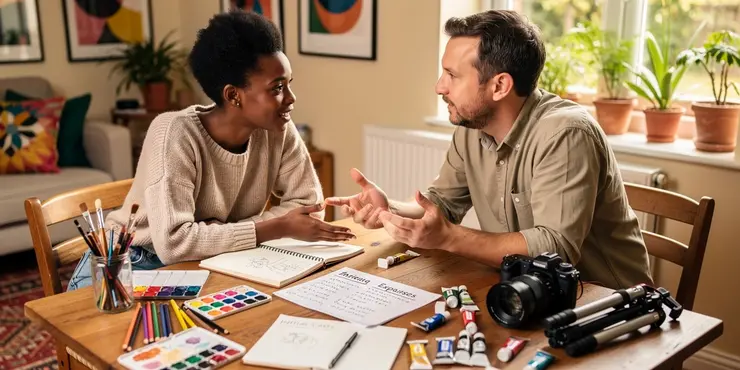

Speak To An Expert
Get clear, personalised advice for your situation.
Jot down a few questions to make the most of your conversation.
Initial Costs
When selecting a new hobby, it is essential to consider the initial costs involved. Many hobbies require a financial outlay to get started, whether for purchasing equipment, enrolling in classes, or acquiring necessary materials. For instance, taking up photography might require an investment in a good quality camera and lenses. Hobbies like painting require brushes, canvases, and paints from the outset. Understanding these initial costs can help you determine if the hobby is feasible within your budget.
Ongoing Expenses
Besides the initial costs, ongoing expenses should also be taken into account. Some hobbies, such as gardening, involve regular purchases like seeds, plants, and fertilizers. Similarly, if you engage in a sport, there may be membership fees for clubs, costs for hiring facilities, or regular equipment replacements. It's prudent to calculate these recurrent expenses to avoid unexpected financial strains.
Access to Facilities
Certain hobbies require access to specific facilities or venues, which might not be readily available for free. For example, rock climbing often necessitates visits to climbing centers, which charge entry fees. Similarly, cooking enthusiasts may require a larger kitchen or specific appliances. These additional costs can add up over time, so it is worthwhile to factor them into the decision-making process.
Time Commitment
While time is not a financial cost, it can have financial implications. Hobbies that demand a significant amount of time can affect your ability to engage in income-generating activities. Full-time workers or professionals in the UK should consider whether dedicating time to a new hobby might interfere with their work-life balance or result in lost income.
Cost-saving Tips
There are ways to lessen the financial burden when beginning a new hobby. Consider opting for second-hand equipment or materials, which can be found on platforms like eBay or charity shops. Joining local clubs or online communities for your chosen hobby can also reveal tips for saving money and offer advice from experienced hobbyists. Many communities also organize equipment swaps or offer free classes.
Potential Revenue
Some hobbies, if developed skillfully, can generate income. For example, craftspeople can sell handmade items on platforms like Etsy. Cooking enthusiasts might find opportunities in catering small events. While this should not be the primary motivator for selecting a hobby, it is a potential benefit that can offset the costs over time.
Starting Costs
When choosing a new hobby, think about the starting costs. Many hobbies need money at the beginning. You might need to buy things or pay for classes. For example, if you want to do photography, you might need to buy a good camera. If you want to paint, you need brushes and paint. Knowing these costs helps you decide if the hobby is affordable for you.
Regular Expenses
After starting, you may need to spend money regularly. For example, gardening needs seeds and plants often. Sports can have club fees or need new equipment. It's good to know these costs, so you don't get surprised later.
Places to Do Hobbies
Some hobbies need special places. For example, if you want to go rock climbing, you might need to pay to use a climbing center. Cooking might need a big kitchen. These extra costs can add up, so include them in your decision.
Time Needed
Time isn't money, but it can affect your finances. Some hobbies need a lot of time. If you work full-time, think about whether the hobby will affect your job or free time.
Saving Money Tips
You can save money when starting a hobby. You can buy second-hand items from places like eBay. Join local clubs or online groups for advice. People can share tips, swap items, or offer free classes.
Making Money
Some hobbies can make you money. For example, selling crafts online or cooking for events. This should not be the main reason to pick a hobby, but it can help cover costs.
Frequently Asked Questions
The initial cost of a new hobby can vary widely. Consider the basic equipment, materials, or lessons required to start, and ensure it's within your budget.
Yes, many hobbies have recurring costs like maintenance, upgrades, or subscription fees. Be sure to account for these in your budget.
Some hobbies, like photography or crafting, can potentially be monetized. Consider this when evaluating the financial impact of your hobby.
Look for second-hand equipment, borrow or rent items, join community groups, or take advantage of free online resources to keep costs low.
Yes, time investment can translate to financial opportunity cost. Consider how much time you're willing to allocate away from potentially productive activities.
Yes, hobbies like running, drawing, or reading often require minimal financial investment to get started.
If you consistently go over budget, accumulate debt, or find yourself prioritizing hobby expenses over essentials, it might be financially unsustainable.
Budgeting is crucial to ensure you can enjoy your hobby without negatively impacting your financial health.
Yes, hobbies can impact savings goals or discretionary spending. Ensure your hobby aligns with your overall financial planning.
Use budgeting apps or spreadsheets to monitor hobby-related expenses regularly and adjust as needed.
Sampling multiple hobbies can be fun but may not be financially wise if it stretches your budget. Consider prioritizing a few until you find one you're passionate about.
Hidden costs can include travel, storage for equipment, specialized clothing, or fees for community membership. Consider all possible expenses.
Engaging with a community can lead to shared resources and cost-saving opportunities, but can also introduce participation fees or social costs if not managed well.
Indirectly, yes. If hobby spending leads to credit card debt and missed payments, it can negatively affect your credit score.
Set a clear budget, prioritize spending, seek cost-effective ways of participation, and regularly assess its financial impact.
Activities like collecting antiques, art, or rare items involve initial investment with possible future financial returns.
Occasional splurges are fine if they're planned and do not disrupt your overall financial health.
If your hobby turns into a business, you might be eligible for certain tax deductions related to equipment and travel. Consult a tax professional for guidance.
Discussing your hobby's financial aspects with family or friends can offer different perspectives and help in better financial planning.
Regularly reassess, at least semi-annually or annually, to ensure that hobby-related spending aligns with your financial situation and goals.
Starting a new hobby can cost different amounts of money. First, think about what tools, things, or lessons you need to begin. Make sure you have enough money to pay for them.
Yes, lots of hobbies can cost money again and again. You might need to pay for fixing things, getting new parts, or paying monthly fees. Make sure to plan for these costs in your budget. It can help to use a calendar or a money app to keep track of your spending.
Some hobbies, like taking photos or making things, can help you make money. Think about this when you look at how your hobby affects your money.
To save money, you can try these ideas:
- Buy things that are used.
- Borrow or rent what you need.
- Join clubs or groups in your area.
- Use free helpers online.
Yes, spending time on one thing can mean losing money from another thing. Think about how much time you spend not doing things that can earn you money.
Try using a timer to manage your time better, or make a list of things to do. This can help you use your time wisely.
Yes, hobbies like running, drawing, or reading do not cost much money to start.
If you keep spending too much money, get into debt, or spend money on hobbies instead of important things, you might have money problems.
Here are some tips to help:
- Make a list of things you need to buy first, like food and bills.
- Set a limit on how much you can spend on hobbies each month.
- Use a simple app to track your spending and see where your money goes.
It is important to plan how you spend your money. This way, you can have fun with your hobby and still have enough money for other things you need.
Yes, hobbies can affect how much money you save or spend. Check that your hobby fits with how you want to use your money.
Try using money-tracking apps or a simple chart to keep an eye on what you spend on your hobbies. Update it often and make changes if you need to.
Trying lots of hobbies can be fun! But it might cost a lot of money. Try picking just a few hobbies first. Then you can see which one you really love.
Tip: Use a budget sheet or app to track how much you spend on each hobby.
Sometimes there are extra costs that we don't see right away. These can be things like money for travel, a place to keep your equipment, special clothes you might need, or fees to join a group or club. It's important to think about all these things when planning your budget.
Being part of a group can help you save money and share things. But, sometimes there might be extra costs or you might have to help out more, if things are not organized well.
Yes, it can. If you spend too much money on hobbies and don't pay your credit card bill, it can hurt your credit score.
Make a budget. Decide what is most important to spend money on. Find cheaper ways to join in. Check often how it affects your money.
Buying old things, art, or rare stuff can be a fun activity. You might spend money at first, but one day you might sell them for more money.
It's okay to spend a little extra sometimes if you plan it and it doesn't hurt your money situation.
If you start making money from your hobby, it might become a business. You can get money back on taxes for things like tools and travel costs. Talk to a tax expert to find out more.
Talking about the money you spend on your hobbies with your family or friends can give you new ideas and help you plan better.
Check your spending on hobbies twice a year or once a year. This helps make sure you are spending the right amount of money for your budget and goals.

Ergsy Search Results
This website offers general information and is not a substitute for professional advice.
Always seek guidance from qualified professionals.
If you have any medical concerns or need urgent help, contact a healthcare professional or emergency services immediately.
Some of this content was generated with AI assistance. We've done our best to keep it accurate, helpful, and human-friendly.
- Ergsy carefully checks the information in the videos we provide here.
- Videos shown by Youtube after a video has completed, have NOT been reviewed by ERGSY.
- To view, click the arrow in centre of video.
- Most of the videos you find here will have subtitles and/or closed captions available.
- You may need to turn these on, and choose your preferred language.
- Go to the video you'd like to watch.
- If closed captions (CC) are available, settings will be visible on the bottom right of the video player.
- To turn on Captions, click settings.
- To turn off Captions, click settings again.