
Get Answers
Introduction
Pregnancy is a unique time in a woman's life that involves numerous physiological and anatomical changes. Regular exercise can be beneficial for most pregnant women, helping to maintain fitness, manage weight gain, and improve mood. However, certain exercises may pose risks during pregnancy and should be avoided or modified for safety. This article highlights exercises to avoid during pregnancy for a UK audience.
High-Impact and Contact Sports
High-impact and contact sports pose a risk of injury, falls, or abdominal trauma, which are best avoided during pregnancy. Sports such as rugby, football, hockey, and basketball are not recommended due to their aggressive nature. These activities could potentially lead to collisions or hard impacts, risking harm to both the mother and developing baby.
Exercises with a High Risk of Falling
Activities that increase the risk of falling are generally advised against during pregnancy. This includes skiing, snowboarding, surfing, and gymnastics. The changes in a woman's centre of gravity and balance during pregnancy increase the likelihood of falls, which could result in injury. In the UK, where outdoor activities are common, it is important for pregnant women to choose safer alternatives like walking or swimming.
Scuba Diving
Scuba diving is another activity that should be avoided throughout pregnancy. It poses a significant risk due to decompression issues that can affect the baby, leading to complications. When under pressure underwater, the developing baby cannot safely expel gases, presenting potential hazards.
Exercises Lying Flat on the Back after the First Trimester
Exercises that require lying flat on the back, such as certain abdominal exercises, should be avoided after the first trimester. This position can compress the inferior vena cava, the vein that returns blood from the lower body to the heart, potentially reducing blood flow to the mother and baby. Instead, opt for modified exercises that keep the head elevated or are performed standing or sitting.
High-Intensity Interval Training (HIIT) and Heavy Lifting
High-Intensity Interval Training (HIIT) and heavy weightlifting are exercises that may also need modification or avoidance during pregnancy. They can place undue stress on the body, elevating heart rate and blood pressure to potentially unsafe levels. Pregnant women should consult their healthcare provider for modifications tailored to their fitness level and stage of pregnancy.
Conclusion
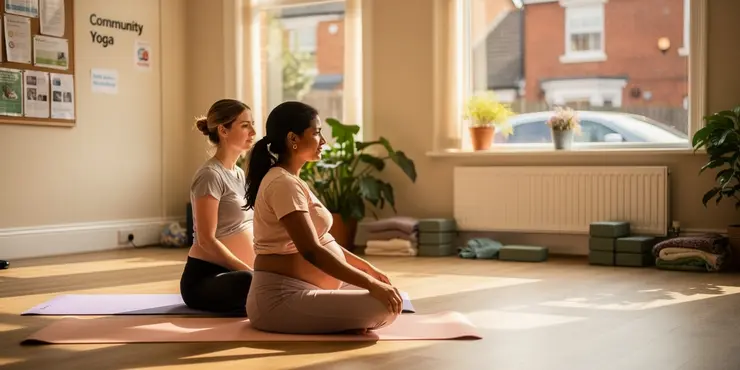
While exercise during pregnancy is generally beneficial, certain types should be avoided to ensure the safety of both mother and baby. Consulting with a healthcare professional before starting or continuing an exercise routine is crucial. Safe alternatives include walking, swimming, prenatal yoga, and other low-impact exercises. Every pregnancy is unique, and a personalised approach is the best way to maintain fitness safely during this special time.
Introduction
Being pregnant is a special time in a woman’s life. Her body goes through many changes. Exercise can be good for most pregnant women. It helps them stay fit, manage weight, and feel happy. But some exercises are not safe during pregnancy. This guide shows which exercises to avoid while pregnant in the UK.
High-Impact and Contact Sports
Sports that have a lot of jumping or where people can bump into each other are not safe when you are pregnant. Sports like rugby, football, hockey, and basketball can cause injuries. These sports can lead to falls or hits to the tummy, which can harm you and your baby.
Exercises with a High Risk of Falling
Some activities can make falling more likely, which is dangerous when you are pregnant. These include skiing, snowboarding, surfing, and gymnastics. During pregnancy, your balance changes, making falls more likely. In the UK, outdoor activities are popular, so it's important to pick safer activities like walking or swimming when you're pregnant.
Scuba Diving
Scuba diving should not be done while you are pregnant. It is risky because of problems with pressure underwater. Diving can cause issues for the baby, and it cannot handle the gases safely. It is better to choose other activities.
Exercises Lying Flat on the Back after the First Trimester
After the first three months of pregnancy, avoid exercises where you lie flat on your back. This position can press on a big vein in your body and reduce blood flow to you and your baby. Try exercises where your head is up or do them sitting or standing.
High-Intensity Interval Training (HIIT) and Heavy Lifting
HIIT and heavy lifting might need changes or should be avoided when you are pregnant. These exercises can raise your heart rate and blood pressure too much. Pregnant women should talk to their doctor to see what exercises are safe for them.
Conclusion
Exercise is usually good when you are pregnant, but some exercises should be avoided for safety. Always talk to a healthcare professional before starting or continuing exercises. Safe activities include walking, swimming, prenatal yoga, and other gentle exercises. Every pregnancy is different, so find what is best for you to stay healthy and safe during this special time.
Frequently Asked Questions
During the first trimester, it's advised to avoid high-impact exercises, contact sports, or activities that carry a risk of falling, such as skiing or horse riding.
Crunches should generally be avoided, especially as your belly grows, due to the risk of diastasis recti and unnecessary pressure on the abdomen.
Contact sports carry a risk of physical collision, which could lead to injury or complications affecting the baby.
Light to moderate weightlifting can be safe, but heavy lifting should be avoided to prevent strain and injury. Always consult your healthcare provider.
Hot yoga is not recommended during pregnancy due to the risk of overheating, which can be detrimental to both the mother and baby.
Scuba diving is not safe during pregnancy due to the risk of decompression sickness and potential harm to the developing fetus from pressure changes.
Horseback riding is generally not recommended due to the risk of falling and abdominal trauma.
Lying flat on your back can compress the vena cava, a large vein that can reduce blood flow to both mother and baby.
High-altitude activities should be avoided due to the potential for reduced oxygen flow which can affect both mother and baby.
Yes, any exercises that overly strain the abdominal muscles, such as sit-ups, should be avoided to prevent diastasis recti.
Running can be safe if you were a runner before pregnancy, but it should be done with care and possibly reduced intensity as the pregnancy progresses.
Activities with a high risk of falls should be avoided to prevent potential harm to the baby and injury to the mother.
Intense interval training should generally be avoided due to the stress and strain it places on the body.
Gymnastics should be avoided due to the high risk of falls and abdominal trauma.
While yoga can be beneficial, certain poses that involve intense stretching or lying flat on your back should be avoided.
Aerial sports pose a significant risk of falls and should be avoided during pregnancy.
Pilates can be safe if modified appropriately, avoiding exercises that compress the abdomen or involve lying flat on the back.
Vigorous activities can lead to overheating, dehydration, and increased risk of falls or strain, which could affect the pregnancy.
Falls can lead to injuries and complications, potentially harming both the mother and the unborn child.
In a high-risk pregnancy, activities should be limited and closely supervised by a healthcare provider.
In the first three months of being pregnant, it is best not to do exercises that are hard on your body. Don't play rough sports. Also, don't do activities where you might fall, like skiing or horse riding.
It is best not to do crunches, especially when your tummy gets bigger. They can hurt your tummy muscles and put too much pressure on your belly.
Sports where people bump into each other can be risky. You might get hurt, and this can be bad for the baby.
Lifting light weights can be safe. But don't lift heavy weights because you might get hurt. Always ask your doctor first.
It is not safe to do hot yoga when you are pregnant. This is because it can make you too hot, which is not good for you or the baby.
Scuba diving is not safe if you are pregnant. This is because it can hurt the baby inside you. The changes in water pressure can cause problems.
Riding a horse can be dangerous because you might fall and hurt your tummy. It's better to be safe and find something else to do.
Lying on your back can squeeze a big vein called the vena cava. This vein is important because it helps blood flow to both the mom and the baby. If it gets squeezed, there might be less blood flow.
It's not safe to go high up in the mountains or do things where there is not a lot of air. This can be bad for both the mom and the baby because they need enough air to breathe.
Yes, don't do exercises like sit-ups that are hard on your tummy muscles. They can cause something called diastasis recti, which means your tummy muscles get stretched too much.
Running is okay if you ran before you got pregnant. But, you should be careful and maybe not run as hard as your belly gets bigger.
Stay away from activities where you might fall down. This keeps you and your baby safe and stops you from getting hurt.
Hard exercise can make your body tired and hurt. It is better not to do it too much. Take your time and go easy.
People should not do gymnastics because they could fall and hurt their belly.
Yoga is good for you, but some moves can be too hard or not safe. Don't do moves where you stretch a lot or lie flat on your back.
Flying sports can be dangerous because you might fall. It's best not to do them when you're pregnant.
Pilates can be safe if you make changes. Do not do exercises that press on your tummy or have you lying on your back.
Doing hard activities can make you too hot, lose water, and have more falls or hurt yourself. This might not be safe if you are pregnant.
Falling down can hurt both the mom and her unborn baby. It can cause injuries and problems.
If a baby might have some problems, the mom needs to be careful. She should do less and talk to her doctor a lot.

Ergsy Search Results
This website offers general information and is not a substitute for professional advice.
Always seek guidance from qualified professionals.
If you have any medical concerns or need urgent help, contact a healthcare professional or emergency services immediately.
Some of this content was generated with AI assistance. We've done our best to keep it accurate, helpful, and human-friendly.
- Ergsy carefully checks the information in the videos we provide here.
- Videos shown by Youtube after a video has completed, have NOT been reviewed by ERGSY.
- To view, click the arrow in centre of video.
- Most of the videos you find here will have subtitles and/or closed captions available.
- You may need to turn these on, and choose your preferred language.
- Go to the video you'd like to watch.
- If closed captions (CC) are available, settings will be visible on the bottom right of the video player.
- To turn on Captions, click settings.
- To turn off Captions, click settings again.