
Speak To An Expert
Get clear, personalised advice for your situation.
Jot down a few questions to make the most of your conversation.
Understanding Prepayment Electricity Tariffs
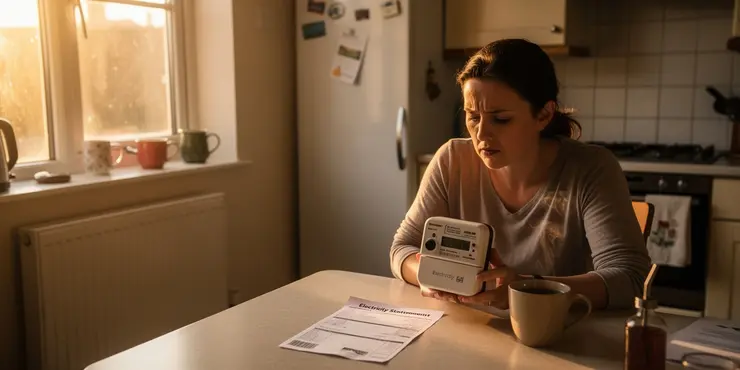
Prepayment electricity tariffs, commonly known as pay-as-you-go tariffs, require customers to pay for energy before they use it. This is typically done using a prepayment meter, where users must purchase credits to be loaded onto their meter, allowing them to access electricity. While this method of payment offers certain advantages, it has been a topic of discussion regarding its cost-effectiveness compared to other billing methods.
Comparison with Standard Tariffs
For many UK consumers, prepayment tariffs are often considered more expensive than standard credit tariffs. This is partly due to the operational costs associated with prepayment meters, including their installation, maintenance, and the infrastructure required to manage them. Suppliers may pass these costs onto customers, somewhat justifying the higher rates often seen with prepayment plans.
Benefits of Prepayment Meters
Despite the potential higher costs, prepayment meters offer certain advantages that can be beneficial for specific groups of consumers. These meters provide the ability to better manage household budgets, as they allow users to pay for electricity on an as-needed basis, preventing the potential buildup of debt. They also offer transparency regarding energy usage, enabling consumers to see exactly how much energy they are consuming and how much it costs, which can encourage more efficient energy use.
Cost Considerations
Research and reports have shown that prepayment users historically face higher per-unit rates than their credit-paying counterparts. The reasons include the added costs suppliers incur in managing this type of tariff, as well as fewer competitive options in the prepayment market compared to the broader energy market. As a result, prepayment tariffs might not always be the best choice for cost-conscious consumers who have the option to switch.
Regulations and Protections
The UK government and energy regulators have recognized the cost challenges faced by prepayment users. Initiatives such as the Prepayment Meter Price Cap, implemented by Ofgem, aim to ensure that prepayment tariffs remain fair and affordable. This cap limits the amount suppliers can charge, providing some financial protection to prepayment customers. Despite these measures, it remains important for consumers to regularly review their energy options and switch suppliers or tariff types if more economical choices are available.
Conclusion
While prepayment electricity tariffs can indeed be more expensive than standard credit tariffs, they offer certain benefits that make them suitable for some consumers. The choice between tariff types should be based on individual circumstances, weighing the advantages of financial control and transparency against the potential for higher rates. By staying informed and reviewing available options, consumers can make the best decision for their energy needs.
Understanding Prepayment Electricity Tariffs
Prepayment electricity tariffs are like pay-as-you-go for your energy. You pay before you use electricity. You use a prepayment meter to do this. You buy credits and load them onto the meter. This lets you have electricity at home. Paying this way can be good for some, but people talk about whether it costs more than other ways to pay for electricity.
Comparison with Standard Tariffs
In the UK, prepayment tariffs can cost more than regular tariffs. This is because of the extra costs to keep the prepayment meters working. Companies need to install and take care of these meters, and they might charge you more for it. So, prepayment might cost more than other plans.
Benefits of Prepayment Meters
Even if they cost more, prepayment meters have good points. They help people manage money better. You only pay when you need more electricity. This helps you avoid debt. You can also see how much electricity you use and what it costs. This can help you use less and save money.
Cost Considerations
Studies show that people with prepayment meters usually pay more for each unit of electricity. This is because of the extra costs for running these meters and fewer choices in who supplies the electricity. If saving money is important to you, and you can switch, prepayment might not be the best choice.
Regulations and Protections
The UK government knows that prepayment customers can pay more. They have rules to help. The Prepayment Meter Price Cap by Ofgem stops suppliers from charging too much. This protects people using prepayment meters. It's still important to check if there are better deals for your electricity and switch if you can.
Conclusion
Prepayment electricity tariffs can cost more than standard tariffs. But they also have benefits, like helping to control finances. People should think about their own needs before choosing. Look at both the control and clear costs of prepayment, and the possible higher price. Stay informed and look for good deals to make the best choice for your electricity.
Frequently Asked Questions
A prepayment electricity tariff is a payment plan where consumers pay for electricity before using it, typically via a prepayment meter.
Prepayment tariffs can often be more expensive than standard credit tariffs, as they may have higher unit prices or standing charges.
Prepayment tariffs might be more expensive due to the higher costs associated with managing and maintaining prepayment meters and systems.
Prepayment meters can lead to higher energy costs if the tariffs are set at higher rates compared to other types of tariffs available on the market.
Yes, in most cases, you can switch from a prepayment tariff to a standard credit tariff or another type, often after checking compatibility with your provider.
You can compare your current tariff rates with other available tariffs using price comparison websites or by contacting your energy supplier.
The benefits of a prepayment tariff include better control over budgeting and no risk of running up debt for energy usage.
Some suppliers might offer discounts for prepayment tariffs, but generally, standard credit tariffs tend to have more discounts or incentives.
Government schemes, such as energy discounts or subsidies, can sometimes help reduce the cost of prepayment tariffs, but eligibility varies.
Generally, paying by direct debit can be cheaper than using a prepayment meter, as direct debit tariffs usually offer lower rates.
A standing charge is a fixed daily cost associated with having an electricity supply, which applies to both prepayment and standard credit tariffs.
Many suppliers offer online or app-based top-up systems for prepayment meters, providing convenient ways to manage payments.
Most energy suppliers offer prepayment tariffs, but the rates and terms can vary significantly between providers.
If you run out of credit, your electricity supply will be cut off until you top up your meter. Suppliers may offer emergency credit to prevent disconnection.
Yes, it is possible to have both electricity and gas on prepayment meters, known as dual fuel prepayment tariffs.
While prepayment tariffs offer budget control, they can be more expensive, making energy costs a higher burden for low-income households.
Energy companies or charities may offer assistance or advice for those struggling with energy costs on prepayment tariffs.
Yes, smart meters can be used with prepayment tariffs, allowing consumers to top up remotely and monitor usage more easily.
A prepayment meter requires topping up in advance for usage, while a credit meter bills you for energy used within a billing cycle.
Switching from a prepayment to a credit meter can lead to changes in billing frequency, methods, and potentially lower costs if you choose a cheaper tariff.
A prepayment electricity plan is a way to pay for electricity before you use it. People usually pay through a special meter.
Prepayment plans can cost more money than regular plans. They might charge you more for each unit of energy or have higher extra fees.
Prepayment tariffs can cost more money. This is because it costs a lot to take care of the meters and systems that let you pay before you use energy.
Prepayment meters can make your energy bills higher. This happens when the price you pay is more expensive than other prices you could choose from.
Yes, you can usually change from a prepayment plan to a regular billing plan or another type. Check with your energy company first to make sure you can switch.
You can see if your energy prices are good. You can check websites that compare prices. Or you can call your energy company and ask them.
When you pay for energy before you use it, it's called a prepayment tariff. It helps you manage your money better. You won't owe money for using too much energy.
Some companies might give you money off if you pay before you use the energy. But usually, paying later gives you more ways to save money.
Sometimes, the government can help make energy cheaper. They might give you discounts or extra money. But, not everyone can get this help. It depends on who you are and your situation.
Paying your bills with direct debit is often cheaper than using a prepayment meter. Direct debit usually has lower prices.
A standing charge is a fixed cost you pay every day to have electricity. This charge is the same whether you pay before using the electricity or pay when you get the bill later.
Here are some tips that might help you understand better:
- Use a highlighter to mark important words.
- Ask someone you trust to read it with you.
- Look for videos online to explain it in a fun way.
A lot of companies let you add money to your prepay meter using the internet or an app. This makes it easy to pay for your energy.
Most energy companies let you pay for energy before you use it. But the prices and rules can be different with each company.
If you use up all your credit, your electricity will stop working until you add more money to your meter. Your electricity company might give you emergency credit to stop this from happening.
Yes, you can use both electricity and gas with special meters called prepayment meters. These are called dual fuel prepayment tariffs.
Paying for your energy early can help you plan your spending. But, it might cost you more money. This can make it hard for people who don’t have a lot of money.
Energy companies or charities can help if you are having trouble paying for energy. If you use a prepayment meter, they can give you advice or support.
Yes, smart meters work with pay-as-you-go plans. People can add money from far away and see how much energy they are using more easily.
A prepayment meter is like a pay-as-you-go phone. You pay for energy before you use it. You need to top it up, like putting money on a phone card.
A credit meter is different. It lets you use energy first. Later, you get a bill for what you used.
Changing from a pay-as-you-go meter to a credit meter can mean different bills. You might get them more often or in other ways. You could also pay less if you find a cheaper plan.

Ergsy Search Results
This website offers general information and is not a substitute for professional advice.
Always seek guidance from qualified professionals.
If you have any medical concerns or need urgent help, contact a healthcare professional or emergency services immediately.
Some of this content was generated with AI assistance. We've done our best to keep it accurate, helpful, and human-friendly.
- Ergsy carefully checks the information in the videos we provide here.
- Videos shown by Youtube after a video has completed, have NOT been reviewed by ERGSY.
- To view, click the arrow in centre of video.
- Most of the videos you find here will have subtitles and/or closed captions available.
- You may need to turn these on, and choose your preferred language.
- Go to the video you'd like to watch.
- If closed captions (CC) are available, settings will be visible on the bottom right of the video player.
- To turn on Captions, click settings.
- To turn off Captions, click settings again.