
Get Answers
What is a medical tampon?
A medical tampon is a small absorbent device used in healthcare to help control bleeding, absorb fluids, or apply pressure to a wound. In the UK, the term is more commonly associated with gynecology, but similar absorbent materials are also used in other medical settings.
They are designed for clinical use and are not the same as everyday sanitary products. Depending on the situation, they may be made from gauze, cotton, or other sterile materials.
Are medical tampons used in dental procedures?
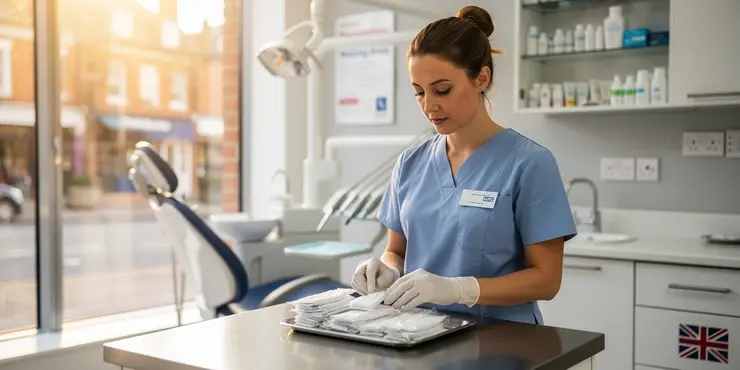
Yes, similar absorbent materials can be used in dental procedures, although dentists usually do not call them “medical tampons.” In dentistry, gauze swabs, cotton rolls, and absorbent pads are more commonly used to keep the mouth dry or control minor bleeding.
These items are helpful after tooth extractions, during minor oral surgery, or when a dentist needs a clear, dry working area. They can also be used to apply gentle pressure to help stop bleeding.
Why are they used in dentistry?
Dental procedures often involve saliva, blood, and small spaces that are hard to work in. Absorbent materials help the dentist see clearly and carry out treatment safely and efficiently.
They are also useful for patient comfort. After treatment, a gauze pad may be placed over the area so the patient can bite down and reduce bleeding.
What should patients expect?
If absorbent materials are used during your appointment, your dentist or dental nurse will usually explain what they are for. In most cases, they are only needed for a short time and are removed before you leave, or given to you to take home briefly after treatment.
It is normal to be asked to bite on gauze after an extraction. This helps form a blood clot, which is an important part of healing.
When should you seek advice?
Some bleeding after dental treatment is normal, but it should gradually slow down. If bleeding continues heavily, or you are worried about pain, swelling, or infection, contact your dentist or NHS 111 for advice.
Do not use any medical product in the mouth unless it has been recommended by a dental professional. If you are unsure what was placed in your mouth during treatment, ask your dentist for clarification.
Frequently Asked Questions
Medical tampons in dental procedures are sterile absorbent materials placed by a dental professional to help control bleeding, absorb fluids, protect tissues, or deliver medication during treatment.
Medical tampons in dental procedures are used to improve visibility, manage moisture, support hemostasis, protect surgical sites, and sometimes hold medicated agents in place.
Medical tampons in dental procedures are typically used during tooth extractions, periodontal surgery, implant placement, endodontic treatment, and other procedures where bleeding or fluid control is needed.
Medical tampons in dental procedures are not always the same as regular cotton rolls or gauze, because they may be specially designed for specific clinical functions such as better absorption, packing, or medication delivery.
The dentist or oral surgeon decides whether medical tampons in dental procedures are needed based on the type of treatment, the amount of bleeding expected, and the condition of the tissues.
Medical tampons in dental procedures help stop bleeding by applying gentle pressure, absorbing blood, and sometimes supporting clot formation at the treatment site.
Medical tampons in dental procedures are generally safe when used by trained professionals, but patient allergies, sensitivities, infection risk, and medical history must be considered.
Yes, some medical tampons in dental procedures can be impregnated with antiseptics, hemostatic agents, or other medications to support healing or reduce bleeding.
The time medical tampons in dental procedures are left in place depends on the procedure and product used; they may be removed after a few minutes or remain briefly under professional guidance.
Medical tampons in dental procedures should not usually cause significant pain when placed correctly, although temporary pressure or mild discomfort can occur, especially in sensitive areas.
Possible complications with medical tampons in dental procedures include tissue irritation, allergic reaction, retained material, delayed healing, or infection if they are not used and removed properly.
Patients should follow their dentist's instructions after medical tampons in dental procedures are placed, because eating, drinking, or rinsing too soon may dislodge the material or affect clotting.
Yes, medical tampons in dental procedures may be used in root canal treatment to absorb fluids, deliver medication, or keep the area isolated during therapy.
Yes, medical tampons in dental procedures are commonly used in oral surgery to control bleeding, protect tissues, and maintain a cleaner surgical field.
Medical tampons in dental procedures are removed by the dental professional using sterile instruments or suction, following the treatment plan and ensuring the area remains stable.
Yes, medical tampons in dental procedures can be used in some gum disease treatments to manage bleeding, support medication placement, or assist with periodontal packing.
Medical tampons in dental procedures are typically professional dental supplies and are not intended for patient self-use without guidance from a dentist.
If medical tampons in dental procedures fall out early, patients should contact their dental office promptly for advice, especially if there is active bleeding or worsening pain.
Yes, medical tampons in dental procedures can trigger allergic reactions in sensitive patients, especially if the material or any added medication contains an allergen.
After medical tampons in dental procedures are used, patients should follow post-procedure instructions, avoid disturbing the site, maintain oral hygiene as directed, and seek help if bleeding, swelling, or pain worsens.

Ergsy Search Results
This website offers general information and is not a substitute for professional advice.
Always seek guidance from qualified professionals.
If you have any medical concerns or need urgent help, contact a healthcare professional or emergency services immediately.
Some of this content was generated with AI assistance. We've done our best to keep it accurate, helpful, and human-friendly.
- Ergsy carefully checks the information in the videos we provide here.
- Videos shown by Youtube after a video has completed, have NOT been reviewed by ERGSY.
- To view, click the arrow in centre of video.
- Most of the videos you find here will have subtitles and/or closed captions available.
- You may need to turn these on, and choose your preferred language.
- Go to the video you'd like to watch.
- If closed captions (CC) are available, settings will be visible on the bottom right of the video player.
- To turn on Captions, click settings.
- To turn off Captions, click settings again.