
Get Answers
Introduction to Meningococcal Disease
Meningococcal disease is a serious bacterial illness that can lead to life-threatening conditions such as meningitis and septicaemia. Meningitis is an inflammation of the membranes surrounding the brain and spinal cord, while septicaemia is blood poisoning caused by bacteria entering the bloodstream. The disease is commonly caused by Neisseria meningitidis, often referred to as meningococcus.
Meningococcal Vaccine Overview
There are several strains of meningococcus, including A, B, C, W, X, and Y. Vaccination is a crucial preventive measure to protect individuals, especially infants and young children, from these potentially deadly strains. Meningococcal vaccines in the UK are designed to protect against multiple strains of the bacteria.
Recommendation for Infants in the UK
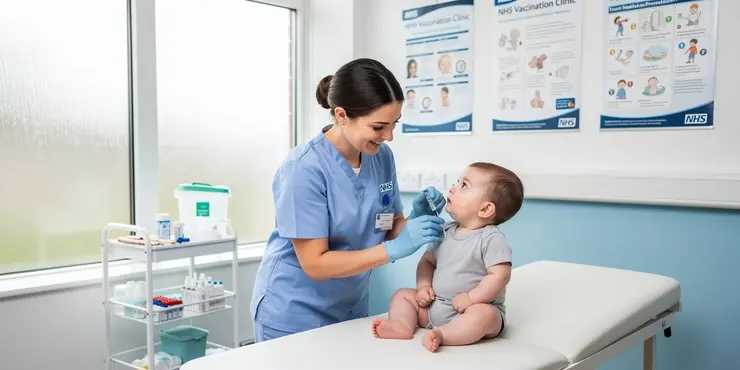
In the UK, one of the key vaccines recommended for infants is the MenB vaccine, which targets the B strain of meningococcus. This is because the MenB strain is the most common cause of meningococcal disease in infants in the UK. The MenB vaccine is offered to all infants as part of the NHS routine immunisation programme.
The MenB vaccine is typically given in three doses. The first dose is administered at 8 weeks of age, the second dose at 16 weeks, and a booster dose at 1 year. This schedule ensures that infants are protected early in life when they are most vulnerable to meningococcal disease.
MenACWY Vaccine and Other Considerations
In addition to the MenB vaccine, there is also the MenACWY vaccine, which protects against four different strains: A, C, W, and Y. However, this vaccine is primarily offered to teenagers and first-year university students in the UK, as these groups are at higher risk of spreading meningococcal disease due to close living conditions.
While the MenACWY vaccine is not routinely offered to infants, parents and guardians should consult with healthcare professionals to discuss any additional vaccinations that might benefit their child based on specific health considerations or travel plans to countries where certain strains are prevalent.
Conclusion and Public Health Implications
Vaccination remains one of the most effective ways to protect against meningococcal disease in infants. By following the recommended immunisation schedule in the UK, parents can safeguard their children against one of the most common causes of bacterial meningitis in infants. Public health initiatives continue to educate the public about the importance of vaccinations and ensuring high uptake rates to prevent outbreaks and protect vulnerable populations.
Introduction to Meningococcal Disease
Meningococcal disease is caused by bacteria and can make you very sick. It can cause meningitis, which means the lining around your brain and spine gets swollen. It can also cause septicaemia, which is when the germs get into your blood and make you very ill. The bacteria that cause this disease is called Neisseria meningitidis, or meningococcus for short.
Meningococcal Vaccine Overview
There are different types, or strains, of the meningococcus bacteria, like A, B, C, W, X, and Y. Getting a vaccine helps protect you from getting sick from these bacteria. In the UK, we have vaccines that protect against several of these germs to keep people safe.
Recommendation for Infants in the UK
In the UK, babies are given a vaccine called the MenB vaccine. This vaccine helps protect against the B strain of the meningococcus bacteria. The B strain is the most common one that makes babies sick in the UK.
Babies get the MenB vaccine in three parts. The first shot is at 8 weeks old, the second at 16 weeks, and a booster shot at 1 year old. This helps protect babies when they are small and more likely to get sick.
MenACWY Vaccine and Other Considerations
There is another vaccine called the MenACWY vaccine. It protects against four different strains: A, C, W, and Y. This vaccine is usually given to teenagers and students starting university in the UK because they live close to other people and can spread the disease more easily.
This MenACWY vaccine is not usually given to babies. Parents should talk to doctors if they want to know more about vaccines, especially if they are traveling or have other health questions for their child.
Conclusion and Public Health Implications
Getting vaccines is one of the best ways to keep babies safe from meningococcal disease. By following the vaccine schedule in the UK, parents can help protect their children from getting sick. It is important for people to know about vaccines and make sure children get them to stop outbreaks and help everyone stay healthy.
Frequently Asked Questions
Infants are generally not given the meningococcal vaccine unless they are at increased risk of meningococcal disease. High-risk groups may include those with certain medical conditions, those traveling to countries with high rates of meningococcal disease, or during outbreaks.
In many countries, the meningococcal vaccine is recommended for preteens and teens, typically around ages 11 to 12, with a booster at age 16. For infants, vaccination is generally considered only for those at higher risk.
The main types of meningococcal vaccines include the MenACWY (conjugate vaccine) and MenB (MenB-FHbp or MenB-4C, based on different strains). The choice of vaccine depends on age and risk factors.
An infant might need the meningococcal vaccine if they have specific medical conditions, like complement component deficiencies, or if they are in an area experiencing a meningococcal outbreak.
Meningococcal disease is a serious illness caused by the bacteria Neisseria meningitidis, leading to infections such as meningitis and bloodstream infections (septicemia). It can be life-threatening if not treated promptly.
Meningococcal disease spreads through the exchange of respiratory and throat secretions, such as saliva, during close or lengthy contact, especially in settings like households or dormitories.
Yes, the meningococcal vaccines are considered safe for infants who require them due to specific health risks or conditions as determined by a healthcare provider.
Common side effects include mild fever, fussiness, and redness or swelling at the injection site. Serious side effects are rare.
For most infants, the meningococcal vaccine is not routinely required unless they are at specific risk. Parents should discuss any concerns with their pediatrician.
Conditions include immune system disorders, asplenia (lack of a spleen), or living in areas where meningococcal disease is common or during an outbreak.
The meningococcal vaccine is effective at providing protection against the specific strains of meningococcus it targets, significantly reducing the risk of infection in those at risk.
No, the vaccine covers the major meningococcal groups responsible for most diseases, such as A, C, W, Y, and B, but not all serogroups.
Yes, a healthcare provider would usually need to assess and recommend the vaccine based on the infant's health status and risk factors.
Yes, the meningococcal vaccine can often be given alongside other vaccines, but it depends on the specific vaccine schedule and should be confirmed with a healthcare provider.
Infants at risk may require a series of doses, with the schedule varying based on the type of meningococcal vaccine and specific health guidelines.
Infants who have had a severe allergic reaction to a previous dose or to any component of the vaccine should not receive it. Always consult a healthcare provider for individual assessment.
It is not typically part of the routine series for infants unless there is a specific health risk or exposure concern.
Symptoms may include sudden fever, headache, stiff neck, nausea, vomiting, increased sensitivity to light, and altered mental status. Immediate medical attention is crucial.
Yes, infants traveling to areas with a high incidence of meningococcal disease may be recommended to receive the vaccine. Consulting with a healthcare provider is essential.
Parents should speak with their child's healthcare provider and can also refer to resources from public health institutions like the CDC or WHO for guidelines and recommendations.
Babies usually don’t get the meningococcal vaccine. But if they are at risk of getting sick, they might need it. Some reasons why they might be at risk include having certain health problems, going to places where many people get this disease, or if there is an outbreak.
If you find it hard to understand or read, you can try:
- Reading with a friend or family member.
- Using a reading app to help out with tricky words.
- Asking a teacher or helper to explain things you don’t understand.
In many places, kids between 11 and 12 years old should get the meningococcal vaccine. They will need another shot when they turn 16. Babies do not usually need this vaccine unless they are more likely to get sick.
The main types of vaccines for meningococcal disease are MenACWY and MenB. MenACWY is a conjugate vaccine, and MenB can be either MenB-FHbp or MenB-4C. The type of vaccine you get depends on how old you are and if you have any risk factors.
Here is some help if you need it:
- Ask a doctor which vaccine is best for you.
- Look at pictures of the vaccine bottles to see how they are different.
- Use a calendar to keep track of when you need your vaccine.
A baby might need the meningococcal vaccine if they have certain health problems or if they are in a place where there is a lot of meningococcal disease.
Meningococcal disease is a very serious sickness. It is caused by a bacteria called Neisseria meningitidis. This sickness can cause meningitis, which affects the brain, and infections in the blood. It can be very dangerous if not treated quickly.
Meningococcal disease is a sickness that can spread when people share things like spit. This can happen if you spend a lot of time with someone, like at home or in a place where many people live together, like a dormitory.
Yes, the meningococcal vaccines are safe for babies. Doctors give these vaccines to babies who need them because of health reasons.
You might have a mild fever, feel a bit fussy, or see some redness or swelling where you got the shot. Serious problems are very rare.
Most babies do not need the meningococcal shot unless they are at special risk. Parents should talk to their child's doctor if they have any worries.
Some conditions make it easier to get sick. These include problems with your body's defense system, not having a spleen (an organ in your body), or living in places where a certain sickness called meningococcal disease is common or when there is a lot of it around.
The meningococcal vaccine helps keep you safe from certain germs that can make you very sick. It works well at stopping these germs from causing an infection, especially for people who might get sick easily.
The vaccine helps protect against the main germs that cause meningitis. These germs are called A, C, W, Y, and B. But the vaccine does not cover all types of these germs.
Yes, a doctor or nurse needs to check the baby's health and decide if they should get the vaccine. They think about how healthy the baby is and what might make them sick.
Yes, you can usually get the meningococcal vaccine with other vaccines. But it's important to check with your doctor to make sure it's okay.
Babies who might get sick need different shots. The number of shots depends on the type of vaccine they need and health rules.
Babies who had a big allergic reaction to a shot before should not get it again. If the baby is allergic to anything in the shot, they shouldn't have it either. Always talk to a doctor to get advice for each person.
This is not usually a regular shot for babies unless there is a health problem or they might get sick.
If you are worried, talk to your doctor. They can help you understand what is best for you and your baby.
You might feel sick with a fever, a headache, a stiff neck, feeling sick to your stomach, throwing up, not liking bright lights, or feeling confused. You should see a doctor right away.
If you are taking a baby to a place where lots of people get a sickness called meningococcal disease, the baby might need a shot to protect them. It's important to talk to a doctor about this.
Parents should talk to their child's doctor. They can also look at information from places like the CDC or WHO. These places give helpful advice and rules.

Ergsy Search Results
This website offers general information and is not a substitute for professional advice.
Always seek guidance from qualified professionals.
If you have any medical concerns or need urgent help, contact a healthcare professional or emergency services immediately.
Some of this content was generated with AI assistance. We've done our best to keep it accurate, helpful, and human-friendly.
- Ergsy carefully checks the information in the videos we provide here.
- Videos shown by Youtube after a video has completed, have NOT been reviewed by ERGSY.
- To view, click the arrow in centre of video.
- Most of the videos you find here will have subtitles and/or closed captions available.
- You may need to turn these on, and choose your preferred language.
- Go to the video you'd like to watch.
- If closed captions (CC) are available, settings will be visible on the bottom right of the video player.
- To turn on Captions, click settings.
- To turn off Captions, click settings again.