
Speak To An Expert
Get clear, personalised advice for your situation.
Jot down a few questions to make the most of your conversation.
Introduction
In the United Kingdom, care homes are tasked with providing a safe and supportive environment for their residents, many of whom are elderly or have specific health needs. One key aspect of creating a nurturing atmosphere is the provision of diverse activities that cater to the physical, emotional, and cognitive well-being of residents. Understanding the types of activities offered and their benefits is crucial for families considering care home options for their loved ones.
Types of Activities Offered
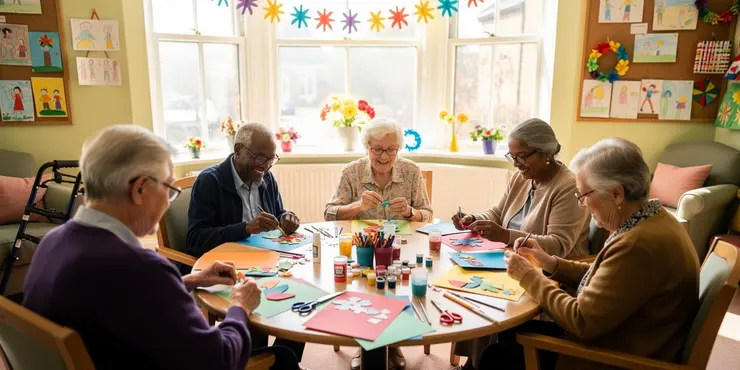
Activities in UK care homes vary widely, aimed at stimulating residents both physically and mentally. Commonly provided activities include arts and crafts, which help residents express creativity and maintain fine motor skills. Music sessions are also popular, offering opportunities for reminiscence and improving mood through familiar tunes. Exercise classes, tailored to different mobility levels, help maintain physical health and encourage social interaction.
Additionally, care homes often organize group games such as bingo or quizzes, encouraging cognitive engagement and fostering a sense of community. For residents with dementia, specialized activities such as memory boxes or sensory experiences are designed to evoke positive memories and feelings. Many care homes also incorporate technology, using digital tools like tablets to offer interactive and personalized engagement options.
Benefits of Activities for Residents
Participating in activities offers numerous advantages for care home residents. Regular engagement can significantly enhance residents' quality of life by reducing feelings of loneliness and isolation. Social activities provide opportunities for interaction, building friendships, and enhancing overall mental wellbeing. Physical activities, even light exercises, can help maintain physical health, improving balance, mobility, and reducing the risk of falls.
Cognitively engaging activities are essential in slowing cognitive decline, particularly for those with dementia. Brain games, puzzles, and other mentally stimulating activities can help preserve memory and problem-solving skills. Creative activities, such as art or music, enable emotional expression and can reduce symptoms of depression and anxiety.
How Activities are Adapted to Individual Needs
Care homes in the UK strive to offer person-centred activities, tailoring them to the interests and abilities of each resident. By assessing individual preferences and limitations, care staff can modify activities to be inclusive and accessible to all. This personalization ensures that residents remain engaged and interested, fostering a sense of purpose and accomplishment.
Moreover, activities are often designed to incorporate elements of residents' past hobbies or professions. This not only helps bridge the gap between past and present but also validates personal identities and experiences, further enriching the care home experience.
Conclusion
The provision of activities in UK care homes is an essential component of resident care. By offering a variety of engaging options, care homes enhance the physical, cognitive, and emotional well-being of their residents. Ensuring activities are inclusive and personalized allows residents to lead fulfilling and enjoyable lives, making the care home a vibrant and supportive community.
Introduction
In the United Kingdom, care homes are places where people can live safely and feel supported. Many people living in care homes are older or need extra help with their health. Care homes offer different activities to help people stay active and happy. This is important for families who are thinking about the best care home for their loved ones.
Types of Activities Offered
Care homes in the UK have many activities that are fun and help people feel good. Some activities include arts and crafts, where people can be creative and use their hands. Music sessions are common and can make people feel happy when they listen to well-known songs. Exercise classes are also offered, and they are designed for people with different levels of movement to stay healthy and enjoy being with others.
Care homes have group games like bingo or quizzes, which help people think and make friends. For people with memory problems like dementia, special activities like memory boxes can bring back happy memories. Some care homes use technology like tablets to make activities more fun and interactive.
Benefits of Activities for Residents
Doing activities in care homes has many good effects. Taking part in activities can help people feel less alone and more connected. Social activities help people make friends and feel happier. Physical activities, like light exercises, help people stay fit and improve balance, which can prevent falls.
Activities that make the brain work, like puzzles and brain games, help keep the mind sharp and are especially good for those with memory issues. Creative activities like drawing or playing music can help people express their feelings and feel less sad or worried.
How Activities are Adapted to Individual Needs
Care homes in the UK try to make activities that fit each person's likes and abilities. Staff members find out what each person enjoys and can do, so they can change activities to make sure everyone can join in. This helps people feel good about themselves and enjoy taking part.
Activities can also include things that people liked to do before or jobs they used to have. This helps people remember happy times and makes care home life more enjoyable.
Conclusion
Activities in UK care homes are important for making sure people are well cared for. With lots of fun and interesting activities, care homes help people stay healthy, think clearly, and feel good. By making activities that everyone can enjoy, care homes become happy and welcoming places to live.
Frequently Asked Questions
Care homes provide a variety of activities including games, exercise classes, arts and crafts, music and dance sessions, gardening, and social events.
Yes, many care homes tailor activities to the interests and abilities of their residents to ensure everyone can participate and enjoy.
Most care homes have daily or weekly schedules for activities, ensuring residents have regular opportunities to engage.
Yes, many care homes offer outdoor activities such as gardening, walking groups, or outings to local parks when weather permits.
Many care homes welcome family members to join in activities, allowing for shared experiences and increased family engagement.
Residents often can suggest new activities, and care homes may adapt their programs based on residents’ feedback.
Care homes often provide specialized activities for residents with specific needs, such as those with dementia, to ensure inclusivity.
Yes, most care homes provide an activity calendar so residents and their families can see what is scheduled.
Some care homes include activities in their fees, while others might charge extra for special events or outings.
Many care homes offer culturally specific activities to cater to the diverse backgrounds of their residents.
Activities are often chosen based on the interests, abilities, and demographics of the residents, with input from both staff and residents.
Some care homes hire professional instructors for certain activities like fitness or art classes to ensure quality and safety.
Participation in activities is typically voluntary, and residents can choose which activities they wish to join.
Many care homes have recreational facilities like game rooms, gardens, and lounges to support various activities.
Staff often encourage participation through personalized invitations, reminders, and by creating a welcoming environment.
Yes, some care homes use technology like tablets or computers for activities such as virtual tours or online games.
Yes, care homes often provide one-on-one activities for residents who prefer or require more personalized engagement.
Volunteers often help organize and run activities, providing additional support and interaction for residents.
Some care homes offer evening activities such as movie nights or relaxation sessions to accommodate different sleep patterns.
Care homes provide accessible activities that are adaptable for residents with mobility issues, ensuring full participation is possible.
Care homes have lots of fun things to do. You can play games, join exercise classes, do arts and crafts, listen to music, dance, garden, and hang out with friends at social events.
Yes, lots of care homes have activities that match what people like and can do. This way, everyone can join in and have fun.
Most care homes have plans for what people can do each day or week. This helps everyone join in fun activities often.
Yes, lots of care homes have outdoor activities. People can do gardening, join walking groups, or go to nearby parks. They do this when the weather is nice.
Many care homes let family members join in on activities. This helps everyone have fun together and feel closer.
People living in care homes can often share their ideas for fun things to do. Care homes might change what they are doing to include these new ideas.
Care homes plan special activities for people who live there. These activities are for people with different needs, like those with memory problems, so everyone can join in and have fun.
Yes, many care homes have a list of fun things to do. This list shows what activities are planned for residents and their families to enjoy.
Some care homes have fun activities that are already paid for. Other care homes might ask for more money if you want to go to special events or trips.
Many care homes have special activities for people from different cultures. This helps everyone feel happy and included.
We pick activities by asking what people like to do and what they can do well. We also think about who lives there, like their age or background. The staff and people who live there help decide.
Some care homes have teachers come in to do special activities. They might have fitness classes or art classes. This helps make sure everyone has fun and stays safe.
Joining in activities is usually up to you, and you can pick which ones you want to do.
Lots of care homes have fun places like game rooms, gardens, and lounges. These places help people do different activities.
Staff often ask people to join in. They send special invites and reminders. They make the place friendly and nice too.
Yes, some care homes use things like tablets and computers. They use them for fun activities like online tours or games.
Yes, care homes often have special activities just for one person. This is for people who like or need to do things on their own with help.
Volunteers are people who help out. They often help plan and run activities. They give extra support and talk with the people who live there.
Here are some tools that can help with reading:
- Use pictures to help understand.
- Listen to audio books.
- Use apps that read text out loud.
- Ask someone to read along with you.
Some care homes have fun things to do in the evening. They might have movie nights, where you can watch films. They also might have relaxation sessions to help you calm down and feel good. These activities help because not everyone goes to sleep at the same time.
Care homes have activities that everyone can join in. They make sure these activities are easy for people who find moving around hard, so everyone can have fun together.

Ergsy Search Results
This website offers general information and is not a substitute for professional advice.
Always seek guidance from qualified professionals.
If you have any medical concerns or need urgent help, contact a healthcare professional or emergency services immediately.
Some of this content was generated with AI assistance. We've done our best to keep it accurate, helpful, and human-friendly.
- Ergsy carefully checks the information in the videos we provide here.
- Videos shown by Youtube after a video has completed, have NOT been reviewed by ERGSY.
- To view, click the arrow in centre of video.
- Most of the videos you find here will have subtitles and/or closed captions available.
- You may need to turn these on, and choose your preferred language.
- Go to the video you'd like to watch.
- If closed captions (CC) are available, settings will be visible on the bottom right of the video player.
- To turn on Captions, click settings.
- To turn off Captions, click settings again.